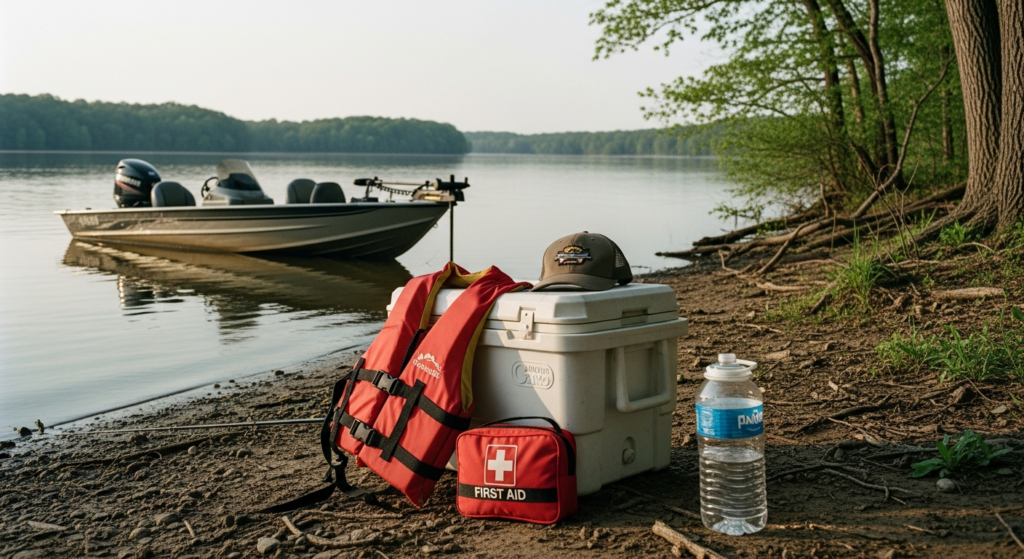
As summer fishing activity continues across Newberry County’s waterways, a recent safety guide underscores the importance of vigilance against environmental hazards, particularly intense sun exposure, dehydration, and heat-related illnesses. The recommendations, which apply to recreational anglers on Lake Murray, Parr Reservoir, Lake Monticello, and the Saluda, Bush, Enoree, and Broad Rivers, emphasize proactive measures to ensure a safe experience on the water.
One of the primary concerns for those spending extended periods outdoors is the sun’s powerful ultraviolet (UV) radiation. The guide specifically warns that the sun’s rays are strongest between 10 AM and 4 PM, a period when many anglers are actively fishing. Compounding this risk, water surfaces can reflect up to 15% of UV radiation back at a person, significantly increasing overall exposure and the potential for sunburn and long-term skin damage. To counteract this, the guide strongly recommends using a broad-spectrum sunscreen with an SPF (Sun Protection Factor) of at least 30. For individuals anticipating extended exposure to water, an SPF of 50+ is advised. Proper application is crucial: sunscreen should be applied 30 minutes before heading outdoors and reapplied every two hours. This frequency should be increased if an individual is sweating heavily or frequently getting splashed, as water and perspiration can diminish the sunscreen’s effectiveness.
Beyond topical protection, appropriate clothing plays a vital role in sun safety. The guide advises wearing lightweight, long-sleeved shirts and pants made from UPF-rated (Ultraviolet Protection Factor) fabrics. These materials are designed to block a significant amount of UV radiation from reaching the skin. A wide-brimmed hat, offering at least four inches of coverage all around, is also recommended to protect the face, ears, and neck. Eye protection is equally important, with polarized sunglasses offering 100% UV protection being a key recommendation to shield eyes from both direct and reflected sunlight, which can cause eye strain and damage over time.
Maintaining proper hydration is another critical component of summer safety, especially in the warm Newberry climate. The guide outlines early signs of dehydration, which include thirst, a dry mouth, decreased urination, and general fatigue. If these symptoms are ignored, dehydration can progress to more severe stages, manifesting as dizziness, a rapid heartbeat, and confusion. Anglers are advised to drink water regularly, even if they do not feel thirsty, as thirst can be an indicator that dehydration has already begun. For those venturing out on boats, the Coast Guard recommends carrying at least one gallon of water per person per day for emergency situations, underscoring the substantial need for hydration when far from shore.
Heat-related illnesses pose a serious threat during the summer months. The guide differentiates between heat exhaustion and the more severe heat stroke. Symptoms of heat exhaustion include heavy sweating, general weakness, nausea, headache, and muscle cramps. If these symptoms appear, individuals should move to a cooler environment, rest, and rehydrate. Heat stroke, however, is a medical emergency characterized by a high body temperature, specifically above 103°F, an altered mental state (such as confusion, irritability, or delirium), hot and dry skin (though sweating may still be present), a rapid pulse, and potentially unconsciousness. Immediate medical attention is crucial for anyone exhibiting symptoms of heat stroke.
For those engaging in boat fishing, additional safety precautions are essential. The guide recommends filing a float plan, which details the boat’s itinerary, including departure and return times, the number of people on board, and emergency contact information. This plan should be left with a trusted person on shore who can alert authorities if the boat does not return as scheduled. Carrying a VHF radio is also advised for reliable communication, particularly in areas where cell phone service may be unreliable or non-existent. Furthermore, beyond water, boaters should ensure they have extra emergency supplies on board, such as a first-aid kit, signaling devices, and extra fuel, to be prepared for unforeseen circumstances on Newberry’s expansive waterways.
Why it matters in Newberry
Newberry County, with its access to significant waterways like Lake Murray and the Saluda River, sees considerable recreational fishing activity throughout the summer. The safety guidelines are particularly relevant for residents and visitors who frequent these areas, as well as for organizations like the Newberry County Recreation Complex, which often hosts outdoor activities. Adhering to these precautions can directly reduce the strain on local emergency services, including Newberry County Memorial Hospital, by preventing avoidable heat-related emergencies and boating incidents. Promoting safe practices ensures that the community can continue to enjoy Newberry’s natural assets responsibly, safeguarding both individual well-being and public resources during the busiest outdoor season. The recommendations serve as a vital reminder for anyone planning to spend time on the water in the Newberry area this summer.