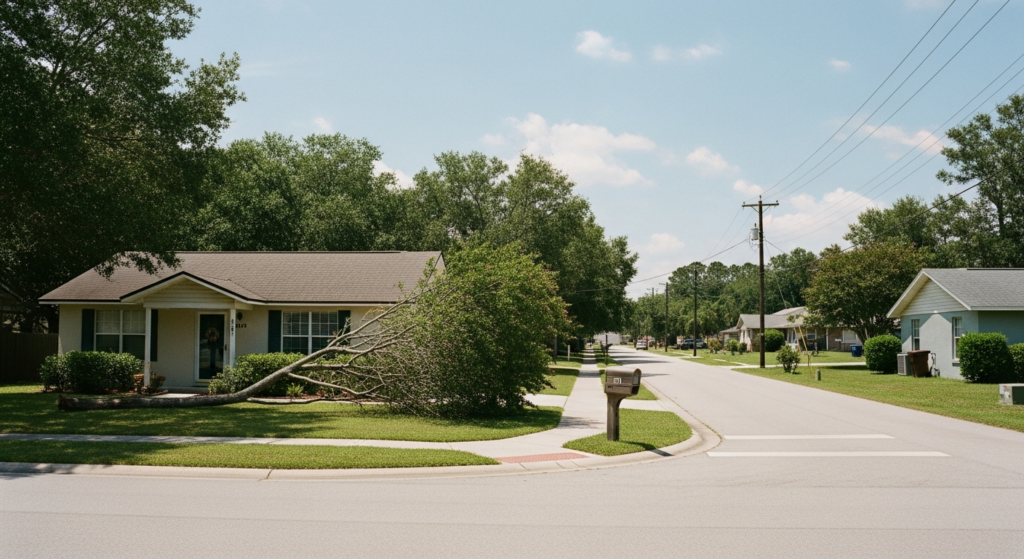
Newberry residents are encouraged to review a comprehensive storm safety guide designed to help homeowners prepare for, navigate, and recover from various severe weather events. The guide underscores the reality that natural disasters can strike with minimal warning, emphasizing the importance of proactive measures to protect property and ensure personal safety.
The resource covers a spectrum of potential threats, from the high winds and heavy rains associated with hurricanes and tornadoes, which are a concern during the summer storm season, to the less frequent but equally disruptive impacts of wildfires, floods, and ice storms. Its detailed recommendations aim to mitigate damage and streamline recovery efforts for properties across Newberry and the wider Midlands region.
Before a storm is imminent, the guide outlines a critical checklist for homeowners. This includes a thorough inspection of the roof for any missing or damaged shingles, which can be vulnerable points for water intrusion. Sealing gaps around windows, doors, and siding is also advised to prevent water leaks and reduce the risk of structural compromise from wind-driven rain. Maintaining clear and secure gutters and downspouts is essential to direct water away from the foundation, a common cause of basement flooding. Proactive landscaping, such as trimming tree branches that overhang the home, can prevent significant damage from falling limbs during high winds. Securing outdoor furniture and grills, installing or testing storm shutters, and moving vehicles into a garage or other sheltered location are further steps to protect assets. Finally, the guide recommends reviewing insurance coverage and documenting the home’s current condition with photographs, which can be invaluable for claims after an event.
An essential component of any preparedness plan is a well-stocked emergency kit. The guide specifies key items, starting with bottled water—at least one gallon per person per day for a minimum of three days. Non-perishable food items, along with a manual can opener, are crucial for sustenance during power outages. Illumination is addressed with recommendations for flashlights, ample batteries, and headlamps. A comprehensive first-aid kit and a supply of prescription medications are vital for health needs. Communication and information access are covered by advising a battery-powered or hand-crank weather radio, cell phone chargers, and portable power banks. Important documents, such as identification, insurance policies, and financial records, should be stored in waterproof bags. Carrying cash in small bills is also suggested, as electronic payment systems may be inoperable. Lastly, blankets, extra clothing, sturdy shoes, and hygiene supplies complete the recommended kit, ensuring basic comfort and sanitation.
For specific threats like flooding and heavy rain, the guide offers targeted advice. Installing and regularly maintaining a sump pump is a primary recommendation for homes with basements or crawl spaces. Improving the grading of the surrounding soil so it slopes away from the foundation can significantly reduce water accumulation. Extending downspouts several feet from the home’s perimeter helps divert rainwater effectively. Sealing foundation and basement openings, along with keeping gutters and drains clear of debris, are critical preventative measures. For properties in flood-prone areas, elevating utilities and valuables can protect them from water damage.
While Newberry experiences warm summers, the guide also provides crucial advice for winter weather, acknowledging that severe cold and ice can present unique challenges. Insulating exposed pipes is paramount to prevent freezing and bursting, which can cause extensive water damage. Disconnecting and draining outdoor hoses before freezing temperatures arrive is another preventative step. Clearing gutters and downspouts is important not only for rain but also to prevent the formation of ice dams, which can force meltwater under roofing shingles. Keeping flashlights, batteries, blankets, and backup heat sources available is essential during winter power outages. The guide strictly warns against operating a generator indoors due to carbon monoxide risks. Finally, safely clearing snow from walkways, driveways, and especially from heating and dryer vents, is advised to prevent hazards and maintain proper appliance function.
After a storm has passed and immediate hazards have subsided, the guide instructs homeowners on the damage assessment process. It advises waiting until authorities declare an area safe before beginning inspections. A systematic check should include the roof, gutters, siding, windows, HVAC units, solar panels, doors, ceilings, and attic. Documenting all damage meticulously with photos and detailed notes is critical for insurance claims. Making temporary repairs, such as covering damaged areas with tarps or boarding up broken windows, can prevent further damage while awaiting professional assistance.
In the event of a power outage during the hot summer months, the guide provides a specific threshold for safety. If the indoor air temperature exceeds 95 degrees Fahrenheit, it is time to seek a cooler environment. This could include public places such as libraries, movie theaters, stores, or designated community cooling stations, which may be activated by local authorities during widespread outages.
Why it matters in Newberry
Newberry, situated in the Midlands region, is susceptible to a range of severe weather events, from summer thunderstorms and tropical storm remnants to occasional winter ice. Proactive storm preparedness is not merely a suggestion but a critical component of community resilience. For institutions like Newberry County Memorial Hospital, ensuring staff and facilities are prepared means they can continue to provide essential services during and after a storm, reducing strain on emergency resources. Similarly, the School District of Newberry County relies on homeowners being prepared to minimize disruptions to families and ensure a smoother return to normalcy for students. When individual homes are resilient, it strengthens the entire fabric of Newberry, allowing for faster recovery and less widespread impact on local infrastructure and services, including those provided by the City of Newberry and Newberry College. This guide offers tangible steps that can collectively safeguard the community’s well-being and economic stability.