Medical facilities across the Midlands region have observed a notable uptick in emergency department visits and hospital admissions linked to heat-related illnesses, a trend consistent with periods of sustained high temperatures. These conditions, ranging from heat cramps and heat rash to more severe heat exhaustion and heat stroke, pose significant health risks, particularly during the summer months in Newberry.
Studies consistently show a direct correlation between hot and humid weather and an increase in cases of dehydration, electrolyte imbalances, and other heat-induced ailments. The human body’s core temperature, typically around 98.6 °F (37 °C), can escalate to dangerous levels, such as 103° to 104 °F (39.4° to 40 °C), in instances of heat stroke. Such severe overheating can lead to critical health complications if not addressed promptly.
Certain populations are identified as being at particularly high risk. This includes the very young, whose thermoregulatory systems are still developing, and the very old, who may have underlying health conditions or reduced ability to sense and respond to heat. Additionally, individuals engaged in prolonged exertional outdoor work, such as those in manufacturing roles at facilities like Kraft Heinz or Samsung Electronics America in Newberry, or agricultural workers in the surrounding Newberry County, face elevated risks. Intense athletes, including those training at Newberry College or participating in recreational activities at Lynch’s Woods Park, must also exercise extreme caution.
Symptoms of heat-related illness can vary in severity. Dehydration, a common precursor, may manifest as thirst, dizziness, and fatigue. A simple indicator of dehydration is urine output that is less frequent and darker than normal; healthy urine is typically light yellow and produced in regular amounts. As conditions worsen, heat exhaustion can set in, characterized by heavy sweating, weakness, cold, pale, and clammy skin, a fast, weak pulse, nausea or vomiting, and muscle cramps.
Heat stroke represents the most severe form of heat-related illness and constitutes a medical emergency. Its symptoms can include hot or flushed skin (which may or may not be sweating), a fast heart rate, a throbbing headache, nausea, dizziness, confusion, and even loss of consciousness. In such cases, immediate medical attention is critical. When assessing for overheating, medical professionals recommend rectal temperature measurement due to the potential inaccuracy of oral, axillary, and tympanic readings in these situations.
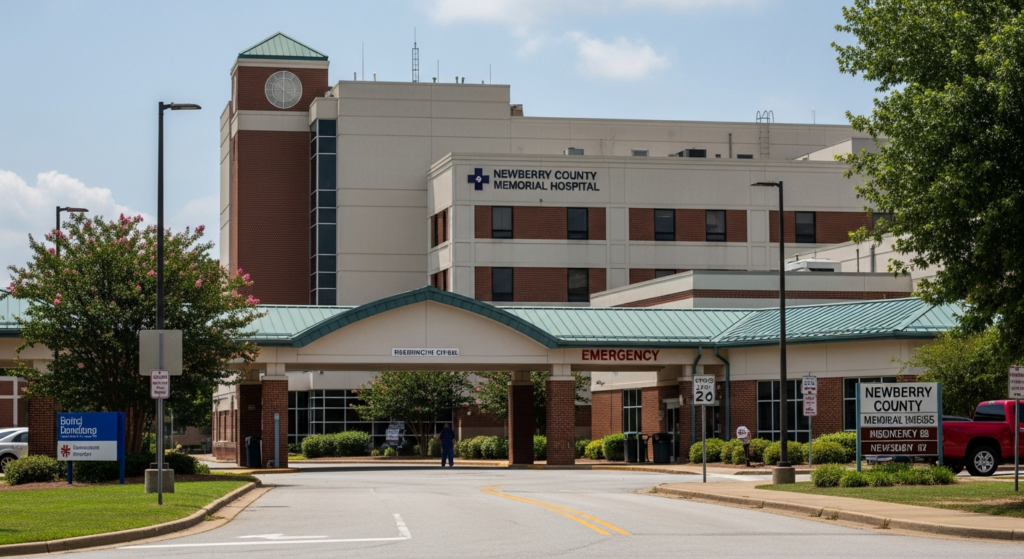
Local health officials and emergency services in Newberry County are prepared for increased demand during peak heat periods. Newberry County Memorial Hospital serves as a primary point of care for residents experiencing severe heat-related symptoms. Public safety agencies, including the Newberry Police Department under Chief Kevin R. Goodman and the Newberry County Sheriff’s Office led by Sheriff Lee Foster, are also vigilant, often responding to calls for assistance related to heat exposure.
Employers across Newberry, particularly those with outdoor workforces or facilities with high ambient temperatures, are often advised to implement protocols to protect their employees. This can include providing access to cool hydration, scheduling breaks in shaded or air-conditioned areas, and monitoring workers for signs of heat stress. Similarly, the School District of Newberry County considers heat safety in its planning for summer programs and athletic activities, especially for younger students who may not recognize the dangers of overheating.
Understanding the progression of heat-related symptoms and knowing when to seek medical help are crucial for mitigating severe outcomes. While mild symptoms like heat cramps can often be managed by moving to a cooler environment and rehydrating, the more serious indicators of heat exhaustion and heat stroke necessitate professional medical intervention.
Why it matters in Newberry
The prevalence of heat-related illnesses directly impacts the operational capacity and emergency response demands on Newberry County Memorial Hospital. As the primary healthcare provider for many in the region, the hospital experiences increased patient loads during sustained periods of high summer temperatures. This surge can strain resources, affecting wait times and the availability of specialized care for all Newberry residents. Furthermore, the health and productivity of the workforce at major employers like Kraft Heinz and Samsung Electronics America, as well as the well-being of students and athletes at Newberry College and within the School District of Newberry County, are directly tied to effective heat safety measures. Ensuring public awareness and preparedness is vital for maintaining community health and the efficient functioning of essential services in Newberry.