

How to Effectively Choose the Right Roof Design for Sustainability and Aesthetics
Selecting the appropriate roof design goes beyond mere structural considerations. It encompasses sustainability and aesthetic appeal. The roof of a building plays a significant role in energy efficiency, weather resistance, and visual harmony within the environment. This article outlines key factors to consider when making this vital decision.
Understanding Sustainability in Roof Design
Energy Efficiency
Energy-efficient roofs can significantly reduce energy consumption. Solar reflective materials, commonly used in modern roofing, help to keep buildings cooler. This can result in a reduced need for air conditioning, lowering energy bills. Cool roofs deflect sunlight and absorb less heat. They are characterized by lighter colors and reflective surfaces. When evaluating energy efficiency, consider the following:
- Insulation: Proper insulation prevents heat loss in winter and minimizes heat gain in summer.
- Ventilation: Adequate roof ventilation allows for temperature regulation, prolonging the roof’s lifespan.
- Material Choices: Opt for materials manufactured to be environmentally friendly, such as recycled metals or sustainably sourced wood.
Water Management
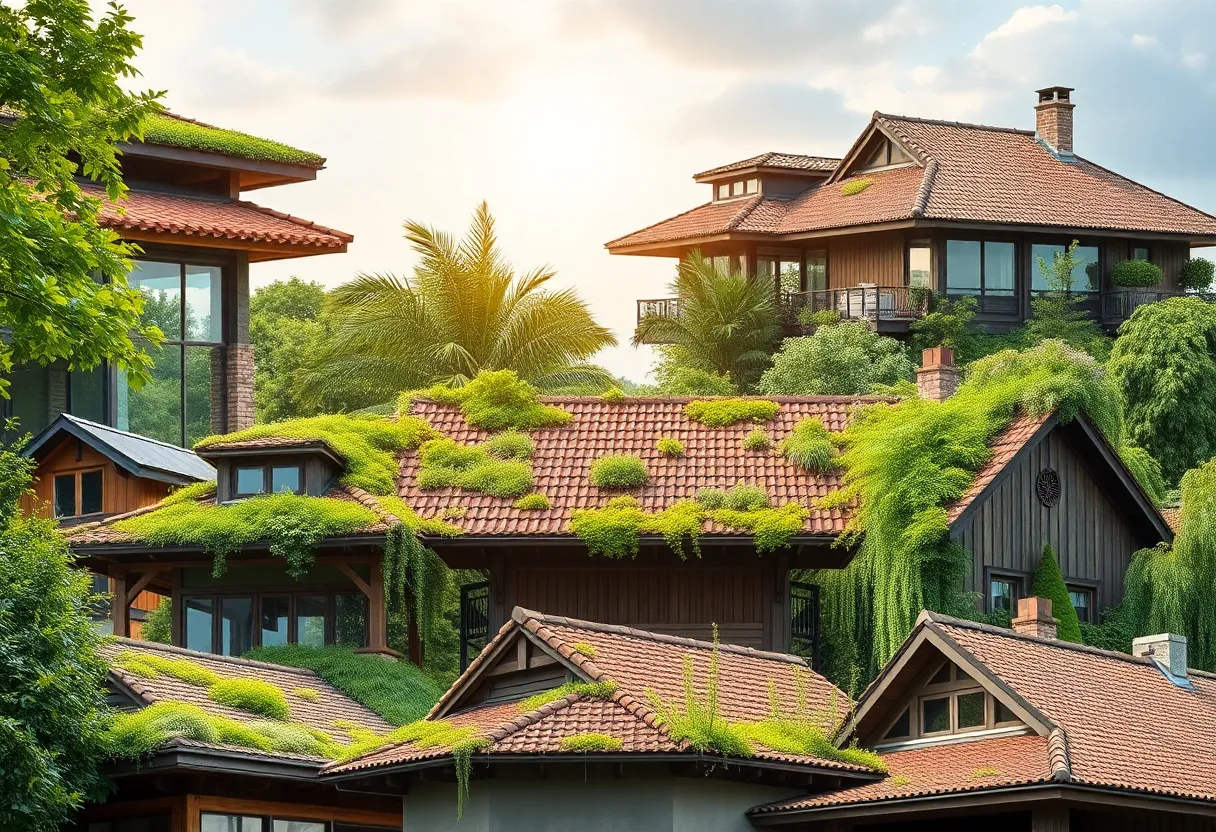
A roof’s ability to manage water runoff is crucial for sustainability. Sustainable roofs should minimize water wastage through effective systems. Consider green roofs, which utilize vegetation to absorb and manage rainwater. This not only reduces runoff but also improves air quality. Key water management techniques include:
- Sloped Roofs: Encourage efficient water drainage.
- Rainwater Harvesting Systems: Capture runoff for reuse, promoting resource conservation.
Lifecycle Impact
Evaluating the entire lifecycle of roofing materials is fundamental. Consider the embodied energy in production, potential for recycling or repurposing, and how long the material will last. Sustainable roofing options include:
- Metal Roofs: Long-lasting and recyclable.
- Slate Tiles: Durable and typically require less maintenance.
Balancing Aesthetics with Practicality
Architectural Harmony
The roof design should complement the building’s overall architecture. Consider the following aesthetic factors:
- Color Schemes: Choose colors that blend well with the surrounding structures.
- Material Texture: The texture can significantly influence the visual appeal of the roof.
- Style Compatibility: Ensure the roof style correlates with architectural details, such as gables or dormers.
Local Climate Considerations
The local climate should inform the roof design selection. Different materials perform better in certain conditions. For example:
- Hot Climates: Light-colored, reflective materials are preferred.
- Cold Climates: Steeper slopes may prevent snow accumulation.
- Humid Areas: Better drainage and ventilation systems are essential to prevent mold.
Material Selection for Sustainability and Aesthetics
Eco-Friendly Roofing Materials
Choosing eco-friendly materials contributes to sustainability while offering aesthetic appeal. Options include:
- Recycled Materials: Roofing tiles made from recycled rubber or plastics.
- Wood Shakes: Sourced from sustainable forests and provide a classic look.
- Green Roofs: Incorporating plant life can enhance visuals while promoting insulation.
Traditional vs. Modern Materials
Both traditional and modern materials have unique benefits. Consider the following:
- Traditional Materials: Slate and clay tiles offer timeless aesthetics but may have a higher environmental footprint.
- Modern Innovations: Composite roofing can mimic traditional materials while offering durability and better energy efficiency.
The Role of Technology in Roof Design
Smart Design Tools
Utilizing technology in roof design can yield significant benefits. Software and applications can assist with:
- 3D Modeling: Visualizing various designs helps in decision-making.
- Energy Simulations: Assesses the energy efficiency of different roofing options.
Integrating Renewable Energy Solutions
Incorporating solar panels into the roof design not only promotes sustainability but also can enhance the building’s aesthetics. Solar shingles offer similar aesthetic qualities to traditional roofing materials while providing renewable energy solutions. Additionally, roof gardens can incorporate photovoltaic panels without compromising aesthetics.
Practical Considerations in Roof Design Selection
Building Codes and Regulations
Before finalizing specifics, it’s crucial to consult local building codes and zoning laws. These regulations can dictate roof types, heights, and more. Compliance is key to avoiding future legal issues.
Budget Constraints
Every roofing project must operate within a budget. Balancing costs with design and material choices is crucial. Consider not only the upfront costs but also the long-term savings associated with energy-efficient designs.
Engagement with Professionals
Consult a Roofing Expert
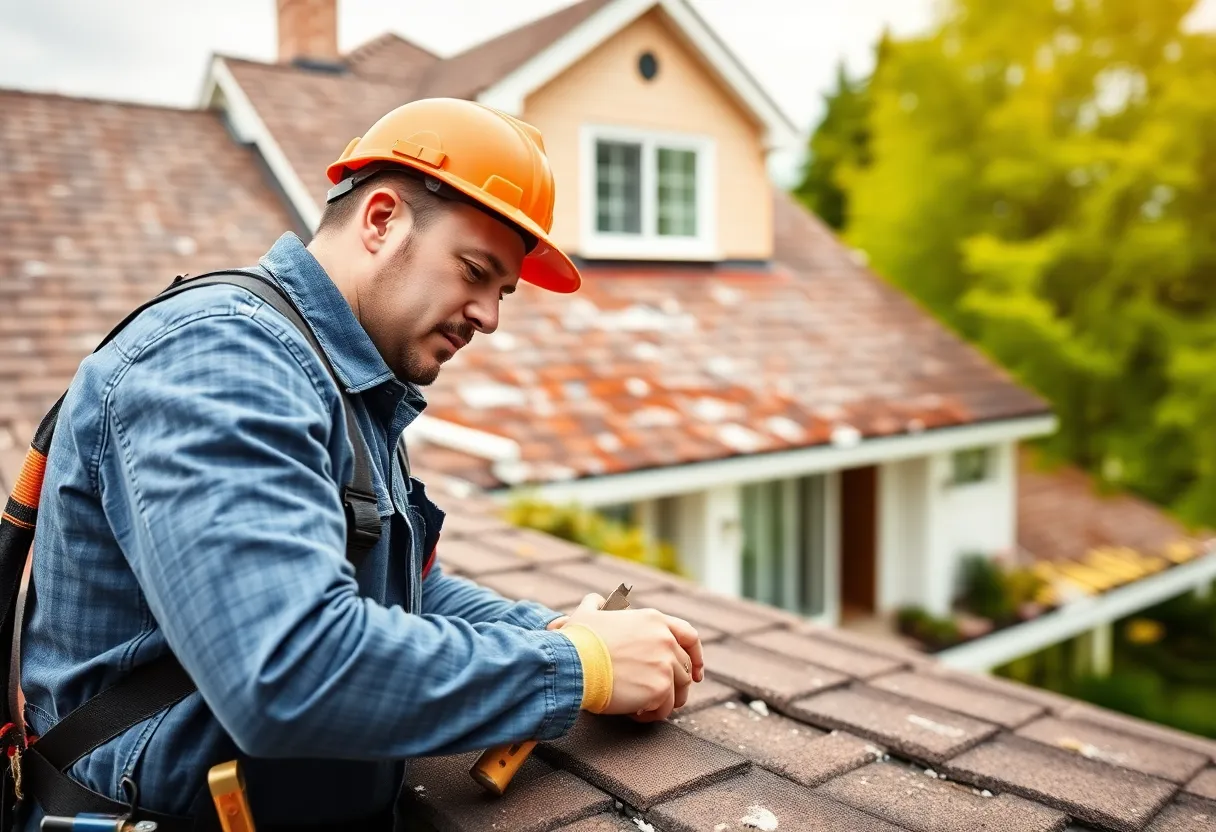
Engaging with experienced roofing professionals is essential. They can provide insights into the best materials, designs, and techniques suited for your specific needs. Ensure the consultant understands both sustainability principles and aesthetic preferences.
Community Input
Consider the views of the local community, especially if working on a larger scale project. Engaging community members can provide valuable insights on aesthetic harmony and local preferences.
Conclusion
Choosing the right roof design encompasses a blend of sustainable practices and aesthetic considerations. Focus on energy efficiency, material longevity, and integration with local climates. Engage with professionals and gather community input to ensure that your choice meets both aesthetic desires and sustainability goals. The right roof not only protects a building but also enhances it, promoting a harmonious blend of form and function.

 Mays Contracting