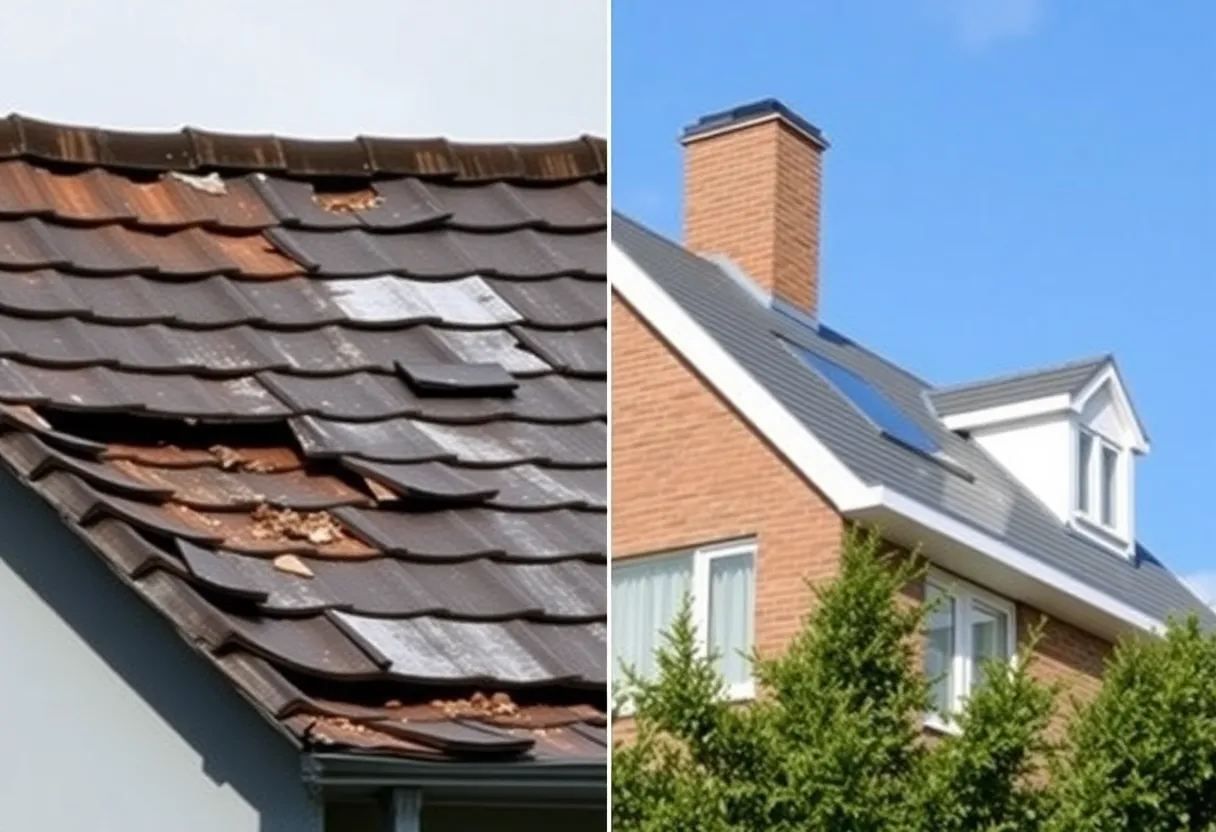


How to Choose the Right Roofing Tools for Your Next DIY Project
When it comes to DIY roofing projects, the right tools can make all the difference. Proper tools not only help you complete your task efficiently but also ensure safety and quality results. Below is a comprehensive guide to help you choose the right roofing tools for your next project.
Understanding the Basics of Roofing Tools
Before diving into specific tools, it’s essential to understand the types of tasks you might encounter during a roofing project. Common roofing tasks include:
- Removing old roofing materials
- Repairing or replacing shingles
- Installing vents and flashing
- Sealing and weatherproofing
Each task requires specific tools tailored to its requirements.
Essential Roofing Tools
1. Safety Gear
Before any work begins, safety should be the priority. Invest in:
- Safety goggles: Protects your eyes from debris.
- Hard hats: Essential for head protection from falling materials.
- Work gloves: Provides grip and protects hands from sharp edges.
- Non-slip footwear: Ensures traction on sloped surfaces.
2. Measuring Tools
Accuracy is critical in roofing. Here are some must-have measuring tools:
- Tape measure: For measuring lengths accurately.
- Chalk line: To create straight lines on your roofing material.
- Level: Ensures surfaces are even.
3. Cutting Tools
When dealing with roofing materials, precise cuts are crucial. Consider these cutting tools:
- Utility knife: Ideal for cutting shingles and other flexible materials.
- Tin snips: Perfect for cutting metal roofing materials.
- Reciprocating saw: Useful for heavier materials or in tight spaces.
4. Installation Tools
Installing roofing materials requires the right tools for effective application:
- Nail gun: Speeds up the installation process of shingles. Ensure you use the correct size of fasteners.
- Roofing hammer: Useful for hand-nailing shingles, especially in small or tight areas.
- Caulking gun: Essential for applying sealants around vents and flashing.
5. Removing Tools
When tearing off old roofing, you will need specific tools:
- Roofing shovel: Effective in removing shingles and other roofing materials.
- Pruning saw: For cutting through roofing underlayment or wood.
Consider the Material Type
The type of roofing material you choose will directly influence your tool selection. Different materials require varying tools. Below are common materials and corresponding tools:
Shingles
For asphalt shingles, a roofing hammer and a nail gun are particularly effective. Ensure to have a utility knife to trim shingles to size.
Metal Roofing
For metal roofing, you will need tin snips and a sufficient power source for drills or nail guns. Additionally, include a safety harness for working on inclines.
Tile Roofing
Tile roofing requires specialized cutting tools, such as a tile cutter or angle grinder, to ensure clean edges without breakage.
Evaluate Your Project Scale
The scale of your roofing project will also affect tool selection. For smaller projects, handheld tools might be adequate. For larger projects, power tools can save you time and effort.
Factor in Your Skill Level
Your experience and comfort with various tools should guide your choices. If you are a beginner, start with essential hand tools. As your skills improve, you can incorporate more advanced machinery like nail guns or power saws.
Budget Considerations
Setting a budget is critical. Quality tools can be an investment, but they pay off in durability and efficiency. Consider the following:
- New vs. Used: New tools offer warranties but at a higher price. Used tools may save money but come with risks.
- Rental options: For tools you will use only once or twice, renting may be a cost-effective choice.
Research and Reviews
Before purchasing tools, conducting research is vital. Look for product reviews and recommendations online. This will help you understand the practicality and durability of the tools you intend to buy.
Storing Your Tools Properly
Once you have selected and purchased your tools, proper storage is essential for maintaining their condition:
- Dry environment: Store tools in a dry place to prevent rust.
- Organization: Keep tools organized using toolboxes or pegboards. This prevents damage while making them easier to find.
Conclusion
Choosing the right roofing tools for your DIY project can seem daunting, but with careful consideration of safety, task requirements, material types, and personal skill levels, you can make informed decisions. Always prioritize quality and ensure that you understand how to use the tools correctly to achieve professional results.
By equipping yourself with the right tools and information, you can successfully tackle your next roofing project with confidence and skill.

Author: STAFF HERE NEWBERRY
The NEWBERRY STAFF WRITER represents the experienced team at HERENewberry.com, your go-to source for actionable local news and information in Newberry, Newberry County, and beyond. Specializing in "news you can use," we cover essential topics like product reviews for personal and business needs, local business directories, politics, real estate trends, neighborhood insights, and state news affecting the area—with deep expertise drawn from years of dedicated reporting and strong community input, including local press releases and business updates. We deliver top reporting on high-value events such as the Newberry Opera House performances, Newberry Arts Fest, and the Newberry County Fair. Our coverage extends to key organizations like the Newberry County Chamber of Commerce and the Newberry Museum, plus leading businesses in manufacturing and agriculture that power the local economy such as Amick Farms and Newberry Mills. As part of the broader HERE network, including HEREAiken.com, HEREBeaufort.com, HEREChapin.com, HERECharleston.com, HEREClinton.com, HEREColumbia.com, HEREGeorgetown.com, HEREGreenwood.com, HEREGreenville.com, HEREHiltonHead.com, HEREIrmo.com, HEREMyrtleBeach.com, HERENewberry.com, HERERockHill.com, and HERESpartanburg.com, we provide comprehensive, credible insights into South Carolina's dynamic landscape.
 Mays Contracting