
How to Safely Upgrade Your Roof for Enhanced Weather Resistance: Essential DIY Tips for Homeowners
Your roof serves as the primary barrier against the elements. Upgrading your roof to enhance weather resistance can significantly improve your home’s energy efficiency and prolong its lifespan. In this article, we will explore practical steps to safely upgrade your roof, ensuring that you are well-equipped to tackle this essential DIY project.
Understanding the Importance of Weather Resistance
The roof is subjected to various weather conditions, from intense sun to heavy rain and snow. Each of these elements can gradually wear down your roofing materials. Upgrading your roof not only protects your home but also contributes to its overall value. Here are a few reasons why enhanced weather resistance is critical:
- Increased Durability: Robust materials withstand harsh weather.
- Energy Efficiency: Better insulation can lower energy bills.
- Moisture Control: Effective upgrades minimize leaks and mold growth.
Planning Your Roof Upgrade
Before diving into your roof upgrade project, careful planning is crucial. Here are essential steps to consider:
1. Assess Your Current Roof Condition
Inspect your existing roof thoroughly. Look for:
- Missing or damaged shingles
- Cracked flashing
- Significant wear on roofing material
Identifying these issues is vital for determining the extent of the upgrade needed.
2. Choose the Right Materials
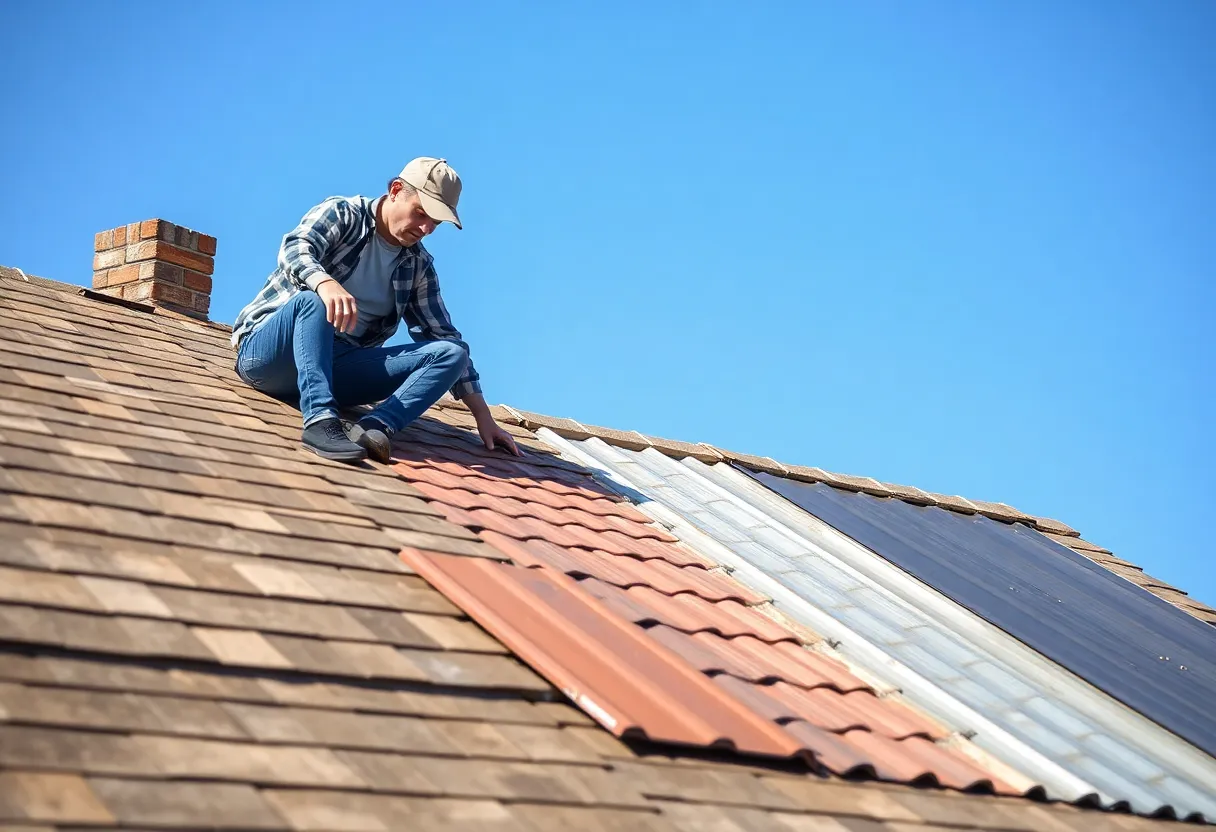
Upgrading your roof involves selecting the right materials equipped to handle various weather conditions. Popular options include:
- Asphalt Shingles: Cost-effective and widely used.
- Metal Roofing: Offers longevity and enhanced durability.
- Clay and Concrete Tiles: Excellent under extreme weather.
- Slate: A premium choice known for its longevity.
3. Evaluate Local Climate Conditions
Consider the climate in your area. Choose materials based on:
- Rainfall levels
- Wind speeds
- Temperature variations
This evaluation will help you select roofing materials that can withstand local weather patterns.
Preparing for the Upgrade
Preparation is key to a successful roofing project. Here’s how to prepare properly:
1. Gather Essential Tools and Materials
Having the right tools on hand is crucial. Consider the following:
- Ladder
- Roofing nails
- Shingles or roofing material
- Measuring tape
- Utility knife
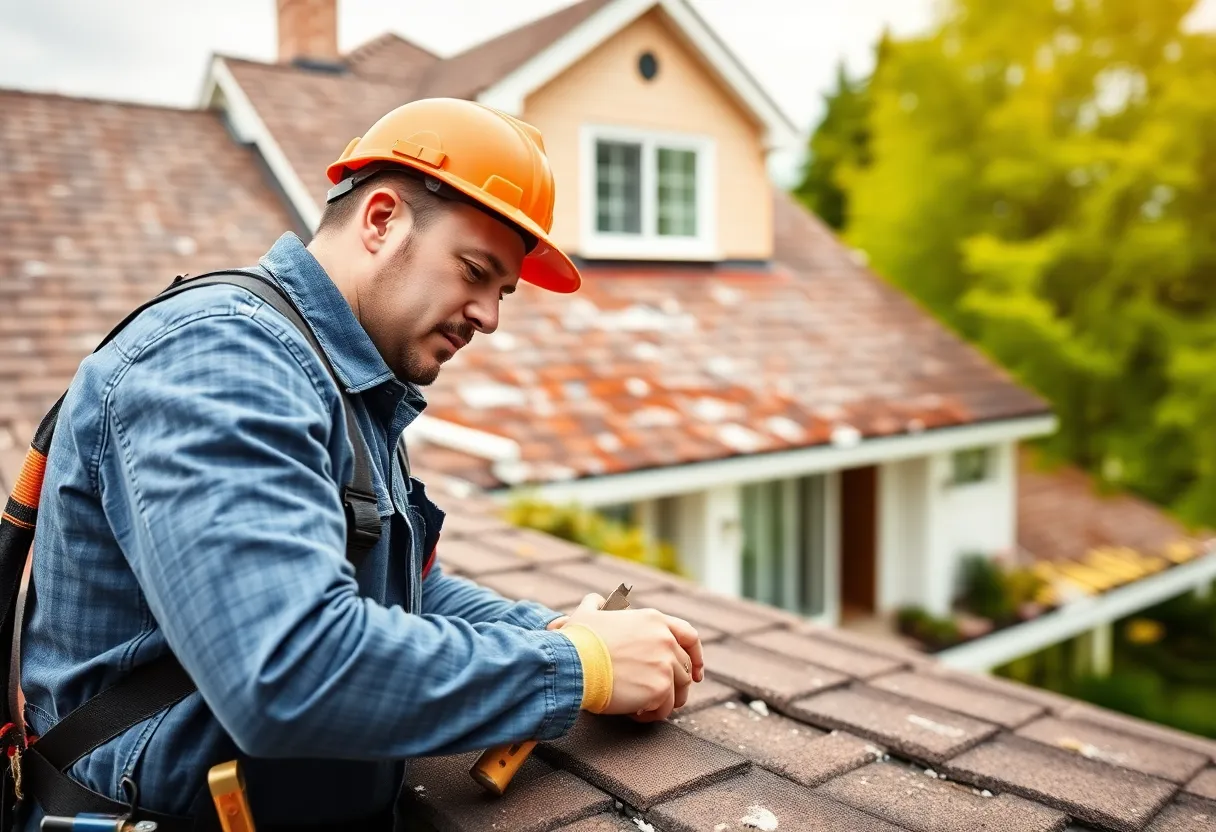
- Safety harness
2. Ensure Safety Precautions
Your safety should be the top priority during the upgrade. Follow these guidelines:
- Wear appropriate safety gear.
- Use a sturdy ladder and ensure it’s on level ground.
- Consider hiring a professional for high or complex roofs.
Executing the Roof Upgrade
With everything in place, it’s time to execute the upgrade. Follow these steps carefully:
1. Remove Old Roofing Material
If applicable, start by stripping away the existing roofing material. Use a pry bar for removing shingles and flashing. Ensure you dispose of debris safely.
2. Repair Underlying Structures
Check the decking for damage. Replace any rotting or weakened sections. This step is crucial for maintaining the roof’s structural integrity.
3. Install Weather-Resistant Underlayment
Applying an underlayment will provide additional protection against moisture. Choose a high-quality material specifically designed for your chosen roofing type and install it according to manufacturer guidelines.
4. Install the New Roofing Material
Begin installing your new roofing material from the bottom. Work your way up to ensure proper overlapping and sealing to prevent water infiltration. Follow the manufacturer’s instructions meticulously.
Finishing Touches
Once the main roofing material is in place, there are a few final tasks to ensure everything is secure and properly placed:
1. Seal and Flash
Apply caulking to all flashing areas to create a watertight seal. Pay special attention to areas around chimneys, vents, and skylights.
2. Install Ridge Caps
The installation of ridge caps at the peak of the roof helps direct water off the roofing structure and enhances the overall aesthetic. Follow guidelines for proper placement and adhesion.
Ongoing Maintenance for Your Upgraded Roof
Once your upgrade is complete, maintaining your roof is essential to ensure its longevity and effectiveness. Here are some ongoing maintenance tips:
1. Regular Inspections
Inspect your roof periodically, especially after severe weather. Look for:
- Damaged shingles
- Signs of leaks
- Clogged gutters
2. Clean Gutters and Downspouts
Keep gutters and downspouts clear of debris to avoid water backup, which can lead to leaks and water damage.
3. Trim Overhanging Branches
Prune any tree branches that could fall on your roof. This will minimize the risk of damage during storms.
Conclusion
Upgrading your roof can greatly enhance its weather resistance, ensuring the protection and comfort of your home. By carefully assessing your current roof, selecting appropriate materials, executing the upgrade safely, and committing to regular maintenance, you can achieve a robust roofing system ready to withstand the elements.
Investing time and effort in a roofing upgrade can pay dividends in the long run. Enjoy the peace of mind that comes from knowing your home is prepared to face whatever nature has in store.

 Mays Contracting