


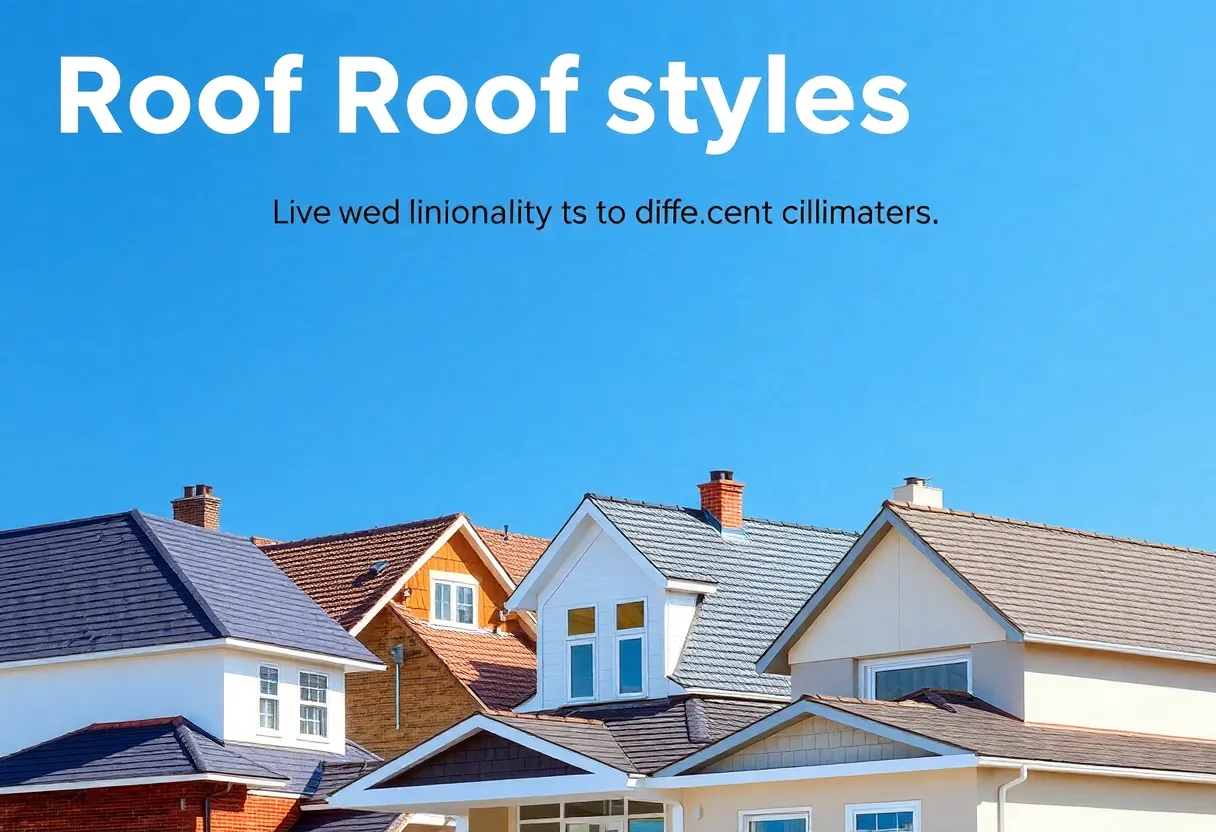
How to Choose the Right Roof Style for Your Home’s Unique Climate Conditions
Your home’s roof is more than just a protective covering; it plays a crucial role in the sustainability and integrity of your house. Choosing the right roof style can significantly affect your home’s energy efficiency, durability, and maintenance needs, particularly in relation to your climate conditions. This article will guide you through the essential factors to consider when selecting the ideal roof style suited to your local environment.
Understanding Climate Zones
Before diving into roof styles, it’s essential to understand the various climate zones. Each zone imposes unique demands on roofing materials and styles.
1. Tropical Climates
Tropical regions are characterized by warm temperatures, high humidity, and significant rainfall throughout the year. Here, roofs need to facilitate proper drainage to prevent water accumulation.
Recommended Styles:
- Gable Roofs: Effective at shedding water, reducing humidity, and encouraging airflow.
- Hip Roofs: Robust design that resists wind uplift and provides excellent drainage.
2. Temperate Climates
In temperate areas, you experience distinct seasons, with warm summers and cold winters. Insulation becomes vital in maintaining energy efficiency.
Recommended Styles:
- Sloped Roofs: Allowing for snow runoff in winter while promoting cool airflow in summer.
- Gambrel Roofs: Provide extra space for insulation, which can balance heating and cooling needs.
3. Cold Climates
Cold climates often involve snow, ice, and freezing temperatures. Your roof must manage heavy snow loads and minimize ice dam formation.
Recommended Styles:
- Steep Sloped Roofs: Effectively shed snow and reduce ice damming risks.
- Flat Roofs with Proper Drainage: While less common, well-drained flat roofs can work effectively in these areas.
4. Desert Climates
Desert areas present unique challenges such as extreme heat during the day and cold nights. Roofs must provide thermal resistance.
Recommended Styles:
- Flat Roofs: Often used for commercial properties, they can also be effective in residential settings for thermal regulation.
- Low-Slope Roofs: Minimize solar exposure while allowing for adequate ventilation.
Factors Influencing Roof Style Selection
Beyond climate, several factors play a crucial role in determining the best roof style for your home.
1. Local Building Codes
Each region has specific building codes regarding roofing materials and styles. Always check with local authorities to ensure compliance, which can save you from potential fines or remodeling costs in the future.
2. Aesthetic Considerations
Your home’s architectural style should harmonize with the roofing design. A modern structure might look incongruent with traditional slate roofing. Selecting a roof that complements your home’s style adds to its overall appeal.
3. Energy Efficiency
Roof design significantly affects your energy costs. Well-insulated roofs minimize heat loss in winter and prevent overheating in summer. Research roofing materials that enhance energy efficiency, such as reflective coatings for hot climates or insulation for colder regions.
4. Maintenance Requirements
Roof styles differ in terms of required maintenance. Steeper pitches may require more frequent inspections, while flat roofs might need regular cleaning. Choose a roof style that fits your lifestyle and maintenance capabilities.
5. Cost Implications
Finally, consider the cost of installation and long-term maintenance. Some roof styles may be expensive upfront but offer longevity and low maintenance costs over the years, making them a better investment.
Common Roof Materials for Different Climates
In conjunction with roof styles, the materials used are equally essential. Various materials provide different benefits tailored to specific climates.
1. Metal
Metal roofs reflect sunlight, making them ideal for hot climates. They are also durable and resistant to severe weather conditions, such as hail and heavy rain. Additionally, their lifespan often extends beyond several decades.
2. Asphalt Shingles
Asphalt shingles are versatile and widely used. They work well in temperate climates, offering good insulation properties at an affordable cost. However, they are less effective in areas with extreme weather fluctuations, as they may not withstand heavy snow loads or intense heat.
3. Clay and Concrete Tiles
These materials excel in warm climates due to their thermal mass, which helps regulate indoor temperatures. They are also highly durable and provide excellent resistance against salt and humidity, making them suitable for coastal areas.
4. Slate
Slate roofs are stylish and long-lasting. They perform admirably in colder regions due to their ability to shed snow easily. However, their weight and cost may make them impractical for some homeowners.
5. Wood Shingles
Wood shingles provide a classic aesthetic but require regular maintenance and insect treatment. They perform best in moderate climates but may suffer in extremely humid or dry areas.
Conclusion
Choosing the right roof style for your home is a critical decision influenced by various factors such as climate, aesthetic preference, cost, and maintenance requirements. Understanding local climate conditions and how they interact with different roofing materials and styles empowers homeowners to make informed choices. Conduct thorough research, consult with roofing professionals, and consider local building regulations to help ensure that your roof suits your home’s needs, remains durable, and contributes to energy efficiency while enhancing the home’s overall appearance.

 Mays Contracting