

How to Optimize Your Roof’s Drainage System for Maximum Efficiency: A DIY Guide
Water drainage is a crucial aspect of roofing systems. An inefficient drainage system can lead to roof damage, mold growth, and significant repair costs. This guide offers practical insights on how to optimize your roof’s drainage effectively through DIY strategies.
Understanding the Importance of Roof Drainage
Every roof is designed to shed water. However, the efficiency of this process can vary widely based on several factors such as design, materials, and maintenance. Proper drainage helps in:
- Preventing Water Accumulation: Standing water can damage roofing material and lead to leaks.
- Extending Roof Lifespan: Adequate drainage contributes to the longevity of roofing materials.
- Enhancing Property Value: A well-maintained drainage system helps maintain the aesthetic and structural integrity of your home.
Identifying Drainage Issues
Before you can optimize your roof’s drainage system, you must first identify existing issues. Here are common signs of drainage problems:
- Pooling Water: Puddles or torrents on the roof surface indicate inefficient drainage.
- Debris Build-Up: Leaves, twigs, and other debris can block water flow.
- Stains and Mold: Moisture can cause discoloration and contribute to mold growth.
Evaluating Your Current System
Take a close look at your roof’s drainage system components:
1. Gutters
Examine your gutters for:
- Clogs: Regularly check for dead leaves or other debris.
- Alignment: Ensure gutters are pitched correctly to facilitate smooth water flow.
2. Downspouts
Make sure downspouts are:
- Clear: Inspect them for blockages.
- Properly Sized: Ensure they can handle the amount of water from the roof.
3. Drains
If your building has roof drains:
- Check for Blockages: Foreign objects can impede drainage.
- Test Flow: Observe how quickly water drains during rainfall.
Optimizing the Drainage System
Once you have identified issues in your roof’s drainage setup, consider employing the following strategies for optimization:
1. Cleaning and Maintenance
A basic but essential maintenance step is to keep gutters and drains clean. Schedule regular cleanings at least twice a year, preferably in spring and fall. Additionally:
- Use a Gutter Scoop: To remove debris, while being cautious of damaging the gutter material.
- Flush with Water: Using a garden hose, give your gutters a thorough rinse.
2. Gutter Guards
Consider installing gutter guards to help minimize debris accumulation. These come in various materials and styles but generally function to:
- Reduce Cleaning Frequency: Less debris means decreased maintenance.
- Improve Water Flow: Ensures that water reaches downspouts smoothly.
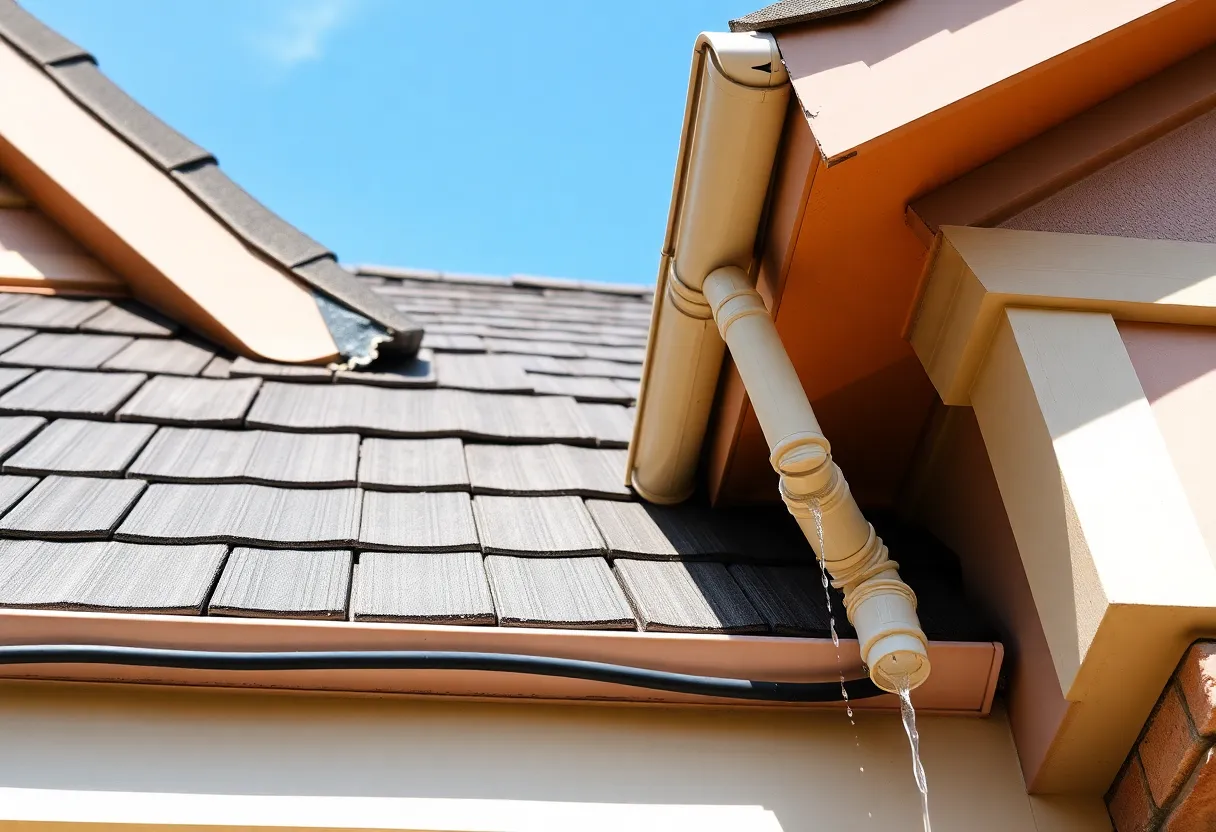
3. Downspout Extensions
If rainwater is pooling too close to your home’s foundation, extend the downspouts. Options for downspout extensions include:
- Flexible Hose: Quickly adapts to different angles and is easy to install.
- Rigid Piping: Offers more durability but requires professional installation.
4. Adjusting Roof Pitch
If water pooling is a persistent issue, the roof’s pitch may need reevaluation. A steeper pitch enhances drainage and could involve:
- Consulting a Professional: A structural engineer can advise on feasibility and modifications.
- Re-structuring Roof Sections: Effective in redirecting water flow toward downspouts.
Utilizing Drainage Solutions
In situations where traditional methods are ineffective, consider more specialized solutions:
1. French Drains
A French drain system can be installed to redirect water away from your foundation if water pooling is an issue. Components include:
- Trench Excavation: A trench is dug to install the drain pipe.
- Gravel Coverage: The trench is packed with gravel to facilitate water flow into the pipe.
2. Dry Wells
For yards that can’t accommodate above-ground drainage, a dry well can be installed underground. This functions to:
- Hold Excess Water: Provides a space for water to seep into the ground slowly.
- Prevent Overloading: Reduces the risk of flooding during heavy rainfall.
Regular Inspections and Testing
Post-optimization, regular inspections are essential to ensure ongoing efficiency. Here’s how to keep track:
1. Seasonal Checks
At each seasonal transition, conduct a thorough check of the entire drainage system for any signs of wear and tear or blockages.
2. Water Flow Tests
After heavy rain, observe if water drains efficiently. Make adjustments when necessary.
Conclusion
Optimizing your roof’s drainage system is an essential aspect of home maintenance. With regular cleaning, appropriate modifications, and the deploy of specialized drainage solutions, you can significantly enhance its efficiency. By following this DIY guide, you not only protect your roof but also contribute to the long-term health of your property. Remember, effective maintenance is the key to ensuring that your drainage system remains functional and reliable.

Author: STAFF HERE NEWBERRY
The NEWBERRY STAFF WRITER represents the experienced team at HERENewberry.com, your go-to source for actionable local news and information in Newberry, Newberry County, and beyond. Specializing in "news you can use," we cover essential topics like product reviews for personal and business needs, local business directories, politics, real estate trends, neighborhood insights, and state news affecting the area—with deep expertise drawn from years of dedicated reporting and strong community input, including local press releases and business updates. We deliver top reporting on high-value events such as the Newberry Opera House performances, Newberry Arts Fest, and the Newberry County Fair. Our coverage extends to key organizations like the Newberry County Chamber of Commerce and the Newberry Museum, plus leading businesses in manufacturing and agriculture that power the local economy such as Amick Farms and Newberry Mills. As part of the broader HERE network, including HEREAiken.com, HEREBeaufort.com, HEREChapin.com, HERECharleston.com, HEREClinton.com, HEREColumbia.com, HEREGeorgetown.com, HEREGreenwood.com, HEREGreenville.com, HEREHiltonHead.com, HEREIrmo.com, HEREMyrtleBeach.com, HERENewberry.com, HERERockHill.com, and HERESpartanburg.com, we provide comprehensive, credible insights into South Carolina's dynamic landscape.
 Mays Contracting