


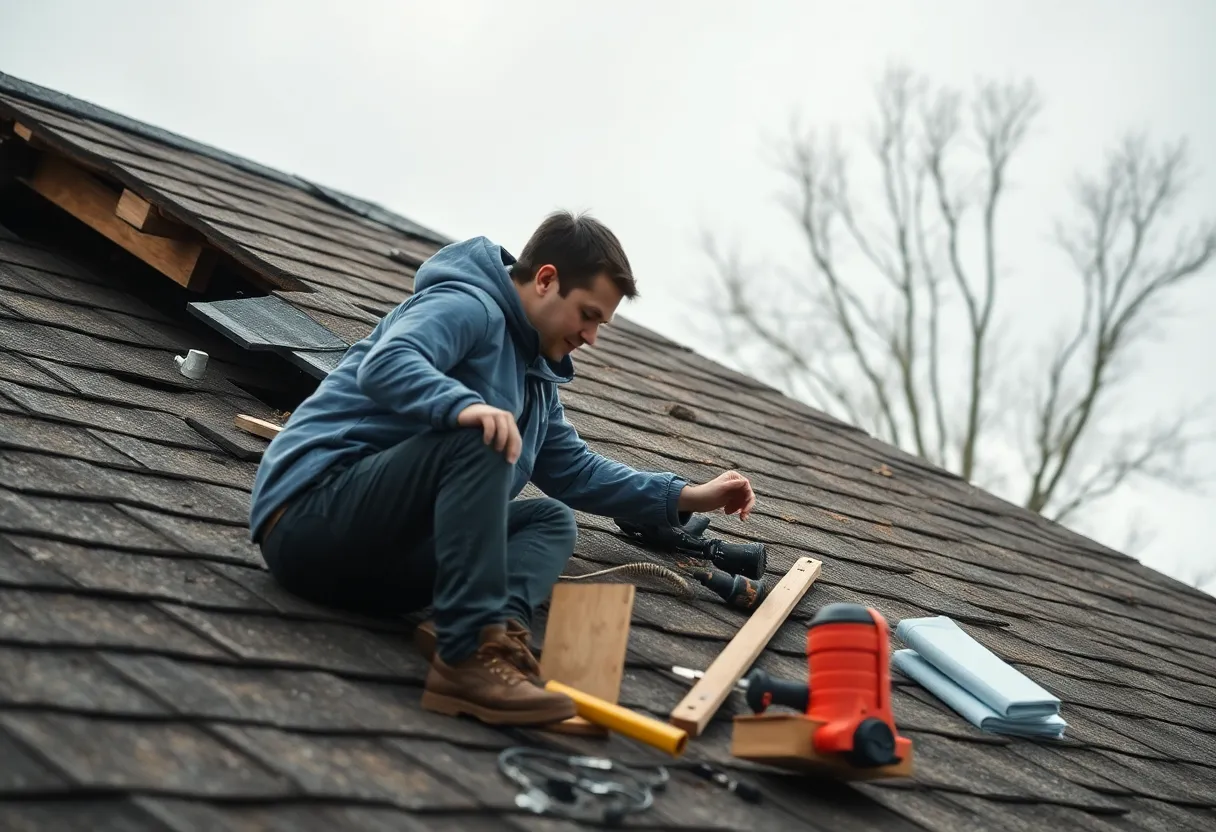
How to Create a DIY Roof Recovery Plan After Severe Weather Damage
Severe weather can wreak havoc on your home’s structure, particularly the roof. Whether it’s a hailstorm, hurricane, or heavy snowfall, your roof is the first line of defense against nature’s elements. After facing significant weather events, it’s crucial to create a DIY recovery plan to manage repairs effectively. This guide will present a structured approach to assess damage, engage in repairs, and establish preventive measures for the future.
Understanding the Impact of Severe Weather on Roofs
Before diving into repair strategies, it’s essential to understand how extreme weather affects roofs. Elements like high winds can displace shingles or tiles, while heavy rainfall can lead to water leaks. Snow and ice accumulation can create additional stress, causing tiles to crack or cornices to break under pressure.
Step 1: Immediate Safety Measures
Assess Your Environment
Your safety should be the top priority. After severe weather:
- Stay indoors until authorities declare the area safe.
- Look for signs of structural damage, like sagging ceilings or exposed wiring.
Secure Your Property
Protect your home and belongings:
- Move valuables away from windows or areas at risk of further damage.
- Cover broken windows or doors with tarps to prevent water intrusion.
Step 2: Documenting Roof Damage
Conduct a Visual Inspection
Once safe, it’s time to inspect the roof. Use a ladder to assess—**but not climb on**—the roof if it’s safe to do so:
- Look for missing shingles or tiles.
- Check for cracks, dents, or holes.
- Inspect flashing around chimneys and vents for damage.
Take Photos and Notes
Document the damage thoroughly:
- Use photos to capture the state of the roof from different angles.
- Make detailed notes of the observations and locations of damages.
Step 3: Determining the Necessity for Repairs
Assess Severity of Damage
Evaluate the extent of the damage:
- Minor damage may require simple patching.
- Major damage, such as structural failure, needs professional assessment.
Check Your Insurance Coverage
Review home insurance policies to understand coverage:
- Determine if roof damage falls under your policy’s coverage.
- Gather the necessary documentation to file a claim.
Step 4: Making Repairs
Gather Necessary Tools and Materials
Before beginning repairs, ensure you have:
- Ladder, safety harness, and other fall protection gear.
- Hammer, roofing nails, shingles, sealant, and other repair supplies.
Conduct Simple Repairs
For minor repairs, consider the following:
- Replace missing shingles by aligning new ones with existing rows.
- Patching leaks involves applying roofing cement or sealant.
Seek Professional Help When Needed
If the damage is beyond your expertise:
- Contact a licensed roofing contractor.
- Request multiple estimates to ensure fair pricing.
Step 5: Implementing Preventive Measures
Regular Inspections and Maintenance
After repairs, establish a routine inspection schedule:
- Inspect the roof bi-annually and after major weather events.
- Clear gutters and downspouts to prevent water accumulation.
Invest in Quality Materials
When repairing or upgrading your roof, choose quality materials:
- Consider impact-resistant shingles to withstand severe weather.
- Opt for waterproof underlayment for enhanced protection against moisture.
Step 6: Creating an Emergency Preparedness Plan
Develop a Communication Strategy
Establish a plan for who to call during emergencies:
- Keep contact information for emergency services and contractors handy.
- Share your plan with family members.
Have an Emergency Kit Ready
Prepare an emergency kit that includes:
- Flashlights, batteries, and first aid supplies.
- Non-perishable food and water.
Step 7: Evaluating Long-Term Solutions
Consider Roof Replacement
If your roof suffers frequent damage, replacement might be the best solution:
- Evaluate the age of your roof and frequency of repairs.
- Research eco-friendly materials that provide better durability.
Explore Roof Reinforcements
Improving the overall stability can reduce future risks:
- Install additional bracing or underlayment to support the structure.
- Research improvements specific to your geographic risk factors (e.g., wind, hail).
Conclusion
Creating a DIY roof recovery plan after severe weather is essential for protecting your home. By taking the right measures, you can assess damage accurately, engage in effective repairs, and develop a proactive strategy to mitigate future risks. Prioritizing safety and well-organized responses can ensure resilience against nature’s unpredictability.

 Mays Contracting