

How to Enhance Your Roof’s Noise Reduction with Effective DIY Techniques
Reducing noise levels in a home can significantly improve comfort and overall quality of life. Roofs play an essential role in dampening sound, especially in urban environments or residential areas near busy roads. Implementing effective DIY techniques can bolster your roof’s noise reduction capabilities without needing professional help. This guide outlines practical methods to enhance your roof’s sound insulation.
The Importance of Noise Reduction
Noise pollution can lead to a range of negative effects, from stress and anxiety to sleep disturbances. By enhancing your roof’s ability to absorb or deflect sound, you create a more peaceful environment. The roof can help mitigate external noises such as traffic, rain, wind, and even aircraft, creating a serene living space.
Understanding Sound Transmission
To effectively reduce noise, it is critical to understand how sound travels. Sound waves propagate through air, solids, and liquids, and they can penetrate various building materials. The key to noise reduction in roofing systems lies in the ability to disrupt or absorb these sound waves.
Identifying Noise Sources
Before starting any enhancements, identify the types of noise you are dealing with:
- Airborne noise: Sounds from voices, music, or traffic.
- Impact noise: Noise generated from footsteps, furniture movement, or falling objects.
- Rain noise: The sound of rain hitting the roof, which can be particularly bothersome on metal roofs.
DIY Techniques to Enhance Noise Reduction
1. Add Insulation
Insulation is a primary method for noise reduction. Consider these options:
- Fiberglass insulation: Commonly found in attics, its density helps reduce sound transmission.
- Foam boards: Offer solid insulation and add a layer of sound absorption when applied to roof surfaces.
- Mineral wool: An excellent choice for soundproofing due to its higher density and sound-absorbing qualities.
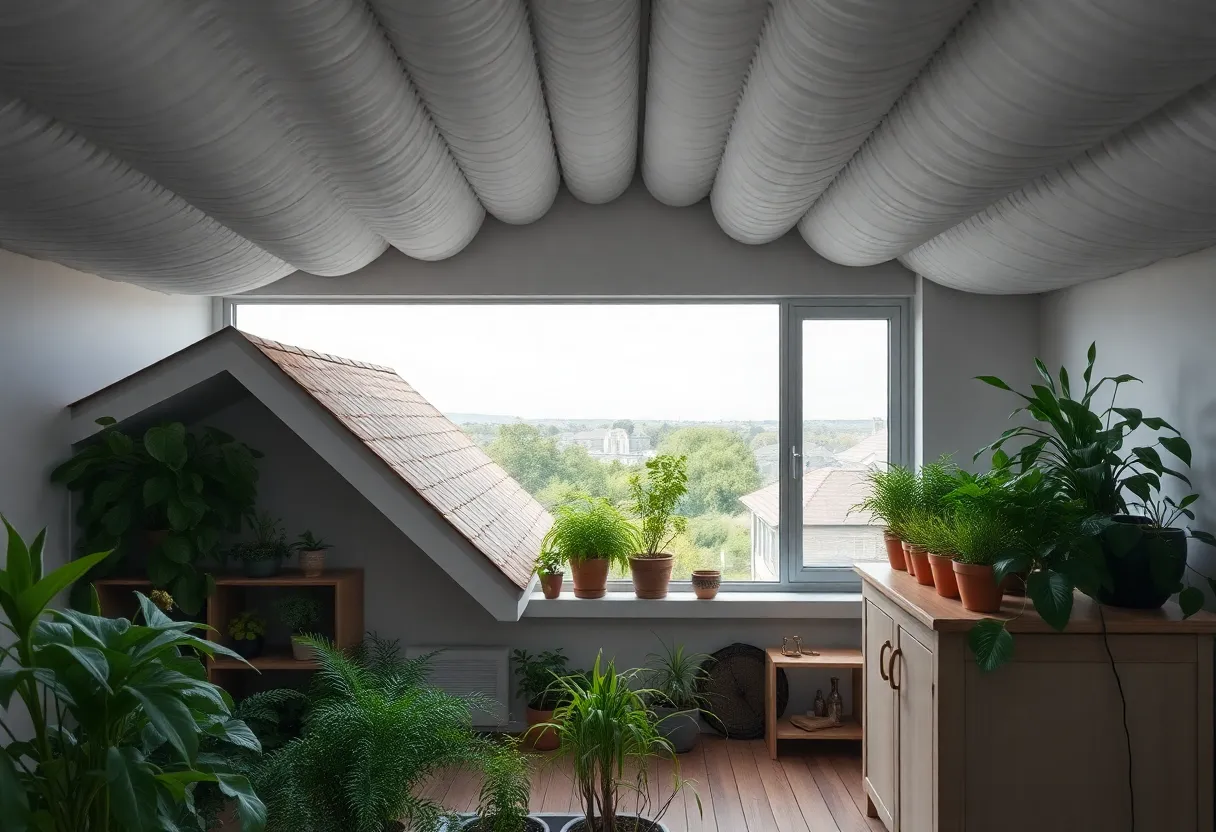
2. Use Acoustic Panels
Installing acoustic panels directly on the interior of your roof can be an effective noise-reducing measure. These panels are designed to absorb sound waves:
- Place panels in areas most affected by noise, such as near skylights or windows.
- Select panels with high Noise Reduction Coefficients (NRC) for optimal performance.
3. Utilize Roof Underlayment
Underlayment is a crucial layer between the roof deck and roofing material. Opt for specialized sound-dampening underlayment:
- Rubberized membrane: Excellent for reducing impact noise.
- Felt underlayment: Also provides moisture protection while helping prevent noise transfer.
4. Apply a Green Roof System
Green roofs not only contribute to energy efficiency but also help absorb sound. Thick vegetation and soil reduce noise pollution significantly:
- Install a layer of soil on the roof, followed by planting grass and various vegetation.
- Ensure a proper drainage system to avoid water retention.
5. Install Soundproofing Shingles
Consider replacing standard roof shingles with soundproofing shingles. These shingles are engineered with sound-absorbing materials, providing a marked improvement in noise reduction:
- Look for products labeled as “noise-reducing shingles” for effective results.
6. Seal Gaps and Cracks
Even the slightest gaps can facilitate noise transfer. Regularly check for cracks and crevices in your roof and use caulk or weather stripping to seal them:
- Pay close attention to chimney joints, vent pipes, and eaves.
- Ensure a tight seal around any fixtures that penetrate the roof.
Combining Techniques for Maximum Effect
For optimal noise reduction, consider implementing multiple methods simultaneously. Integrating insulation with acoustic panels and specialized roofing materials can create a comprehensive noise barrier.
Regular Maintenance for Sustained Performance
Regular roof maintenance is essential for preserving the noise-reducing capabilities of your enhancements:
- Check for wear and tear on soundproofing materials.
- Replace damaged insulation and ensure all seals remain intact.
Conclusion
Enhancing your roof’s noise reduction capabilities through effective DIY techniques can lead to a noticeable improvement in your home’s comfort and tranquility. From adding insulation to utilizing specialized underlayment and soundproofing materials, various options are available to reduce noise effectively. By combining these strategies and ensuring regular maintenance, you can create a serene living space free from disruptive external sounds.

 Mays Contracting