
How to Effectively Diagnose Roof Insulation Issues: A DIY Guide for Homeowners
Understanding the Importance of Roof Insulation
Roof insulation plays a critical role in maintaining a comfortable home environment. When the insulation is inadequate or damaged, it directly impacts energy efficiency. This can lead to increased energy bills and discomfort in both summer and winter. Understanding how to effectively diagnose issues with your roof insulation is essential for any homeowner.
Common Issues with Roof Insulation
Identifying specific insulation problems helps you take appropriate corrective actions. Here are some of the common roof insulation issues:
1. Insufficient Insulation Thickness
Insulation materials lose effectiveness if they are not installed to the recommended thickness. A general guideline is to have at least 12-15 inches of fiberglass insulation for optimal performance.
2. Moisture Accumulation
Moisture can lead to mold growth, which compromises insulation effectiveness. Assessing signs of dampness is crucial for immediate remediation.
3. Air Leaks
Air leaks through gaps, cracks, or holes in the roof structure can escape heated or cooled air. Identifying these leaks will improve overall insulation performance.
4. Deteriorated Insulation Materials
Old or damaged insulation may need replacement. The materials can lose their effectiveness over time, so periodic inspections are necessary.
Diagnostic Steps for Homeowners
Diagnosing roof insulation issues involves several steps. A systematic approach allows for an accurate assessment.
Step 1: Conduct a Visual Inspection
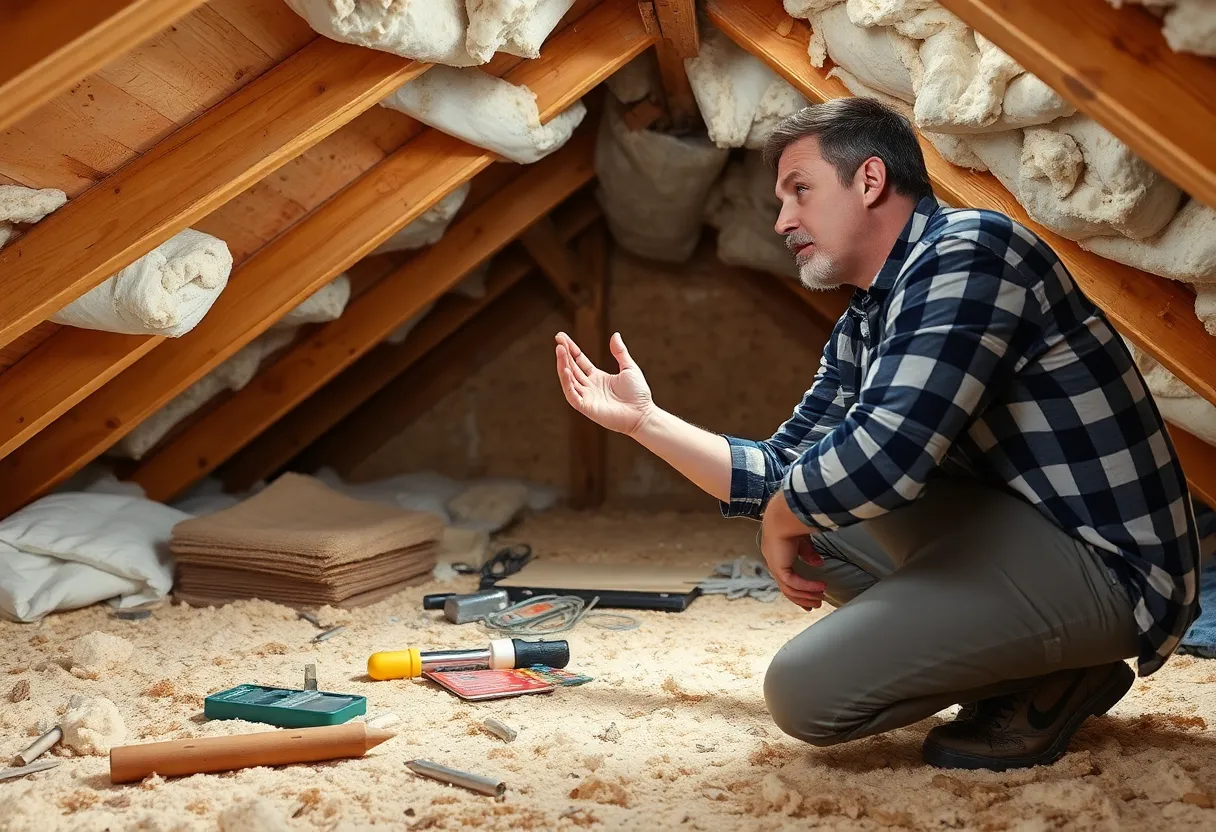
Begin your inspection from the attic. Look for:
– Obvious gaps between insulation panels.
– Signs of moisture or staining on insulation and roof beams.
– Areas where insulation is compressed, which may indicate insufficient coverage.
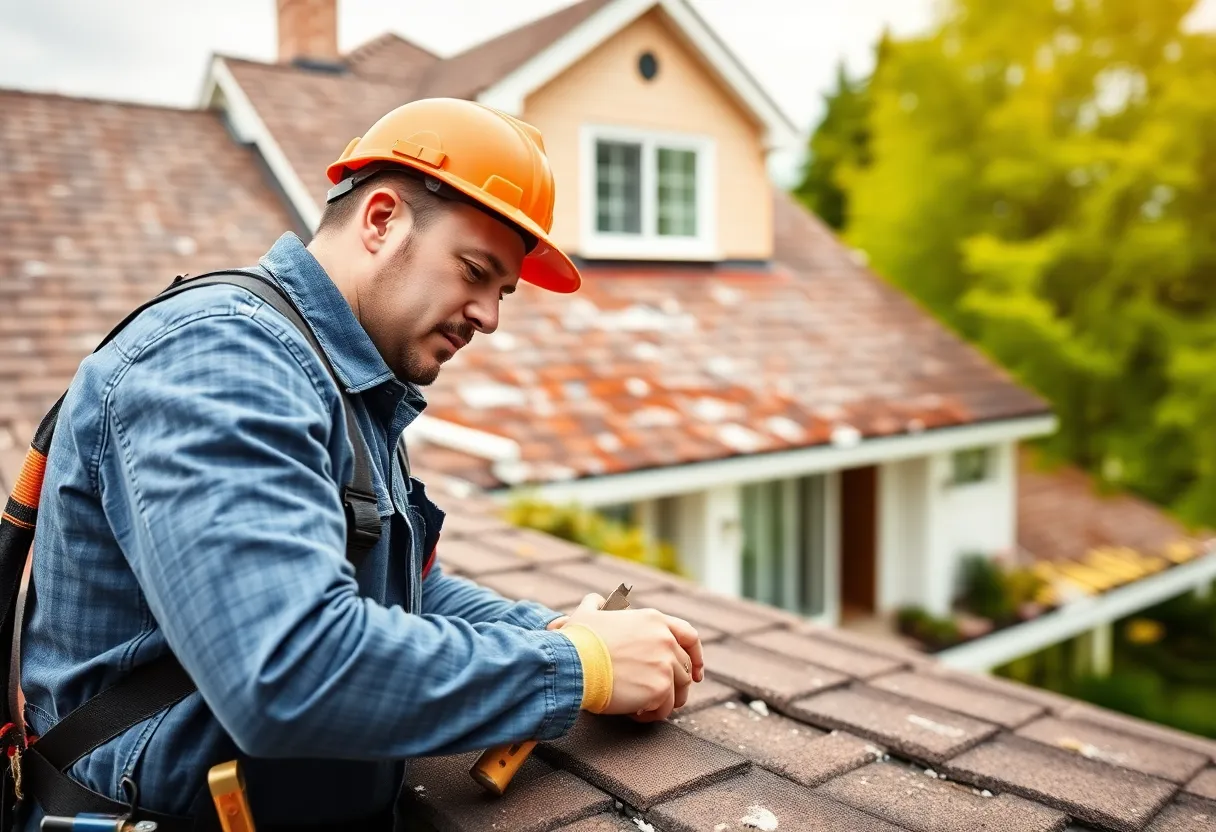
Don’t forget to observe the exterior of your roof as well for cracked shingles or other signs of damage.
Step 2: Check for Air Leaks
Air leaks can often be felt rather than seen. Use the following methods:
– Thermal Camera: A thermal imaging camera highlights temperature differences, identifying areas where air is escaping.
– Smoke Pen or Incense: Slowly move a lit smoke pen or incense stick near suspect areas. If the smoke moves horizontally, air is leaking.
For a thorough inspection, conduct this assessment on a cold day to visualize heat loss effectively.
Step 3: Assess Insulation Condition
In addition to performing a visual inspection, evaluate the integrity of your insulation materials:
– Fiberglass Insulation: If it appears flattened, moist, or discolored, it may need replacement.
– Spray Foam Insulation: Look for cracking or peeling, which can indicate a loss of thermal barrier.
Properly maintained insulation should remain dry and well-positioned throughout your roof.
Step 4: Evaluate Energy Bills
Perform a thorough review of your energy bills over time. A significant increase can hint at insulation failures. Compare current bills with historical data to spot irregularities.
Step 5: Engage in Testing
If your visual inspections and basic assessments indicate potential issues, consider performing some testing methods:
– Blower Door Test: This test depressurizes your home and identifies air leaks.
– Insulation Inspection by Professionals: Professionals use advanced tools to assess insulation effectiveness.
Testing provides a deeper understanding of the insulation’s performance.
Solutions to Common Roof Insulation Issues
Once you’ve diagnosed the problem, you can take steps toward resolution. Here are some solutions based on common insulation concerns:
1. Adding More Insulation
If insulation thickness is insufficient, adding more insulation can improve energy efficiency. Follow local building codes for the minimum required thickness.
2. Sealing Air Leaks
Use caulk or weatherstripping to seal identified air leaks. Pay extra attention to areas around vents, chimneys, and electrical installations.
3. Replacing Damaged Insulation
If insulation materials are severely damaged or mold is present, replacement is crucial. Carefully remove old insulation and safely dispose of it before installing new materials.
4. Installing Ventilation Systems
To prevent moisture accumulation, installing ventilation systems in the attic can mitigate humidity levels. Ensure proper airflow to keep insulation dry over time.
Maintain the Health of Your Roof Insulation
Routine maintenance ensures the longevity of roof insulation. Here are practical tips to maintain it effectively:
1. Schedule Periodic Inspections
At least once a year, inspect your roof and attic. Early identification of problems can prevent costly repairs later.
2. Clean Gutters Regularly
Clogged gutters can lead to roof damage and moisture accumulation. Clear debris to ensure proper drainage.
3. Consider Professional Assessments
If unsure about the state of your insulation, consider hiring a professional. Their expertise can guarantee a thorough evaluation and appropriate recommendations.
Conclusion
Diagnosing insulation issues in roofs can save homeowners considerable time and money in the long run. It involves visual inspections, checking for air leaks, and assessing insulation conditions. Understand that sufficient roof insulation is crucial for a comfortable living environment and energy efficiency.
By following this DIY guide, you can effectively pinpoint insulation problems and address them accordingly. Proactive maintenance and periodic inspections will help to sustain the health of your roof insulation for years to come, ultimately enhancing your home’s energy efficiency and comfort levels.

 Mays Contracting