


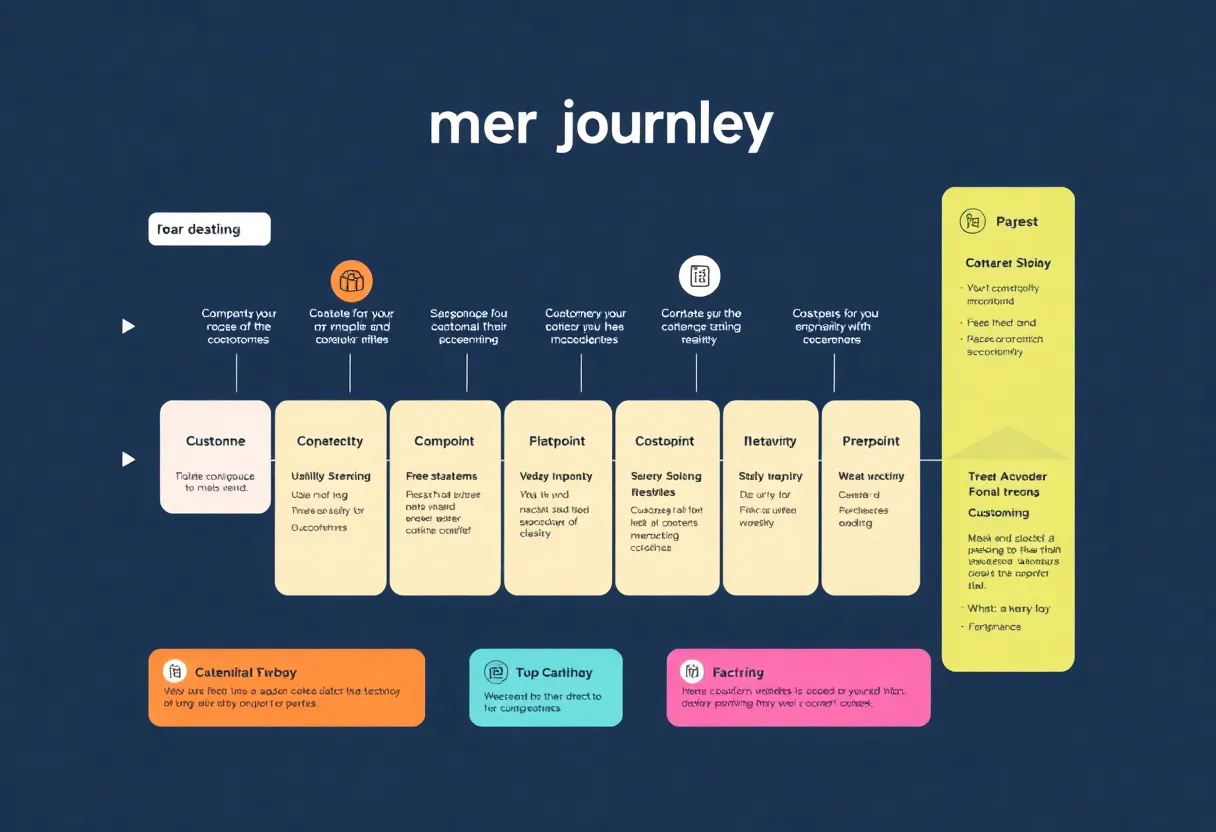
How Can You Use Customer Journey Mapping to Optimize Your Digital Marketing Strategy?
Understanding Customer Journey Mapping
Customer journey mapping is a strategic approach that visualizes the process customers go through when interacting with your brand. It connects the customer experience with your overall marketing strategy. By laying out the stages, touchpoints, and interactions a customer experiences, businesses can identify areas for improvement.
What Is Customer Journey Mapping?
At its core, customer journey mapping captures the complete experience a customer has with a brand, from initial awareness to post-purchase engagement. This process typically involves creating personas, identifying key interactions, and analyzing the emotional responses of customers at each point of contact.
Why Is Customer Journey Mapping Important?
Utilizing customer journey maps can significantly enhance your digital marketing strategy in several ways:
- Increased Customer Understanding: It offers insights into customer motivations, pain points, and expectations.
- Enhanced Engagement: By knowing where customers drop off, marketers can create targeted interventions.
- Improved Content Strategy: It helps tailor content to meet the specific needs and preferences of customers at different stages.
Components of a Customer Journey Map
Creating an effective customer journey map involves several crucial components:
1. Customer Personas
A well-defined customer persona includes demographics, behavior traits, preferences, and challenges. Users can create multiple personas to represent various segments of their audience.
2. Stages of the Journey
The customer journey typically consists of several stages: Awareness, Consideration, Purchase, Retention, and Advocacy. Each stage must be mapped with specific customer interactions and emotions.
3. Touchpoints
Touchpoints are the moments when customers interact with your brand. Common online touchpoints include social media, websites, emails, and advertisements. Understanding which touchpoints resonate best with customers is vital for marketing effectiveness.
4. Customer Emotions
Mapping customer emotions throughout their journey provides insights into their experiences. Understanding whether customers feel satisfied, frustrated, or excited at various stages can guide improvements.
Steps to Create a Customer Journey Map
Developing a customer journey map requires a systematic approach:
Step 1: Identify the Goals
Decide the specific objectives you want to achieve with the journey map. This could include understanding customer behavior better, enhancing customer satisfaction, or increasing conversion rates.
Step 2: Research and Gather Data
Collect qualitative and quantitative data from various sources. Analyze customer feedback, conduct surveys, and utilize analytics tools to gain insights into customer behavior.
Step 3: Create Customer Personas
Based on your research, develop detailed customer personas. Each persona should represent a distinct segment of your audience, capturing their preferences and journey nuances.
Step 4: Map the Journey Stages
Outline the steps customers take through the journey, from awareness to advocacy. Clearly define what actions customers take at each stage and what drives those actions.
Step 5: Identify Key Touchpoints
List all interactions customers have with your brand. Pay special attention to both online and offline touchpoints to provide a holistic view of the customer experience.
Step 6: Analyze Customer Emotions
Use customer feedback to assess the emotional states associated with each interaction. Identifying points of friction or delight helps prioritize improvement areas.
Step 7: Review and Update Regularly
Customer journey mapping is a dynamic process. Regularly revisit the map to incorporate changes in consumer behavior and marketing strategies.
Applying Customer Journey Mapping in Digital Marketing
Once a customer journey map is created, businesses can leverage it to enhance their digital marketing efforts in various ways:
1. Personalization
Use insights from customer personas and journey stages to create personalized marketing messages. Tailored communications foster deeper connections, improving engagement and conversion rates.
2. Content Strategy
Align your content with the interests and pain points identified in the customer journey. Develop blog posts, videos, and social media content targeted at specific touchpoints.
3. Targeted Advertising
Segment audiences based on their journey stages and run targeted ad campaigns. This increases the chances of reaching potential customers at the right moment with the right message.
4. Optimizing User Experience
Identify and rectify pain points present in the customer journey. Optimization of website navigation, loading times, and mobile experience significantly enhances user satisfaction.
5. Improve Customer Service
Utilize the journey map to inform your customer support team. Understanding common pain points helps refine support strategies and enhance the overall customer experience.
6. Performance Marketing
Measure the effectiveness of your marketing efforts by tracking customer interactions across various touchpoints. Adjust strategies based on performance data to maximize ROI.
Measuring the Impact of Customer Journey Mapping
To evaluate the effectiveness of customer journey mapping, employ various metrics:
1. Customer Satisfaction (CSAT)
Regularly survey customers to understand their satisfaction levels across different stages. This metric helps assess if your mapping efforts translate into a better experience.
2. Net Promoter Score (NPS)
NPS measures the likelihood of customers recommending your brand to others. A strong NPS indicates success in delivering a positive customer journey.
3. Conversion Rates
Track conversion rates at each stage of the journey. If certain touchpoints show lower conversion rates, it may signal a need for refinement in that area.
4. Customer Retention Rates
Monitor how effectively your business retains customers post-purchase. High retention rates reflect satisfaction with the customer journey.
5. Customer Lifetime Value (CLV)
Assess the long-term value created by customers over time. Successful journey mapping often results in higher CLV, indicating effectiveness in engaging and retaining customers.
Challenges and Considerations
While effective, customer journey mapping comes with challenges:
1. Data Overload
Gathering vast amounts of data can be overwhelming. It’s essential to focus on relevant data that drives actionable insights.
2. Evolving Customer Preferences
Customer behavior continually changes. Regularly updating customer journey maps is vital to stay aligned with evolving expectations.
3. Coordination Across Teams
For successful implementation, ensure all departments understand the journey map. Cross-functional collaboration enhances the customer experience.
Conclusion
Integrating customer journey mapping into your digital marketing strategy is invaluable. By identifying touchpoints and understanding customer emotions, businesses can optimize their marketing efforts. Personalization, content strategy, user experience, and performance measurement all benefit from insights gained through the mapping process.
Ultimately, leveraging customer journey mapping turns insights into actionable improvements, leading to increased customer satisfaction, loyalty, and growth.