

How to Choose the Right Roof Underlayment for Enhanced Protection and Performance
Understanding Roof Underlayment
Roof underlayment is a vital component of the roofing system that lies beneath the outer roofing material. Its primary function is to provide an additional layer of protection against environmental elements like water, wind, and ice. By understanding the different types of underlayment available, homeowners can make informed choices that enhance the durability and performance of their roofs.
Types of Roof Underlayment
1. Asphalt-Saturated Felt Underlayment
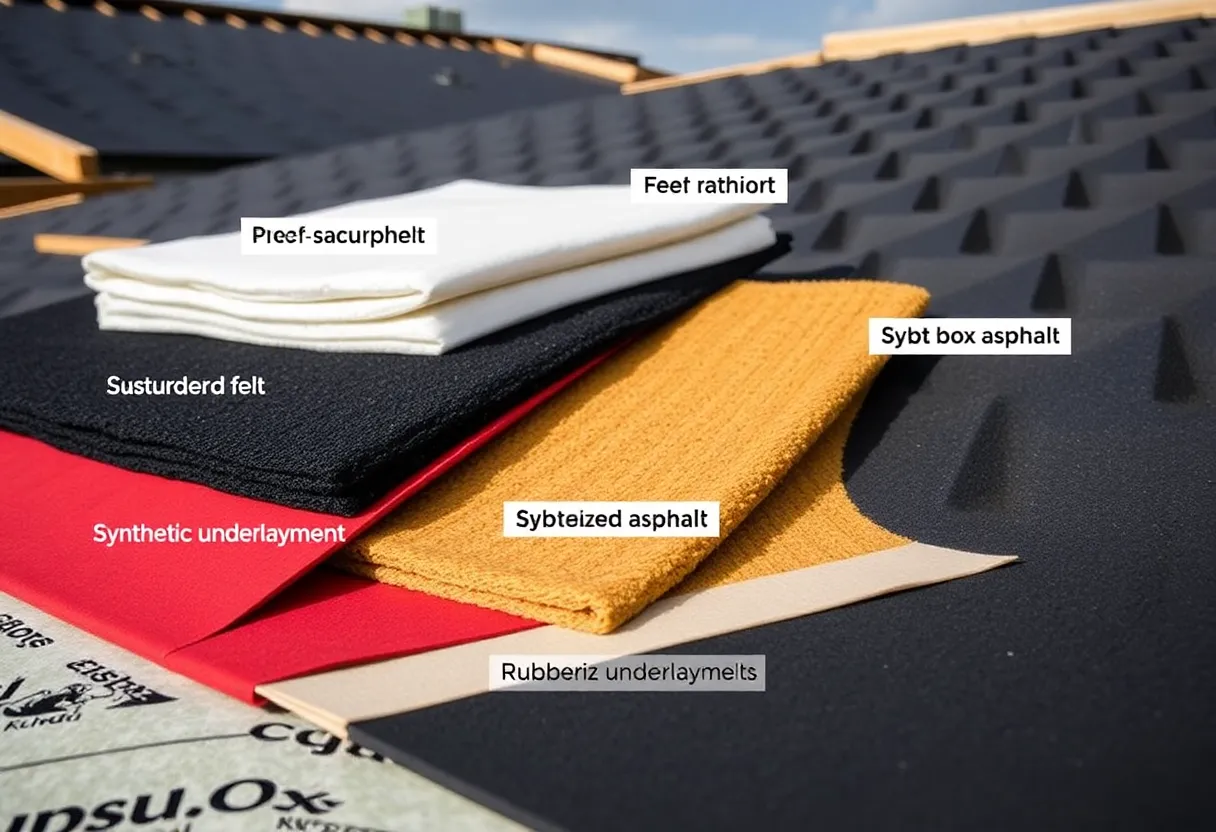
This traditional underlayment consists of fiberglass or organic felt that has been saturated with asphalt. It is available in various weights, with the heavier options providing increased durability. Advantages include:
- Cost-effective
- Proven performance over decades
- Easy to install
However, asphalt-saturated felt is more susceptible to moisture damage, which can shorten its lifespan, especially in humid climates.
2. Synthetic Underlayment
Synthetic underlayment is made from woven or non-woven polypropylene or polyethylene. This type offers several benefits:
- Lightweight and easy to handle
- High tear resistance
- More resistant to moisture and mold
Synthetic options often have a longer life expectancy compared to felt, making them suitable for various roofing materials, particularly steep-sloped roofs.
3. Rubberized Asphalt Underlayment
This premium underlayment contains asphalt modified with rubber polymers, offering exceptional waterproofing capabilities. Key benefits include:
- Superior protection against water leaks
- Self-sealing around fasteners
- Ideal for low-slope roofs
This type is often used in high-risk areas, such as regions prone to heavy rains, snow, or ice. While more expensive, the extra cost is often justified by the long-term protection it provides.
Key Considerations for Choosing Underlayment
1. Climate Conditions
The local climate significantly influences the performance of roof underlayment. Areas with frequent rainfall or snow require underlayment with higher waterproofing ratings. On the other hand, regions with intense heat may benefit from reflective underlayment.
2. Roof Slope
Low-slope roofs can trap water, making a high-performance underlayment essential. Rubberized asphalt underlayment is often recommended for these roofs due to its excellent moisture barrier. In contrast, steeply sloped roofs may utilize synthetic or asphalt-saturated felt.
3. Roofing Material Compatibility
Different roofing materials have specific requirements for underlayment. Asphalt shingles often pair well with felt, while metal and tile roofs may perform better with synthetic options. Always ensure compatibility for optimal performance.
4. Cost vs. Longevity
Initially, opting for a lower-cost underlayment can seem appealing. However, consider the long-term consequences. Investing in high-quality materials can yield significant savings by reducing the need for repairs or replacements in the future.
Installation Tips
1. Follow Manufacturer Guidelines
Each underlayment type comes with specific installation instructions. Adhering to these guidelines is crucial for maximizing their performance and warranty coverage. Additionally, ensure the underlayment is compatible with the chosen roofing material.
2. Overlap Properly
When installing underlayment, proper overlap is essential. Typically, a 4-inch overlap horizontally and a 6-inch overlap vertically is recommended. This overlap helps prevent water infiltration, especially during heavy rains.
3. Secure with Appropriate Fasteners
Using the right fasteners is vital to secure the underlayment effectively. Choose fasteners that are compatible with both the underlayment and the roofing material. Avoid using staples, as they can rust and lead to leaks over time.
Conclusion
Choosing the right roof underlayment is critical for enhancing the performance and longevity of the roofing system. With options ranging from asphalt-saturated felt to advanced rubberized asphalt, understanding the advantages and drawbacks of each allows homeowners to make an informed decision. Consider factors such as climate, roof slope, and roofing material compatibility while glancing towards the future costs and benefits. Proper installation is equally important, ensuring that the underlayment performs optimally over the years. By prioritizing these considerations, homeowners can ensure their roofs are well-protected against the elements.

 Mays Contracting