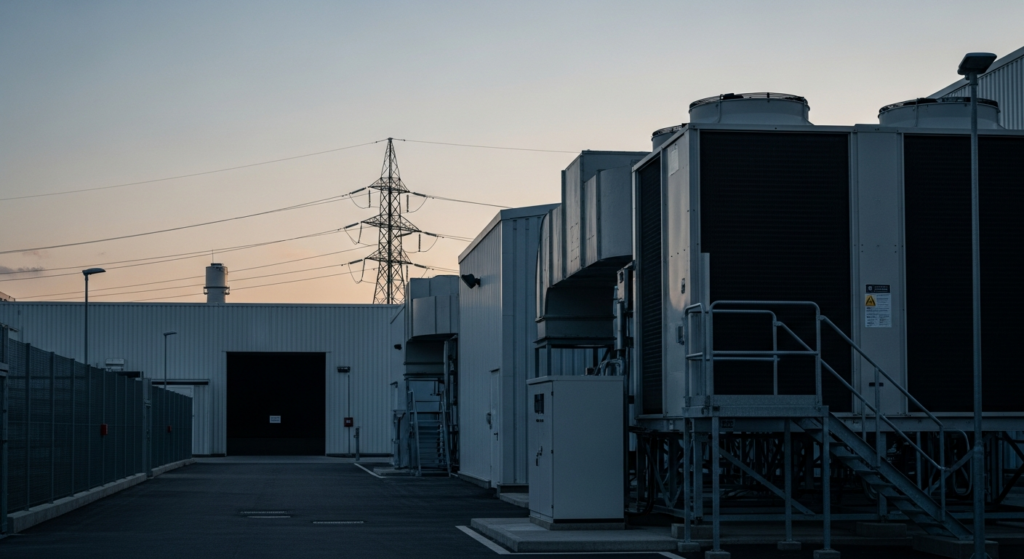
Across the nation, the burgeoning demand for artificial intelligence infrastructure is fundamentally reshaping the landscape of energy planning and hardware development. The focus in the technology sector has increasingly shifted from the availability of advanced processing chips to the more foundational challenge of securing sufficient and reliable electrical power to run the vast data centers that underpin AI operations.
This pivot highlights a critical bottleneck: power, rather than silicon, is now seen as the primary constraint on AI expansion. The computational intensity of AI models, coupled with the extensive cooling systems required to maintain server farms, translates into an insatiable demand for electricity. These facilities can consume as much power as small cities, placing unprecedented strain on existing electrical grids and demanding substantial, long-term investments in energy generation, transmission, and distribution infrastructure.
Concerns are mounting nationally regarding the potential for AI data centers to threaten grid reliability. The sheer scale and constant uptime requirements of these operations necessitate a robust and stable power supply, pushing utility companies to accelerate planning for grid equipment upgrades and capacity expansion. This planning often involves multi-year horizons, contrasting with the rapid pace of technological advancement in AI itself.
For Newberry, a community with a robust manufacturing backbone, these national trends carry distinct local implications. Major employers such as Kraft Heinz, Samsung Electronics America, Georgia-Pacific, Komatsu America, Pioneer Frozen Foods, Valmont Composite Structures, and Daeyoung Electronics are cornerstones of the local economy. These facilities, engaged in diverse operations from food processing to advanced electronics manufacturing, are already significant consumers of electricity. Their continued operation and potential expansion depend critically on a stable and reliable power grid.
The prospect of new, power-intensive industries, including those supporting AI infrastructure, could introduce additional complexities to Newberry’s energy landscape. Attracting such businesses, or even supporting the growth of existing ones, will increasingly hinge on the capacity and resilience of the local power infrastructure. This requires proactive engagement from local leadership and utility providers to ensure that Newberry remains competitive for economic development.
City of Newberry officials, including Mayor Foster Senn and City Manager Jason Taylor, alongside the Newberry County Council, led by Chair Robert Shealy, are tasked with fostering an environment conducive to both current industrial stability and future growth. Strategic energy planning, which considers the long-term demands of a modern economy, becomes paramount. This includes assessing the existing grid’s capacity, identifying potential areas for upgrades, and exploring diversified energy sources to enhance reliability.
The hardware component of AI infrastructure also resonates in Newberry. While the city may not be a hub for cutting-edge AI chip fabrication, the presence of companies like Samsung Electronics America underscores Newberry’s role in the broader electronics manufacturing ecosystem. The global demand for hardware to support AI extends beyond chips to include power delivery systems, cooling solutions, and networking equipment—all areas where manufacturing expertise is critical.
Ensuring grid reliability is not merely an economic concern; it is a matter of public welfare. Essential services provided by institutions such as Newberry County Memorial Hospital, Newberry College, and the School District of Newberry County rely on uninterrupted power. Any strain on the regional grid, whether directly from local AI data centers or indirectly from broader systemic pressures, could have ripple effects on healthcare delivery, educational continuity, and daily life for residents across Newberry and the wider Midlands region.
Why it matters in Newberry
The national shift towards prioritizing power infrastructure for artificial intelligence development has direct relevance for Newberry’s long-term economic stability and quality of life. For major employers like Samsung Electronics America and Kraft Heinz, consistent and affordable energy is non-negotiable for their manufacturing processes and continued investment in Newberry. Proactive energy planning by the City of Newberry and Newberry County Council, in collaboration with utility providers, is crucial to ensure the local grid can support both existing industrial giants and future economic development opportunities. The reliability of power directly impacts job security, the cost of doing business, and the ability of vital institutions like Newberry County Memorial Hospital to deliver essential services to the community, making robust energy infrastructure a foundational element of Newberry’s prosperity. This strategic foresight will be key to maintaining Newberry’s competitive edge and ensuring a stable environment for all its institutions and residents.
Section: More Newberry SC business news
Newberry business profiles
Filed under: Newberry SC Business News