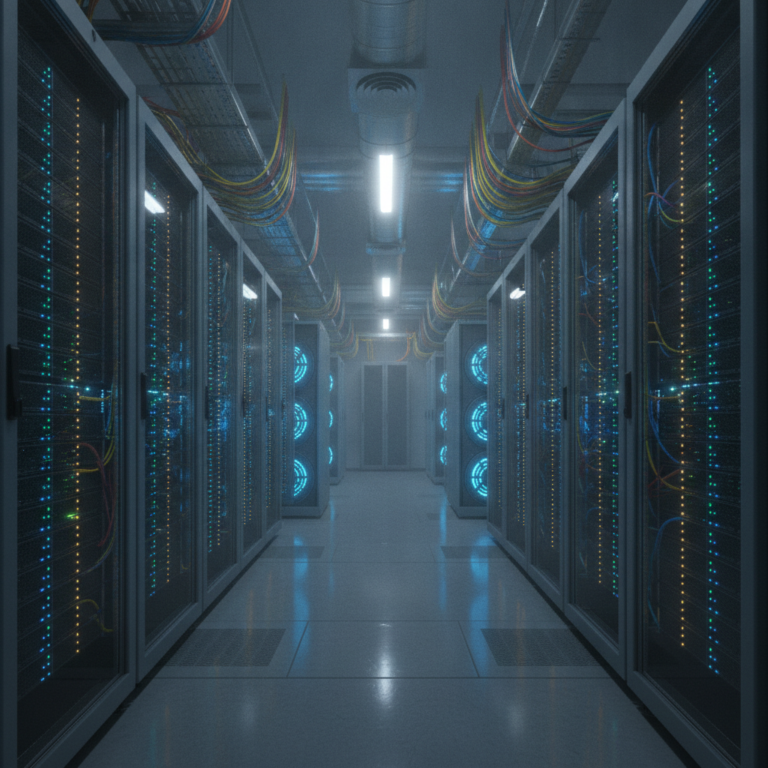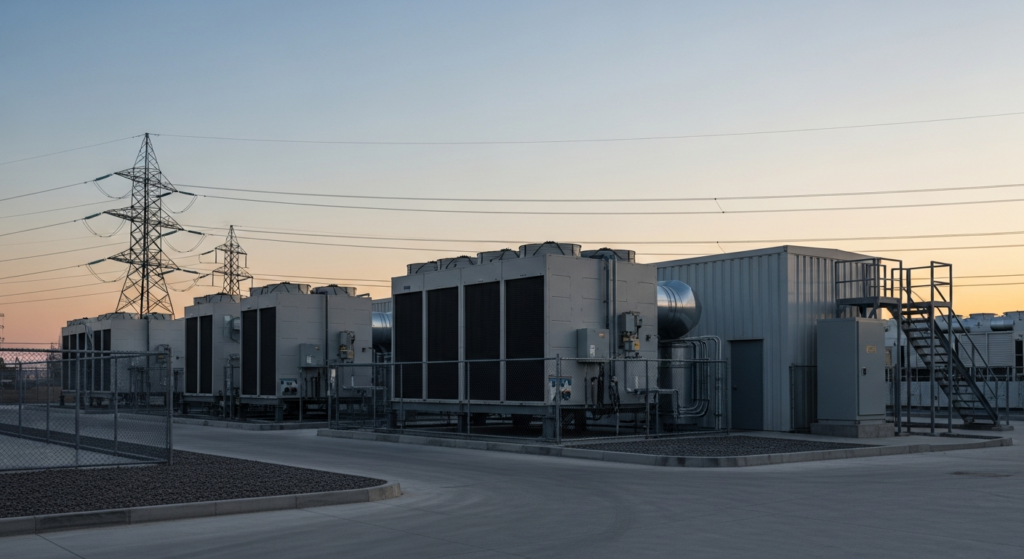
The rapid expansion of artificial intelligence capabilities is driving an unprecedented demand for data center capacity, increasingly highlighting electrical power as the critical constraint in the technology sector’s growth. What was once primarily a challenge of chip manufacturing and computing power has evolved into a complex equation centered on energy supply, grid stability, and the ability of existing infrastructure to support the next generation of digital innovation.
Industry analysts and utility providers across the nation are observing a significant shift in the focus of AI infrastructure development. While the initial phase of AI advancement concentrated on the design and production of more powerful processors, the sheer scale of energy required to operate vast networks of these processors in data centers has brought power generation and distribution to the forefront. This reorientation means that the availability of reliable, high-capacity electrical grids is now a paramount concern for technology companies and regional economic developers alike.
Data centers, which house the servers and networking equipment essential for AI operations, are voracious consumers of electricity. A single large-scale AI data center can demand as much power as a small city, and the proliferation of these facilities is placing immense pressure on aging electrical grids and existing power generation capacities. This surge in demand is not merely about having enough power, but also about the infrastructure to deliver it consistently and reliably, a challenge that requires substantial investment and long-term strategic planning.
The implications for grid reliability are significant. As more AI data centers come online, the potential for strain on local and regional power networks increases. This necessitates robust planning by utility companies and local governments to ensure that the existing grid can handle the increased load without compromising service to residential, commercial, and industrial customers. The lead time for building new power plants, upgrading transmission lines, and constructing new substations can span years, if not decades, making proactive infrastructure development crucial.
For communities such as Newberry, which boasts a robust manufacturing sector and critical institutions, these national trends underscore the importance of a stable and resilient power supply. Major employers in Newberry, including Kraft Heinz, Samsung Electronics America, Georgia-Pacific, and Komatsu America, rely heavily on consistent and affordable electricity to maintain their operations and competitiveness. Any widespread grid instability or significant increases in energy costs driven by broader AI demand could have ripple effects on these industrial anchors.
The conversation around AI’s energy footprint extends beyond just the immediate power supply. It also involves considerations for sustainable energy sources, the efficiency of data center cooling systems, and the overall environmental impact of a rapidly expanding digital economy. As the summer of 2026 progresses, discussions around these challenges are intensifying, with stakeholders exploring innovative solutions to meet the growing energy needs of AI while striving for environmental responsibility.
The long-term planning required to address these energy demands involves complex coordination between private industry, utility providers, and local and state government bodies. Decisions made today regarding energy policy, infrastructure investment, and zoning for industrial development will shape the economic landscape for years to come. The goal is to foster technological advancement without inadvertently creating new bottlenecks or compromising the reliability of essential services.
### Why it matters in Newberry
The national shift towards power as the primary bottleneck for AI infrastructure has direct relevance for Newberry, a city with a significant manufacturing presence and a commitment to economic growth. The operational stability of major employers like Kraft Heinz and Samsung Electronics America, which are vital to the local economy, depends on a consistent and reliable power supply. As demand for electricity intensifies across the nation, the City of Newberry and the Newberry County Council will need to consider these trends in their long-range infrastructure planning and economic development strategies to ensure the region remains attractive for industrial investment and that existing businesses can operate without interruption. Maintaining grid reliability is paramount for Newberry County Memorial Hospital and Newberry College, ensuring essential services and educational continuity for the community.