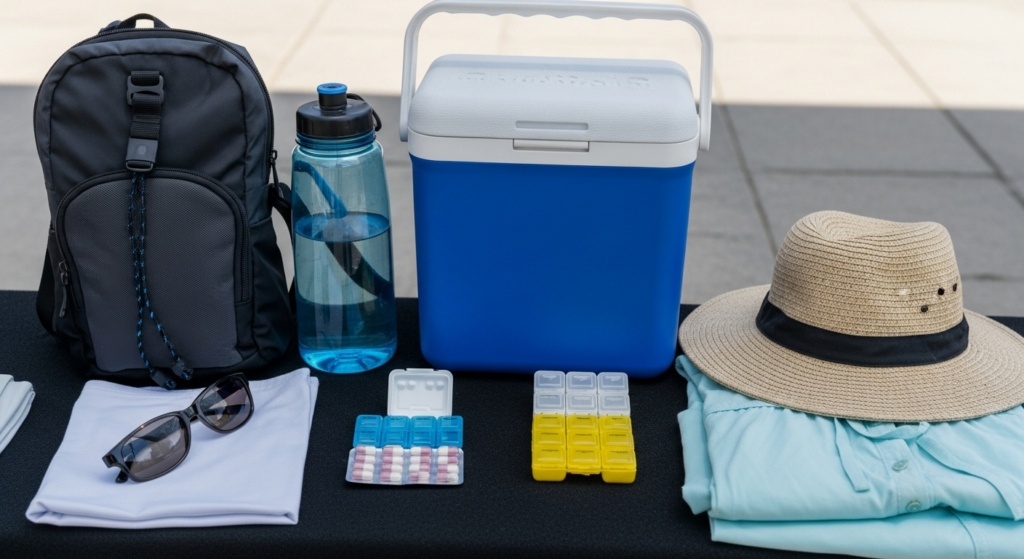
Health professionals in Newberry are underscoring the importance of proactive heat safety measures, particularly for individuals managing medications, as the region experiences its typical summer conditions. The guidance emphasizes critical precautions for individuals, outlining steps for hydration, symptom recognition, and careful planning during outdoor activities and daily errands.
Understanding how summer heat interacts with the body’s physiology is crucial, especially for those on prescription or over-the-counter medications. High temperatures can affect how the body processes drugs, potentially altering their effectiveness or increasing the risk of side effects. For instance, some medications can impair the body’s ability to regulate temperature, while others may increase fluid loss, exacerbating dehydration. It is important to consider factors such as medication storage, as extreme heat can degrade certain pharmaceutical compounds, rendering them less effective or even harmful.
Prioritizing hydration is a cornerstone of heat safety. Maintaining adequate fluid intake helps the body regulate its temperature and supports overall physiological function. Individuals should aim to drink water consistently throughout the day, even if they do not feel thirsty. Beverages containing caffeine or high sugar content can sometimes contribute to dehydration and should be consumed in moderation. For those engaging in strenuous outdoor activities, such as work at local industrial sites like Kraft Heinz or Samsung Electronics America, or recreational pursuits at Lynch’s Woods Park, electrolyte-replenishing drinks may be beneficial, but consultation with a healthcare provider is advised, especially for individuals with underlying health conditions.
Recognizing the early signs of heat-related illness is another vital component of staying safe. Symptoms can range from mild, such as muscle cramps, heavy sweating, and fatigue, to more severe indicators like dizziness, nausea, headache, and confusion. If these symptoms appear, individuals should immediately move to a cooler environment, rest, and rehydrate. If symptoms persist or worsen, or if an individual experiences a high fever, rapid pulse, or loss of consciousness, immediate medical attention is necessary. Newberry County Memorial Hospital is a local resource for urgent medical needs.
Careful planning for outdoor activities and errands can significantly mitigate risks. When possible, individuals should schedule outdoor tasks or exercise during the cooler parts of the day, typically early morning or late evening. Wearing lightweight, loose-fitting, and light-colored clothing can help reflect sunlight and allow for better air circulation. Seeking shade whenever possible and taking frequent breaks in air-conditioned environments are also recommended. For residents planning travel along corridors like I-26 or US-76, ensuring vehicles have functioning air conditioning and carrying ample water are prudent steps.
Ultimately, personal medical decisions, especially concerning medication adjustments or specific health concerns related to heat, should always be discussed with a qualified healthcare provider. Pharmacists can offer guidance on medication storage and potential interactions with heat, while physicians can provide tailored advice based on an individual’s complete medical history and current prescriptions. This proactive dialogue ensures that individuals receive accurate, personalized recommendations to navigate the summer safely and effectively.
### Why it matters in Newberry
The emphasis on heat safety and medication management holds particular significance for Newberry. With major employers such as Kraft Heinz and Samsung Electronics America operating in the area, ensuring the health and safety of the workforce, whether on site or commuting, is paramount. Additionally, institutions like Newberry College and the School District of Newberry County often host summer programs or activities, making these guidelines relevant for students, staff, and families. Newberry County Memorial Hospital serves as a critical local resource, and proactive measures can help reduce the strain on emergency services during peak summer heat, fostering a healthier and more resilient community across neighborhoods like Forest Ridge and College Hill.