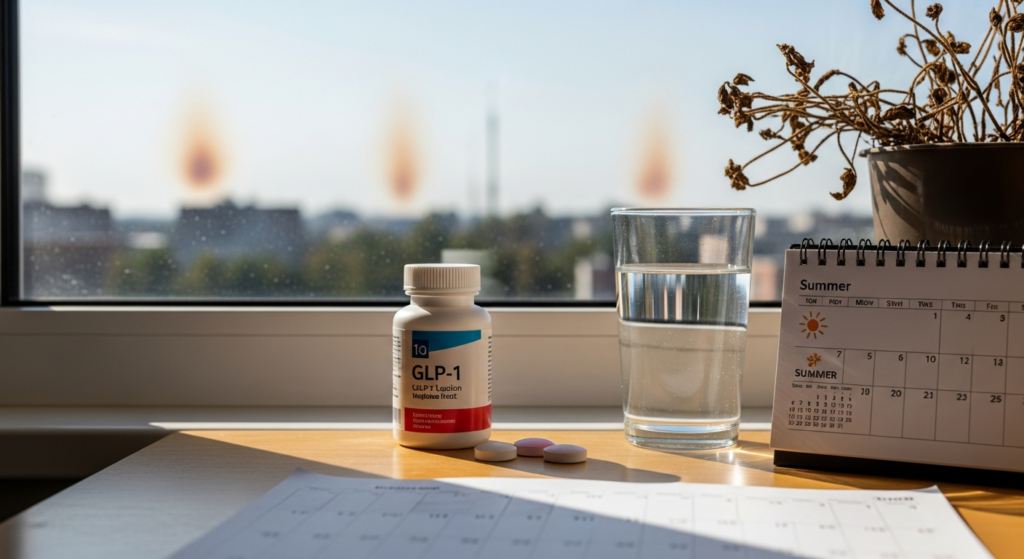
Doctors are issuing warnings to individuals using GLP-1 receptor agonists, a class of medications primarily prescribed for type 2 diabetes and weight management, to pay close attention to their hydration levels and watch for heat-related symptoms. The concern comes as summer temperatures continue to climb, increasing the general risk of dehydration.
GLP-1 receptor agonists, such as semaglutide and liraglutide, work by mimicking a natural hormone that helps regulate blood sugar and appetite. A key effect of these medications is to slow gastric emptying and reduce appetite, which can inadvertently lead to a decreased intake of fluids throughout the day. This reduced fluid intake, combined with the body’s natural response to hot weather, can elevate the risk of dehydration and related complications.
Medical and local health coverage have highlighted this summer safety concern, emphasizing the interplay between appetite suppression, fluid intake, and the demands of hot weather on the body. Symptoms of dehydration can include excessive thirst, fatigue, dizziness, and reduced urination. In severe cases, dehydration can lead to more serious heat-related illnesses, such as heat exhaustion or heatstroke.
Healthcare providers are advising patients on GLP-1 medications to proactively manage their fluid intake, even if they do not feel thirsty. They recommend consulting with a qualified clinician for personalized medical advice regarding hydration strategies and symptom monitoring. This guidance is particularly salient during the current summer season in Newberry, where residents are accustomed to prolonged periods of warm weather.
The general medical consensus underscores the importance of understanding how these medications interact with environmental factors. Patients should discuss any concerns about hydration or potential heat-related symptoms with their doctors to ensure their treatment plan remains safe and effective, especially as the region experiences typical summer conditions.
### Why it matters in Newberry
The warnings regarding GLP-1 users and dehydration are particularly relevant for the Newberry community, where many residents may be prescribed these medications for diabetes or weight management. Newberry County Memorial Hospital, a central healthcare provider in the area, serves as a critical resource for local patients. The hospital’s medical staff are equipped to provide guidance and care for individuals managing chronic conditions, including those on GLP-1 agonists. Ensuring that patients are well-informed about hydration risks during the summer months helps to reduce the burden on local emergency services and promotes overall public health in Newberry. Local clinicians can offer tailored advice to help patients navigate their medication regimens safely through the warmer season, preventing potential heat-related complications.