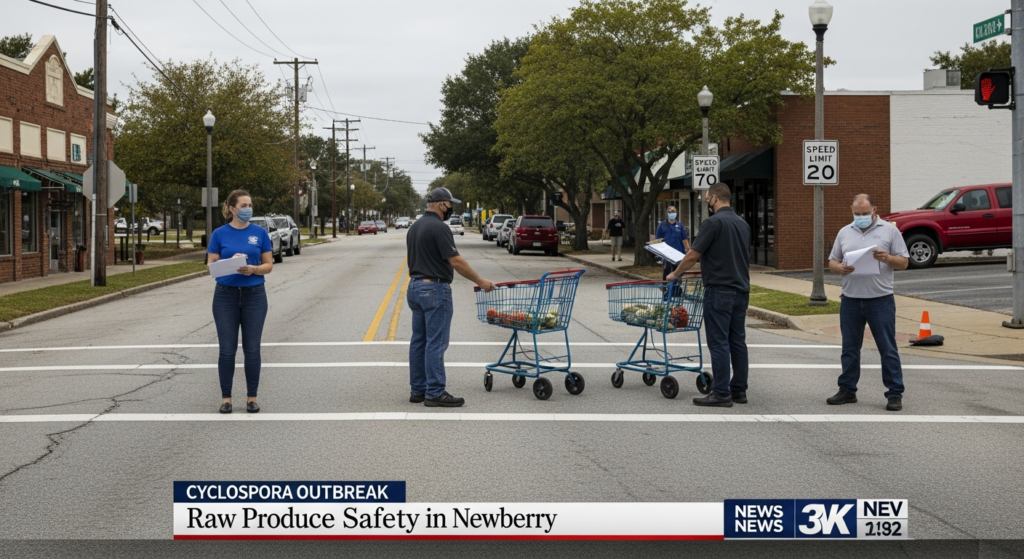
A multi-state cluster of Cyclospora infections has renewed attention on the critical importance of raw produce safety this summer, as health investigators continue their efforts to identify the source of contamination.
Cyclospora cayetanensis is a microscopic parasite that can cause cyclosporiasis, an intestinal illness characterized by watery diarrhea, loss of appetite, weight loss, stomach cramps, nausea, and fatigue. Symptoms can appear a week or more after consuming contaminated food or water. The parasite is typically spread when people ingest food or water contaminated with feces containing the parasite. Fresh produce, particularly imported varieties, has frequently been implicated in past outbreaks due to complex supply chains and handling processes.
Health authorities have described multi-state illness reports, highlighting the inherent difficulty in tracing the origin of produce-related parasitic exposures. Unlike bacterial contaminants that can sometimes be identified quickly, Cyclospora outbreaks often present a challenge for investigators due to the parasite’s life cycle and the broad distribution networks for fresh fruits and vegetables. The current investigation underscores the ongoing need for robust food safety practices at every stage, from farm to table.
While there have been no specific reports of Cyclospora cases originating directly within Newberry, the broader public health alert serves as a reminder for residents and food establishments in the area. The general guidance from health officials emphasizes thorough washing of all raw produce under running water, even items labeled as pre-washed. Consumers are also advised to separate raw produce from other foods, such as raw meat, poultry, and seafood, to prevent cross-contamination. For certain types of produce, cooking can eliminate the parasite, though many fruits and vegetables are consumed raw.
Food safety experts note that while consumers play a role in safe handling, the primary responsibility for preventing contamination lies with producers and distributors. However, vigilance in preparation and storage remains a key defense for households and food service operations. The current summer season, with its increased consumption of fresh salads and fruits, naturally brings a heightened focus on these precautions.
### Why it matters in Newberry
Even without confirmed local cases, a multi-state public health concern like the Cyclospora cluster has tangible implications for Newberry. Local grocery stores and farmers’ markets, which supply fresh produce to households across the city, are part of a national and international food supply chain that can be affected by such outbreaks. Newberry County Memorial Hospital serves as a central healthcare provider for the community and would be on the front lines of any local public health response or surveillance efforts related to foodborne illnesses. The ongoing focus on raw produce safety reinforces the importance of diligent practices for all residents and food service establishments, ensuring the well-being of the entire Newberry community.