
How Can You Successfully Transform Your Roof into a Green Energy Hub?
Introduction
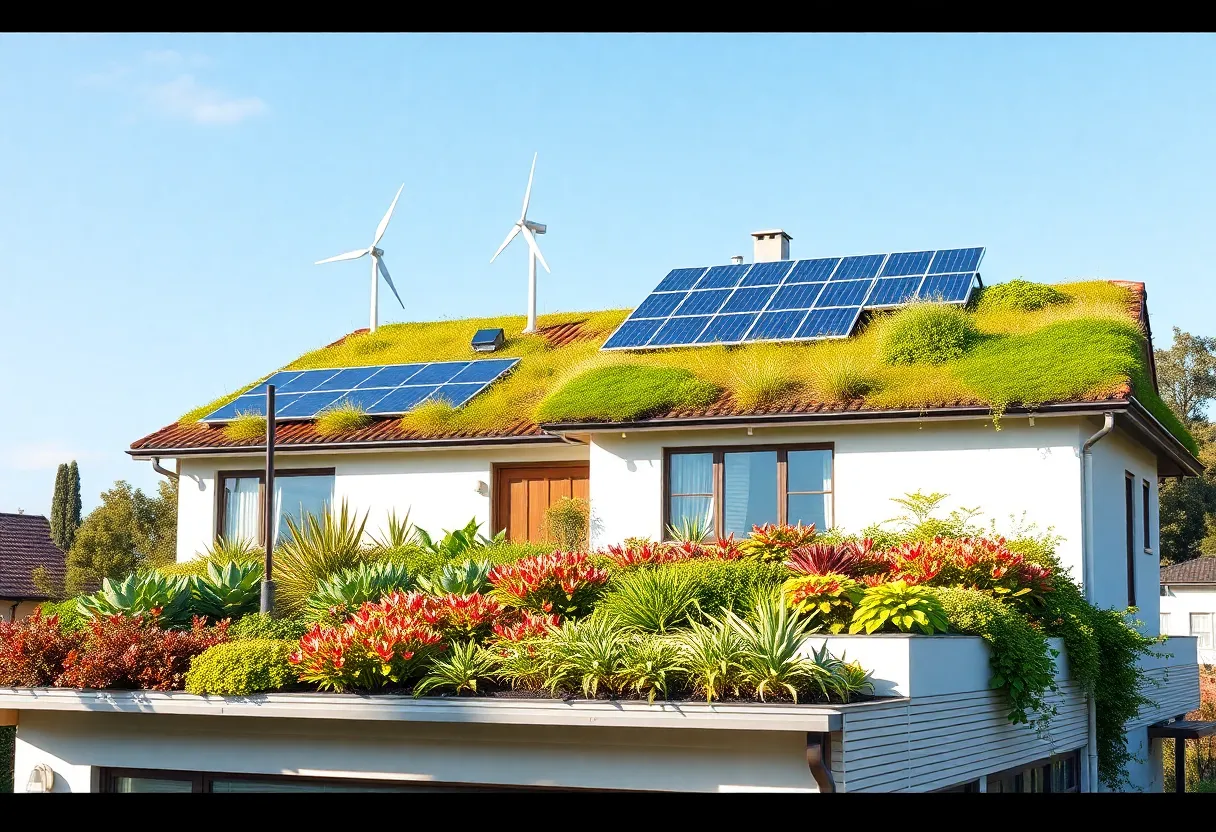
The increasing urgency for sustainable living has driven homeowners to explore innovative energy solutions. Transforming your roof into a green energy hub not only reduces your carbon footprint but also enhances energy efficiency. It can be a crucial step toward environmental sustainability while providing financial incentives in the long run.
Understanding Green Energy Solutions
Before initiating the transformation, it is vital to understand what constitutes green energy. Green energy typically refers to energy harvested from renewable sources. These include:
- Solar energy
- Wind energy
- Green roofs
- Rainwater harvesting systems
1. Solar Panels
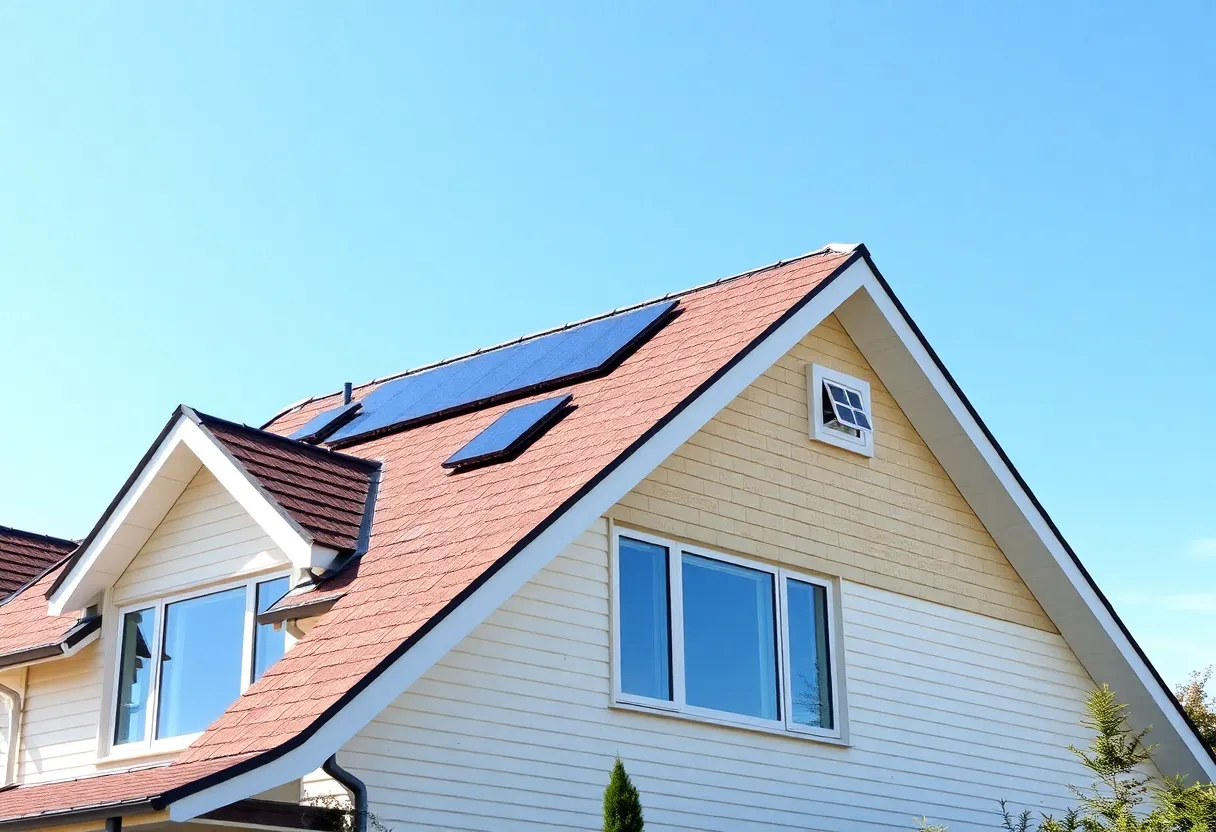
One of the most common methods to turn a roof into a green energy hub is by installing solar panels. Solar photovoltaic systems convert sunlight into electricity, which can either be used for personal needs or fed back into the grid. Key considerations when installing solar panels include:
- Roof orientation: South-facing roofs usually yield the best solar production.
- Shade assessment: Ensuring minimal shading from trees or other buildings maximizes efficiency.
- Panel type: Choose between monocrystalline, polycrystalline, or thin-film panels based on efficiency and budget.
2. Wind Turbines
For regions with adequate wind speed, small wind turbines can be an effective addition. These turbines generate electricity by harnessing wind power. Installation requires sufficient clearance above nearby structures and obstacles. Considerations include:
- Height regulations: Ensure compliance with local zoning laws.
- Noise impact: Assess potential noise generation impacting your neighborhood.
- Wind availability: Evaluate the average wind speed in your area for potential feasibility.
Integrating a Green Roof
A green roof involves creating a living space that supports vegetation growth. This not only enhances aesthetics but also provides insulation and absorbs rainwater. Implementing a green roof requires careful planning:
- Structural integrity: Ensure your roof can support the additional weight of soil and plants.
- Plant selection: Opt for native and drought-resistant plants to minimize water usage.
- Maintenance considerations: Plan for the ongoing maintenance required to keep plants healthy.
Rainwater Harvesting Systems
Installing a rainwater harvesting system on your roof can further enhance its green credentials. This system captures rainwater for irrigation or non-potable use. Steps to consider include:
- Gutter system: Ensure that your roof gutters are in good condition.
- Storage tanks: Decide on the size and location for the tanks to hold captured water.
- Filtration systems: Implement filters to ensure the water is usable for its intended purpose.
Energy Management Systems
To fully realize the capabilities of your green energy hub, employing an energy management system (EMS) is advisable. This technology helps monitor and control energy use. An effective EMS includes:
- Monitoring tools: Real-time data on energy production and consumption.
- Smart thermostats: Adjusts heating and cooling based on energy availability.
- Load management: Distributing energy usage to times of lower demand.
Incorporating Battery Storage
Battery storage systems allow homeowners to store excess energy generated by solar panels or wind turbines. This is especially valuable for off-peak usage. Key points to consider include:
- Battery type: Lithium-ion batteries are popular for their efficiency and lifespan.
- System integration: Ensure your battery system integrates seamlessly with your existing energy solutions.
- Capacity planning: Size your battery system based on energy consumption needs.
Government Incentives and Rebates
Many governments offer financial incentives for homeowners who pursue green energy initiatives. These can come in the form of tax credits, rebates, or grants. Research local programs to take advantage of available funding options. Important aspects to consider:
- Eligibility criteria: Understand the qualifications to access available funds.
- Documentation: Maintain thorough records of expenses for rebate claims.
- Program renewals: Check periodic updates for change in policies.
Professional Installation vs. DIY
While some components might be amenable to DIY installation, professional installation guarantees efficiency and safety. Evaluate the complexity and risk associated with each project component. Important factors to consider:
- Skill level: Assess your own capabilities before embarking on a DIY project.
- Cost vs. benefit: Analyze long-term benefits derived by opting for professional help.
- Warranty and support: Professionals often provide warranties that DIY may lack.
Long-Term Management and Maintenance
Successful transformation into a green energy hub involves ongoing management. Regular maintenance extends the lifespan of all installed systems, ensuring optimal performance. Maintenance tips include:
- Routine inspections: Conduct periodic checks on panels and wind turbines.
- Cleaning: Remove debris from solar panels and gutters to ensure maximal energy production.
- End-of-life planning: Be prepared for eventual upgrades or replacements of old systems.
Conclusion
Transforming your roof into a green energy hub is an ambitious yet achievable goal, combining various renewable energy solutions into a cohesive system. By carefully considering installation options, management practices, and ongoing maintenance, homeowners can pave the way for a more sustainable future, reduce energy costs, and contribute positively to the environment. The time to invest in your energy future is now, leveraging innovative technology and sustainable practices to create a significant impact.

 Mays Contracting