
How Do I Know If My Roof Is Energy Efficient?
Understanding Roof Energy Efficiency
Energy efficiency is a crucial aspect of modern roofing, playing a significant role in home comfort and energy bills. An energy-efficient roof minimizes the amount of energy required for heating and cooling, ultimately leading to cost savings and a reduced environmental footprint.
Key Indicators of Roof Energy Efficiency
1. Insulation Quality
The effectiveness of insulation is the first indicator of roof energy efficiency. High-quality insulation minimizes heat transfer, keeping homes warmer in winter and cooler in summer. Look for insulation materials with a high R-value, as they provide better thermal resistance.
2. Roof Material
The choice of roofing material heavily influences energy efficiency. Some materials reflect solar energy, reducing heat absorption and lowering cooling costs. Burdening less energy to cool your home signifies a roof that is energy efficient. Look for materials like:
- Metal roofing with reflective coatings
- Tile roofs that are naturally insulating
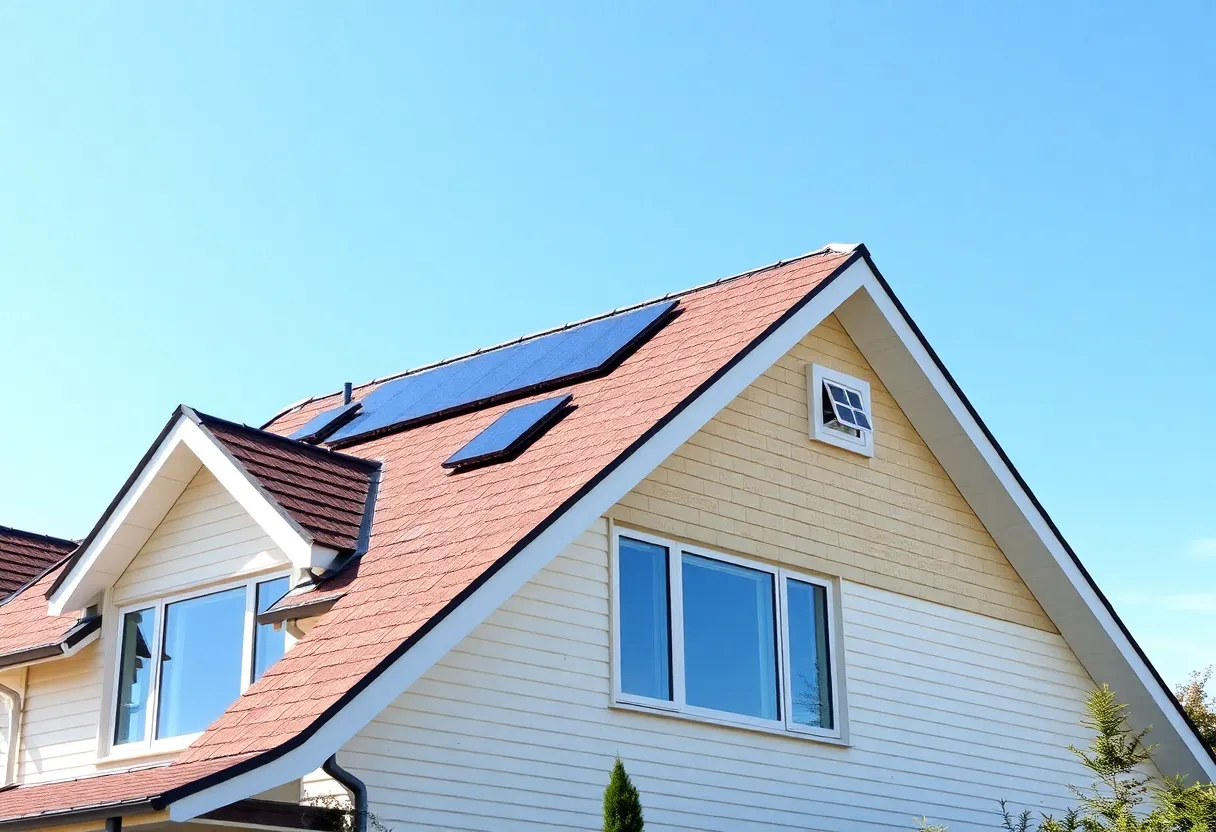
- Solar shingles designed to produce energy
3. Roof Color
The color of your roof can also affect energy efficiency. In warmer climates, light-colored roofs reflect more sunlight, which keeps the house cooler. Dark roofs absorb heat, which can lead to higher cooling costs. Consider the climate in your area when evaluating your roof color.
4. Ventilation Systems
Proper roof ventilation is essential for energy efficiency. An effective ventilation system allows hot air to escape, reducing the workload on your air conditioning system. Look for:
- Intake vents located near the eaves
- Exhaust vents at the peaks of the roof
- Roof ridge vents that run along the ridge line
Evaluating Roof Performance
Conducting a Reflective Performance Test
To assess the energy efficiency of your roof, perform a reflective performance test. This can be as simple as observing how hot the roof surface feels during peak sun hours. A roof that remains relatively cool in direct sunlight likely has good reflective properties.
Monitoring Energy Bills
One of the most tangible ways to gauge energy efficiency is to monitor your energy bills. A significant drop in energy expenses after roofing improvements indicates a successful investment in energy efficiency. Keep an organized record of bills for at least a year for accurate comparisons.
Additional Factors Influencing Energy Efficiency
1. Roof Age
The age of your roof substantially influences its energy efficiency. Older roofs may have worn out materials and decreased insulating properties. If your roof is nearing the end of its lifespan, consider replacing it with more energy-efficient options.
2. Maintenance Practices
Regular roof maintenance is key to maximizing energy efficiency. Inspecting for and repairing leaks, cleaning gutters, and trimming overhanging trees can significantly improve overall performance. Be proactive to avoid the pitfalls of neglect.
3. Installation Quality
The installation process affects energy efficiency. Poor installation can lead to air leaks, less effective insulation, and inadequate ventilation. Always hire experienced professionals to ensure a high-quality installation that meets energy efficiency standards.
In Conclusion: Assessing Your Roof’s Energy Efficiency
Understanding energy efficiency in roofing entails assessing various factors, including insulation quality, roofing materials, color, ventilation systems, and maintenance practices. By conducting thorough evaluations and cost monitoring, homeowners can determine the level of energy efficiency their roof provides.
Investing in an energy-efficient roof not only helps in reducing monthly energy bills but also contributes to a more sustainable living environment. Take the time to analyze your roof’s performance and consider upgrades that can lead to significant long-term savings.

 Mays Contracting