

How to Successfully Waterproof Your Roof: Essential DIY Techniques for Homeowners
Your roof is your home’s primary defense against the elements. A well-maintained, waterproof roof not only shields your home from adverse weather but also extends its lifespan. This article explores effective DIY techniques to waterproof your roof successfully, equipping you with the knowledge you need as a homeowner.
Understanding Roof Waterproofing
Waterproofing involves applying materials that prevent water penetration. Depending on the roof type, various methods and materials exist to achieve optimal waterproofing. Understanding your roof’s structure and materials is crucial for successful waterproofing.
Identifying Your Roof Type
Before you begin, determine your roof type. Common types include:
- Flat Roofs: These require specific waterproofing techniques due to their minimal slope.
- Pitched Roofs: Often easier to waterproof and maintain due to better water drainage.
- Metal Roofs: Known for their longevity but still require adequate sealing.
Essential DIY Waterproofing Techniques
Regular Inspection
Start with regular inspections. Identify any existing issues like damaged shingles, broken tiles, or cracks. Look for mold and moss, as their presence often indicates moisture problems. Inspections should occur at least twice a year, preferably in spring and fall.
Cleaning Your Roof
Debris can trap moisture, leading to water damage. Begin by cleaning your roof with a hose, ensuring water flows off adequately. Use a soft brush to remove accumulated debris, algae, and leaves. For tough stains, consider a roof cleaning solution—but follow safety guidelines carefully.
Applying Roofing Sealant
A high-quality roofing sealant can significantly enhance your roof’s waterproofing. Follow these steps:
- Choose the right sealant based on your roof material (e.g., silicone, acrylic).
- Inspect for cracks and openings; fill these with a caulk or sealant appropriate for your surface.
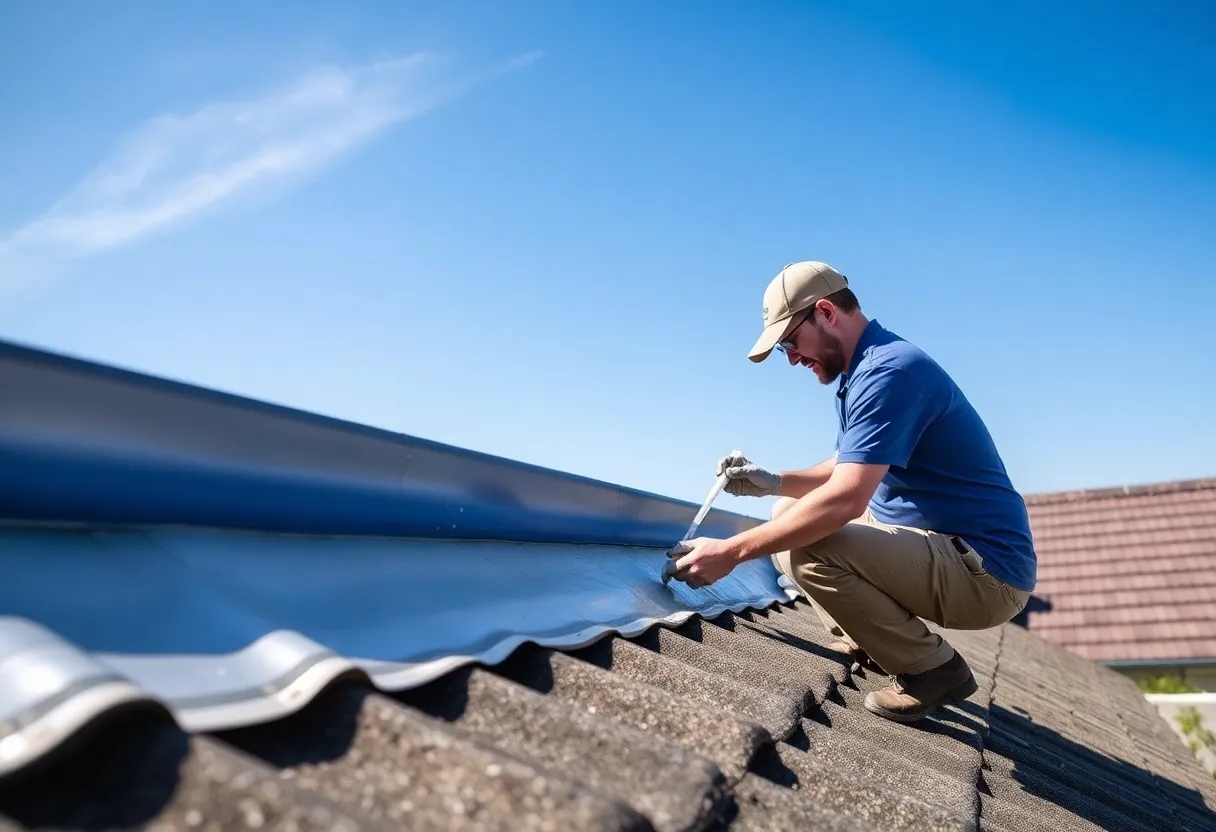
- Apply sealant evenly across the roof surface, focusing on seams and joints.
Installing a Waterproof Membrane
A waterproof membrane provides an additional layer of protection. Here’s how to install it:
- Select a membrane suited for your roof type, with consideration toward longevity and flexibility.
- Clean the surface thoroughly before application.
- Cut the membrane to size, ensuring a slight overlap at the seams.
- Secure the membrane using roofing adhesive or mechanical fasteners.
Considerations for Membrane Installation
Temperature plays a crucial role in membrane application. Ensure the weather is dry and warm for optimal adhesion. Always check the manufacturer’s instructions for specific application methods.
Proper Attic Ventilation
Good attic ventilation prevents moisture buildup. Inadequate airflow can cause condensation that leads to leaks and mold. Ensure vents are clear and working properly:
- Install soffit vents for passive airflow.
- Consider ridge vents to allow warm air to escape.
Long-term Maintenance Practices
Gutter Cleaning
Clogged gutters divert water, causing pooling on the roof. Clean your gutters at least twice a year to ensure proper drainage. Install gutter guards to minimize debris accumulation.
Inspect Flashings
Flashings are critical components that redirect water away from joints and seams. Regularly examine your flashings for rust or damage. Reseal or replace them as necessary to maintain their effectiveness.
Addressing Tree Overhangs
Overhanging branches can cause damage and trap moisture. Trim any branches that are too close to your roof. This not only reduces debris but also minimizes the risk of wear and tear on roofing materials.
Before Seeking Professional Help
While DIY techniques can effectively waterproof your roof, some issues require professional intervention. If you encounter significant damage, volume leaks, or structural concerns, consult a professional. They can provide comprehensive inspections and offer solutions tailored to your specific situation.
Conclusion
Waterproofing your roof is a vital process that protects your home from water damage. Through regular inspections, cleaning, and proper application of sealants and membranes, you can significantly enhance your roof’s longevity. Remember that long-term upkeep is essential for maintaining your roof’s integrity. Prioritize these techniques, and your home will benefit from a robust, resilient roof for years to come.
By committing to these practices, you’re not just safeguarding your structure; you’re also enhancing your property’s value. An effective waterproof roof is a sound investment for any homeowner.

 Mays Contracting