
How to Choose the Right Roofing System for Your Home’s Energy Needs
Selecting the appropriate roofing system is crucial for optimizing energy efficiency in your home. A well-chosen roof not only protects your investment but also plays a vital role in regulating indoor temperatures, impacting heating and cooling costs. This guide delves into key factors that influence the selection of a roofing system tailored to your energy needs.
Understanding Energy Efficiency in Roofing
Energy efficiency in roofing refers to a roof’s ability to reflect sunlight, insulate the home, and reduce energy consumption. When evaluating roofing options, several performance metrics should be considered. These include:
- Solar Reflectance: The ability of a material to reflect sunlight.
- Thermal Emittance: The ability of a material to radiate absorbed heat.
- Insulation R-Value: The effectiveness of a material in preventing heat transfer.
Different Roofing Materials and Their Energy Properties
Various roofing materials exhibit distinct energy efficiency characteristics. Understanding these properties can guide homeowners in selecting the suitable option.
1. Asphalt Shingles
Asphalt shingles are a popular choice due to their cost-effectiveness and ease of installation. While traditional asphalt shingles have moderate reflective qualities, **cool asphalt shingles** are available. These improved versions incorporate reflective granules that can enhance solar reflectance, helping to keep homes cooler in hot weather.
2. Metal Roofing
Metal roofing is known for its longevity and superior energy efficiency. It boasts high solar reflectance and thermal emittance. Additionally, its sleek design allows for effective rainwater runoff. Communities in warmer climates can benefit from metal roofing’s energy-efficient properties, which can result in lower cooling costs.
3. Tile Roofing
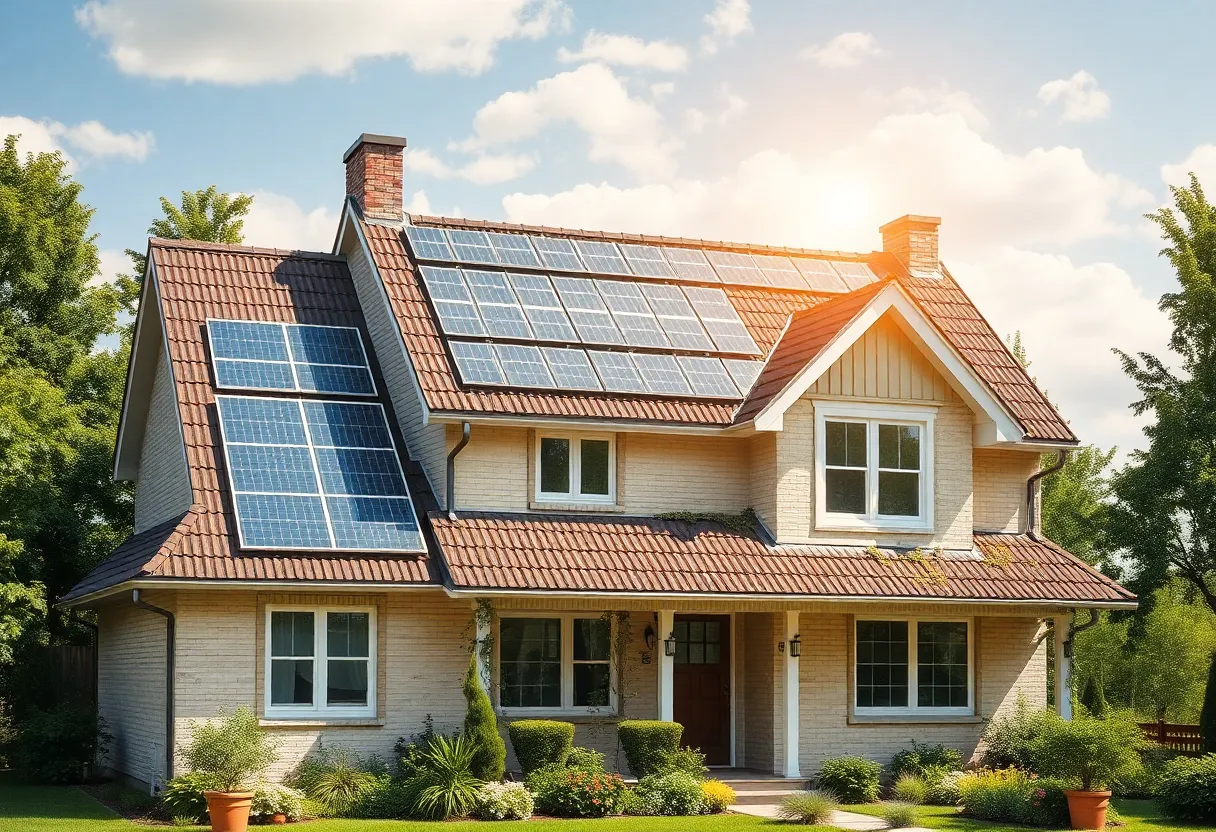
Tile roofing, often made of clay or concrete, is another energy-efficient option. Its thick structure provides excellent insulation. Furthermore, tiles can be naturally reflective, aiding in lowering indoor temperatures. However, the weight of tile roofs may require additional structural support, potentially increasing installation costs.
4. Slate Roofing
Slate is renowned for its beauty and durability. It offers outstanding insulation properties, which can be beneficial for managing energy consumption. However, slate roofing can be one of the more expensive options, so cost versus energy savings should be carefully evaluated.
5. Green Roofs
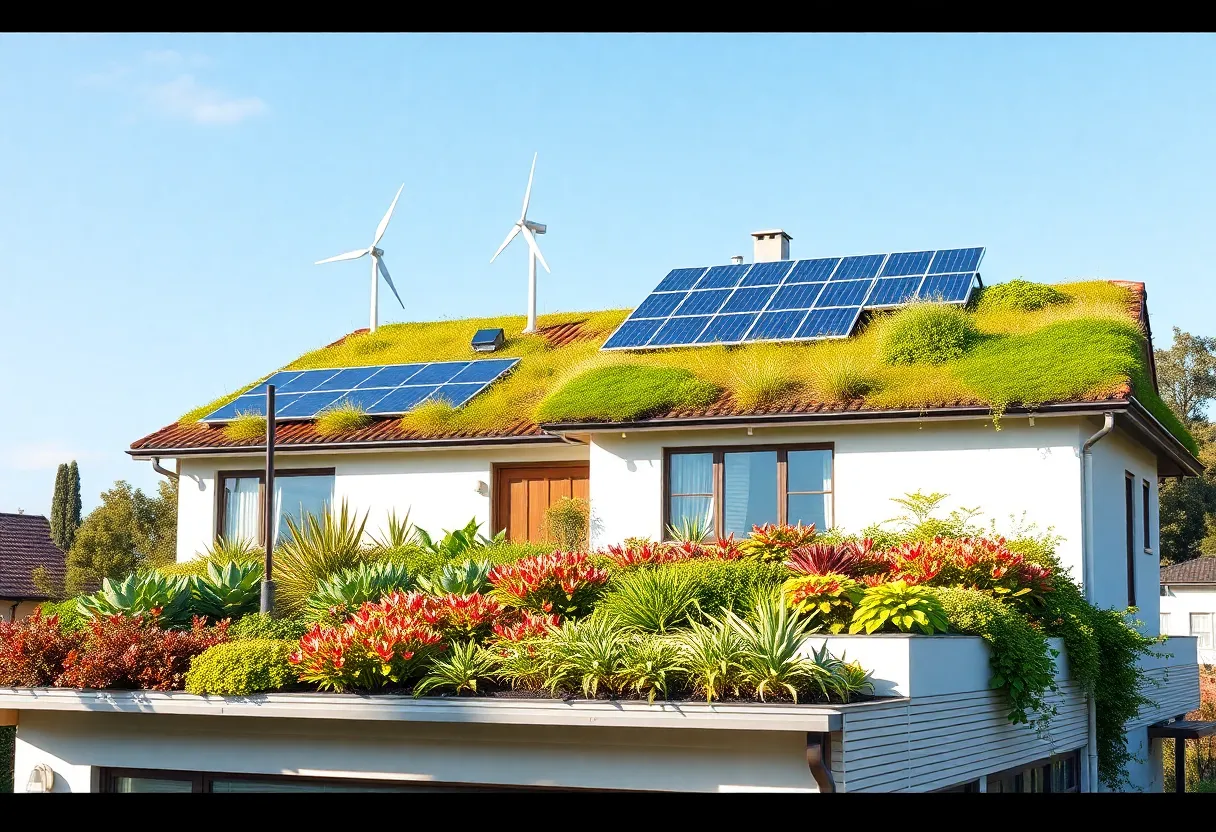
Green roofs consist of vegetation planted on a waterproof membrane. Apart from providing insulation, they reduce heat absorption, enhancing energy efficiency. These roofs can also contribute to stormwater management and improve air quality but may require a higher initial investment and maintenance.
Considerations for Climate and Location
The geographic region and local climate significantly impact roofing performance. Here are factors to consider based on climate:
1. Hot Climates
In regions with hot climates, choosing a roofing system that maximizes solar reflectance is ideal. Lighter-colored materials and coatings can minimize heat absorption. Metal roofs are also a highly suitable option due to their excellent reflective properties.
2. Cold Climates
In colder climates, roofing systems with high insulation values are vital. Materials that retain heat, such as slate or tile, can provide significant energy savings. Additionally, homeowners should consider adding insulation beneath the roofing material for optimal performance.
3. Coastal Areas
Coastal areas face unique challenges like high winds and salt exposure. Durable materials such as metal or tile can withstand harsh conditions while maintaining energy efficiency. It’s essential to consider wind resistance ratings and corrosion resistance when selecting materials.
Roofing Installation and Alignment with Energy Needs
Proper installation is crucial for maximizing a roofing system’s energy efficiency. Inquire about the contractor’s experience and credentials, ensuring they understand energy-efficient practices. Moreover, consider these installation factors:
1. Insulation
Proper insulation can significantly enhance a roofing system’s energy efficiency. Evaluate the current insulation of your home; it might be necessary to upgrade it during the roofing project. A well-insulated roof prevents heat loss in winter and keeps your home cool in summer.
2. Ventilation
Installing adequate ventilation helps regulate indoor temperatures and reduces moisture buildup, leading to a prolonged roof lifespan. A well-ventilated attic is vital for energy efficiency, especially in hot climates.
3. Roof Orientation
The orientation of your roof can influence energy efficiency. South-facing roofs receive more sunlight, making them ideal for solar panels. The orientation may also affect how heat enters your home, impacting energy consumption.
Energy Codes and Regulations
Familiarize yourself with local energy codes and regulations. These guidelines may impact your choice of materials and installation practices. Compliance with energy codes ensures that your roofing system meets energy-efficient standards and can potentially qualify you for energy rebates or incentives.
Evaluating Long-Term Savings
Selecting an energy-efficient roofing system involves more than just the initial cost. Evaluate long-term savings associated with energy consumption. Consider these aspects:
1. Energy Savings
Calculate potential energy savings over time based on energy efficiency ratings. Energy-efficient roofs can lead to significant reductions in heating and cooling bills, often justifying higher upfront costs.
2. Maintenance Costs
Different materials have varying maintenance needs. Assess the long-term maintenance costs associated with your roofing choice. Options like metal roofing typically require less maintenance than others, potentially resulting in cost savings over time.
3. Lifespan of Materials
The lifespan of your roofing material impacts total cost. Materials like slate and metal roofs often have longer lifespans, which can distribute costs over multiple decades compared to asphalt shingles that may need replacement sooner.
Conclusion
Choosing the right roofing system for your home’s energy needs is a critical decision that involves evaluating materials, climate, installation, and long-term savings. By considering these factors, homeowners can optimize energy efficiency, reduce costs, and enhance their home’s value.
Investing time into understanding and selecting the appropriate roofing system tailored to your energy requirements can lead to significant benefits in comfort, affordability, and sustainability. Always consult with experienced professionals to ensure that every decision aligned with energy efficiency and local regulations.

 Mays Contracting