

How to Protect Your Roof from Pests: Essential DIY Strategies for Homeowners
Protecting your roof is essential for maintaining the integrity of your home. Pests, including insects and rodents, can cause significant damage if left unchecked. This article provides practical strategies to safeguard your roof from these unwelcome intruders.
Understanding the Risks
Different types of pests pose unique threats to roofs. Insects like ants, termites, and wasps can exploit weaknesses in roofing material. Rodents, such as rats and squirrels, are also notorious for breeding in attics and damaging insulation and roofing structures.
Signs of Pests on Your Roof
Identifying pest infestations early is crucial. Common signs include:
- Damaged shingles: Look for missing or broken shingles.
- Debris buildup: Twigs, leaves, and nests on your roof may indicate pest activity.
- Droppings: Signs of rodent droppings near vent openings or gutters.
- Noise: Scratching or chirping sounds can suggest animal presence.
Essential DIY Strategies to Protect Your Roof
Regular Inspections
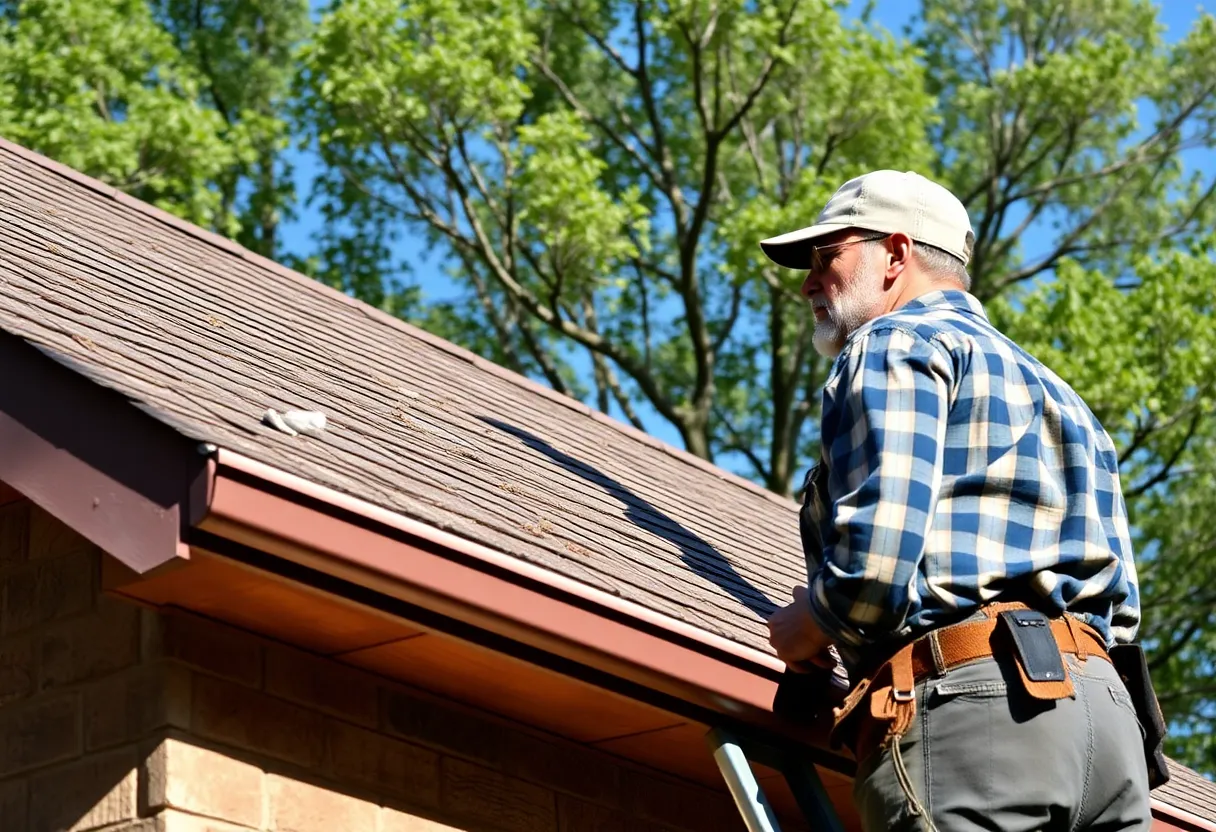
Performing routine inspections can help catch issues early. Every season, check your roof for damage or signs of infestation. Pay special attention to:
- Flashing around chimneys and vents
- Areas where different roofing materials meet
- Overhanging tree branches
Clear Debris
Keep your roof clean. Accumulated debris provides a perfect breeding ground for pests. Use a roof rake or a soft broom to remove:
- Leaves
- Branches
- Other organic material
Ensure that gutters are clear and functioning effectively to prevent water pooling, which attracts pests.
Trim Overhanging Branches
Tree branches that touch your roof can bridge the gap for pests. Regularly trim back any overhanging branches to create a barrier and reduce the likelihood of rodents navigating onto your roof.
Seal Entry Points
Inspect your roof and attic for potential entry points. Seal off areas around pipes, vents, and chimneys with materials like:
- Caulk
- Expanding foam
- Wire mesh
Be sure to check any gaps in your roofing material and repair them to deter pest entry.
Implement Physical Barriers
Building physical barriers can be an effective deterrent. Consider installing:
- Barriers made of metal or plastic in vents to prevent rodent entry
- Mesh screens on chimneys
These barriers help to minimize the risk of pest invasion while allowing proper ventilation.
Natural Deterrents
Utilize natural repellents to discourage pests from invading your roof. Examples include:
- Essential oils: Oils like peppermint or tea tree can repel a variety of pests.
- Citrus peels: Spreading citrus peels around your roof can deter pests due to their strong scent.
Utilizing Pest Control Products
Choosing the Right Products
If natural deterrents aren’t enough, you may need to resort to commercial pest control products. Choose products specifically designed for roof applications. Follow all safety guidelines and instructions precisely.
Selecting Professional Help
If infestations persist, hiring a pest control professional can offer effective solutions. Ensure you choose a licensed and experienced provider. They can identify infestations and provide targeted treatments.
Preventive Maintenance
Establish a maintenance plan to keep your roof in optimal condition. Schedule regular inspections and cleanings, and consider seasonal maintenance to catch potential pest problems at an early stage.
Roofing Material Selection
When it comes to replacing your roof, choose pest-resistant materials. Options such as:
- Metal roofing
- Slate shingles
- Concrete tiles
These materials offer greater durability and a lesser likelihood of attracting pests.
Educating Homeowners
Understand that knowledge is power. Educate yourself on the common pests in your area and their behaviors. Local agricultural extension services or educational resources can provide valuable insights.
The Importance of Prompt Actions
Addressing pest problems quickly can save homeowners significant time and money. Prevention, timely intervention, and maintenance are critical to protecting your roof from pests.
Keep a detailed log of any pest issues you encounter. Tracking when and where issues arise can help in developing strategies tailored to your specific environment.
Conclusion
By implementing these essential DIY strategies, homeowners can significantly reduce the risk of pest infestations. Regular inspections, maintenance, and education are integral elements of safeguarding your roof. Follow these guidelines to maintain the optimal condition of your roof and protect your home from pests.

 Mays Contracting