


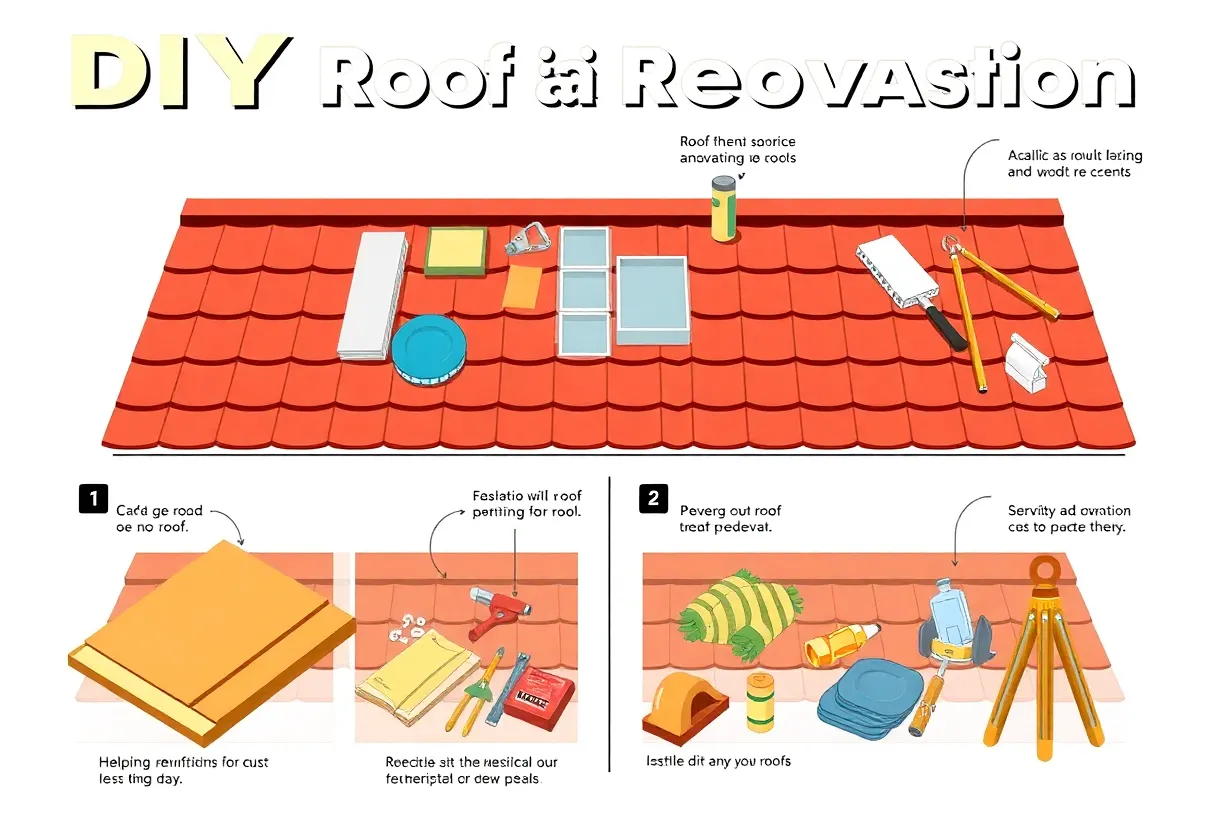
How Can You Successfully Plan Your DIY Roof Renovation for Maximum Impact?
Understanding Your Roof: The First Step
Before embarking on any DIY roof renovation, it’s crucial to assess the current condition of your roof. Start with a thorough inspection to identify damage, wear, or areas of potential concern. Look for missing shingles, leaks, cracks, or signs of water damage. This initial evaluation will guide your renovation decisions and establish whether you can undertake the project yourself or if professional help is necessary.
Setting Clear Objectives
What do you want to achieve with your roof renovation? Identifying specific goals can significantly streamline the planning process. Some common objectives include:
- Enhancing aesthetic appeal
- Improving energy efficiency
- Increasing home value
- Extending the lifespan of the roof
Establishing these objectives early allows you to focus your efforts effectively and make informed decisions throughout the project.
Budgeting: Assessing Costs vs. Benefits
Budgeting is a critical component of any successful renovation project. Start by estimating the costs involved:
- Materials (shingles, insulation, underlayment)
- Tools and equipment
- Permits and inspections
- Labor costs, if hiring professionals
Once you’ve outlined these costs, weigh them against the benefits your renovation will provide. Ensure that the overall expenditure aligns with your financial capabilities and project goals. Always budget a little extra to account for unforeseen expenses.
Choosing the Right Materials
The choice of roofing materials significantly impacts both the aesthetics and efficiency of your renovation. Common options include:
- Asphalt shingles: Affordable and widely available
- Metal roofing: Durable and energy-efficient
- Clay or concrete tiles: Long-lasting and visually appealing
- Wood shakes: Provide a rustic look
Conduct thorough research on the pros and cons of each material. Consider factors such as local climate, durability, maintenance requirements, and overall aesthetic. Selecting the right material sets the foundation for a successful renovation.
Planning the Timeline
Creating a realistic timeline is essential for managing a DIY roof renovation. Factor in the complexity of the project, weather considerations, and your personal schedule. Here’s a general outline to follow:
- Initial inspection and planning: 1 week
- Purchasing materials and permits: 1-2 weeks
- Demo and removal of old materials: 1 week
- Installation of new roofing: 1-3 weeks
- Final inspections and clean-up: 1 week
Adjust the timeline based on your specific needs, but aim to keep it flexible to account for unexpected challenges.
Safety First: Preparing for the Project
Working on a roof poses inherent risks. Prioritize safety by taking the following precautions:
- Wear appropriate safety gear, including helmets, gloves, and non-slip footwear.
- Use sturdy ladders and scaffolding when needed.
- Ensure that the roof is dry before beginning work to prevent slips and falls.
Establish a safety plan and communicate it to anyone assisting you. Awareness and preparation significantly reduce risks during your renovation.
Executing the Renovation: Step-by-Step
1. Preparation
Begin by clearing your roof of any debris, leaves, or other materials that could hinder the renovation process. Ensure that your work area is accessible and organized.
2. Removal of Old Materials
Carefully remove old roofing materials, taking care not to damage the underlying structure. Be mindful of how you dispose of materials to adhere to local regulations.
3. Addressing Structural Issues
Once the old materials are removed, inspect the roof deck for any rot or damage. Repair any structural issues before proceeding to the next steps.
4. Installation of Underlayment
Install a water-resistant underlayment to add an additional layer of protection against moisture. This step is essential to enhance the roof’s longevity.
5. Installing New Roofing
Follow the manufacturer instructions closely when installing the new materials. Pay attention to details and ensure that all components fit properly to prevent leaks.
Post-Installation Review: Monitoring and Maintenance
After completing your renovation, conduct a thorough inspection of your work. Check for flaws, misalignments, or areas that require additional attention. Proper maintenance following installation includes:
- Regular inspections: Check the roof at least twice a year and after major weather events.
- Cleaning gutters and downspouts: Keep these clear to prevent water accumulation.
- Addressing small issues immediately: Fix any leaks or damage as soon as they’re detected.
Ongoing maintenance is vital to maximizing the impact of your roof renovation.
Conclusion: Creating a Lasting Impact
Successfully planning your DIY roof renovation involves careful preparation and execution. By understanding your roof, setting clear goals, budgeting wisely, choosing the right materials, and prioritizing safety, you can achieve stunning results. Remember that post-renovation maintenance is equally important to ensure the longevity and efficiency of your investment. With the right approach, your DIY roof renovation will not only enhance your home’s appearance but also increase its value and comfort. Begin planning today for maximum impact.

 Mays Contracting