

How Can You Successfully Design a Roof That Resists Snow Accumulation?
Roof design is a critical consideration in regions that experience heavy snowfall. As winter approaches, homeowners and builders must ensure that roofs can handle the weight and challenges that snow accumulation presents. An effective roof design not only protects the structure but also enhances durability and safety. In this article, we will explore the essential elements for designing a roof that resists snow accumulation.
Understanding Snow Load
Snow load is the weight of accumulated snow on a roof. This load varies significantly based on geographic location, elevation, and the specific weather conditions of the area. The maximum snow load a roof can support is defined by local building codes, taking into account historical snowfall data. Understanding this load is crucial in the roof design process and directly influences material selection, structural integrity, and overall design choices.
Key Factors in Roof Design
1. Roof Shape
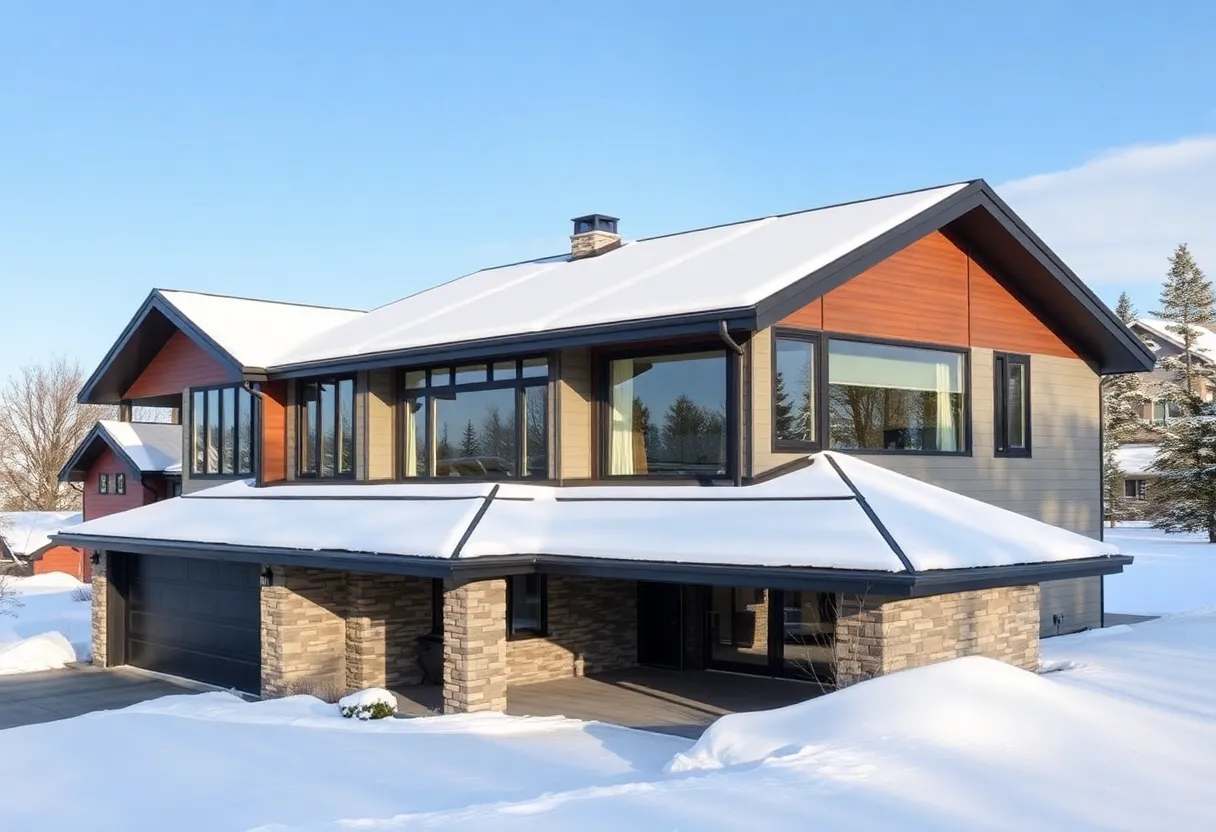
The shape of a roof plays a fundamental role in snow accumulation. Certain designs encourage the prompt shedding of snow, reducing the risk of overload. The primary shapes include:
- Gabled Roof: A peaked structure that allows snow to slide off easily.
- Hip Roof: Slopes on all four sides, promoting snow runoff.
- Flat Roof: While aesthetically pleasing, these roofs often require additional planning to manage snow.
Gabled and hip roofs are preferred in snowy regions as they minimize the risk of snow accumulation due to their steep slopes.
2. Roof Pitch
Roof pitch is a crucial attribute that impacts snow behavior. A steeper pitch (greater than 30 degrees) facilitates easier slide-off of snow. In contrast, a flatter roof (less than 20 degrees) is more prone to snow collection, increasing the risk of structural damage. Architects should consult local building codes to determine the optimal pitch for regional snow loads.
3. Material Selection
Choosing the right roofing material is essential for resisting snow accumulation. Common materials include:
- Metal Roofing: Highly recommended due to its smooth surface, allowing snow to slide off easily.
- Asphalt Shingles: Widely used but can trap snow if not installed correctly.
- Slate or Tile: Beautiful, yet heavy and prone to cracking under weight.
Metal roofing often stands out due to its durability and snow-shedding capabilities. In regions prone to heavy snowfall, this choice can significantly reduce snow-related issues.
4. Proper Insulation and Ventilation
Effective insulation and ventilation systems within the roof structure are vital. Insulation minimizes heat loss from the interior, preventing the formation of ice dams at the eaves. Ice dams occur when melted snow refreezes at the roof’s edge, causing additional pooling and risk of damage.
- Insulation: Use high-quality insulation materials to maintain warmth and minimize heat transfer.
- Ventilation: Incorporate ridge vents and soffit vents for optimal air circulation.
Maintaining consistent temperatures across the roof prevents the damaging effects of ice dams and assists in snow management.
5. Snow Guards and Railing Systems
Utilizing snow guards can effectively manage snow loads on roofs. These installations help retain snow in specific areas, preventing sudden slides that could damage property or injure individuals below. Additionally, railing systems can add an extra layer of safety by containing snow on low-pitch roofs.
Building Regulations and Codes
Building regulations and codes concerning snow load are pivotal. Compliance ensures that the roof can withstand local snow conditions without posing risks to safety. Before any design or construction begins, it is essential to consult local codes regarding:
- Load requirements: Understand the appropriate snow load for the region.
- Material standards: Familiarize yourself with accepted materials for roofing.
- Design specifications: Review guidelines for roof designs that are best suited for your area.
Engaging a qualified structural engineer during the planning phase can minimize design errors and ensure compliance with all regulatory standards.
Maintenance Considerations
Even with a well-designed roof, maintenance is of utmost importance. Regular inspections can identify issues before they escalate. The following maintenance tasks are recommended:
- Clear Snow Accumulation: Safely remove excess snow as necessary, particularly after heavy storms.
- Inspect for Ice Dams: Check eaves and gutter systems for ice buildup and clear blockages.
- Check for Structural Integrity: Periodically inspect the roof for any signs of damage or wear.
Proper maintenance not only extends the life of the roof but also ensures consistent performance against snow accumulation. Establishing a seasonal maintenance routine can mitigate potential snow-related issues.
Conclusion
Designing a roof that resists snow accumulation requires a thoughtful approach that considers shape, pitch, material, insulation, ventilation, and compliance with local codes. By prioritizing these elements and incorporating safeguards such as snow guards and maintenance plans, building professionals can create roofs capable of managing heavy snowfall effectively. Prioritizing these design strategies can lead to safer environments and reduce the risk of snow-related damages over time.
As you embark on your roofing project, remember that the goal is not only aesthetics but also functionality and safety. A well-designed roof is an investment in longevity and protection against the elements.

 Mays Contracting