
How to Choose the Right Roofing Insulation for Energy Efficiency and Comfort
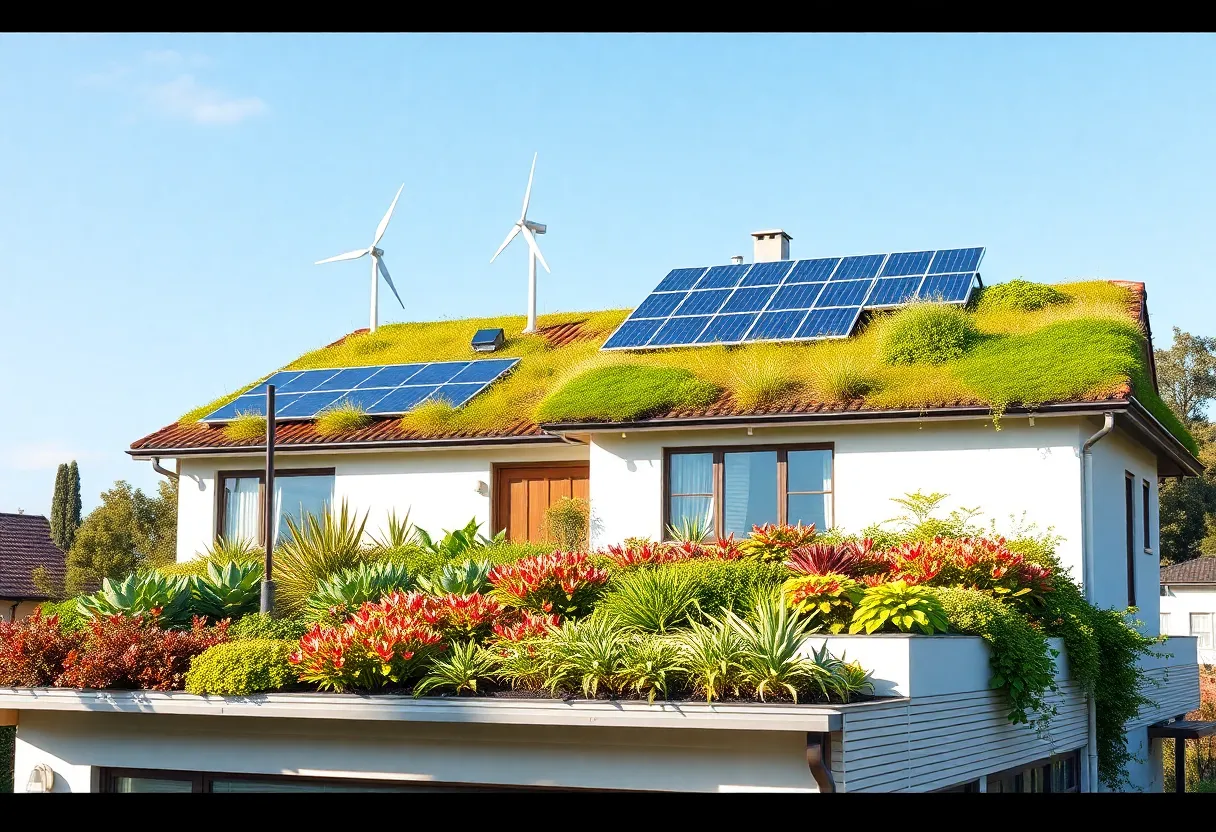
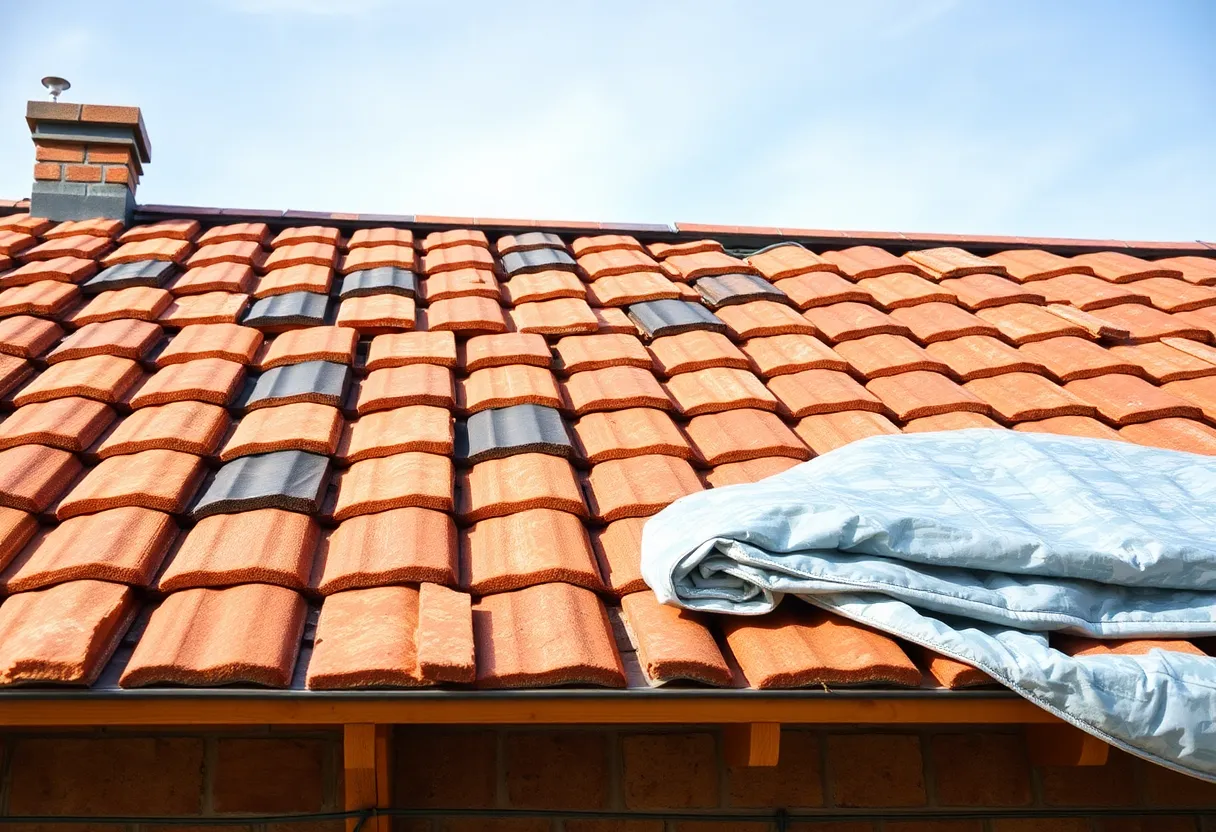
The roof of a home plays a crucial role in its overall energy efficiency and comfort. An essential component of maintaining an effective roof is the choice of roofing insulation. Selecting the right type not only keeps your home comfortable throughout the year but also reduces energy bills. This guide will assist you in understanding how to choose the best roofing insulation tailored to your specific needs.
Understanding Roofing Insulation
Roofing insulation is a material used to reduce the transfer of heat between your roof and the inside of your home. A well-insulated roof helps maintain a consistent indoor temperature, reducing the workload on heating and cooling systems. This leads to enhanced energy efficiency and comfort.
Types of Insulation Materials
Various insulation materials are available, each with unique properties. Understanding these can help you choose the best suited for your needs.
Fiberglass Insulation
Fiberglass insulation is one of the most common types used in homes. It consists of tiny glass fibers that trap air, providing excellent thermal resistance. Its advantages include:
- Cost-effective and widely available
- Good thermal performance
- Resistant to moisture
However, care should be taken during installation, as fiberglass can irritate the skin and lungs.
Foam Board Insulation
Foam board insulation is rigid and can provide high thermal resistance with a thinner profile. It is especially beneficial for insulating roofs and walls. Key points include:
- Effective in preventing thermal bridging
- Lightweight and easy to handle
- Resistant to moisture and mold
However, it can be more expensive compared to fiberglass options and may require additional protection from UV exposure.
Spray Foam Insulation
Spray foam insulation expands upon application, filling gaps and creating a seamless barrier. Benefits encompass:
- Excellent air sealant capabilities
- High R-value per inch
- Reduces energy loss effectively
Potential downsides include higher cost and the need for professional installation due to its complexity.
Cellulose Insulation
Cellulose insulation is made from recycled paper and treated with fire-retardant chemicals. This eco-friendly option offers:
- Good thermal performance
- Environmentally friendly
- Effective in reducing noise transmission
On the flip side, cellulose may settle over time, reducing its effectiveness, and requires a closed cavity for optimal performance.
Factors to Consider When Choosing Insulation
Selecting the right insulation is not just about the material; several factors must be considered:
Climate Zone
Your location significantly influences the type of insulation required. Colder climates necessitate higher R-values for effective heat retention, while warmer climates benefit from materials that reflect heat.
Type of Roof
The roof design (flat or pitched) impacts insulation choices. Flat roofs typically use rigid insulation boards, while pitched roofs can benefit from both batt and spray foam insulation.
Installation Process
The difficulty level of installation can vary greatly depending on the insulation type. For example, spray foam often necessitates a professional installer, whereas fiberglass batt insulation can be a DIY project.
Budget
Your budget is a vital consideration. While you may want to opt for more effective but costly materials like spray foam, ensure the long-term savings on energy bills justify the initial expenditure.
Understanding R-Values
The effectiveness of insulation is measured in R-values, which indicate its resistance to heat flow. Higher R-values correspond to better insulating properties. Here are some guidelines:
- R-30 to R-60 is advisable for attics in colder climates
- R-19 to R-38 is ideal for attics in temperate areas
- R-13 to R-21 is often suitable for walls
Always check local building codes for requirements specific to your region.
Installation Techniques
Proper installation is critical for ensuring that insulation performs effectively. Below are common practices for different types of insulation:
Fiberglass and Cellulose
For fiberglass batts, it’s essential to fit the rolls snugly between rafters, without compression. When using cellulose, impact-resistant techniques and dense packing help improve performance.
Foam Board
Foam board installation generally involves cutting the panels to fit snugly. These boards should be sealed with appropriate tape or caulk to minimize air leaks.
Spray Foam
Because of its complexity, spray foam should ideally be applied by professionals. An experienced technician will ensure a proper application, creating a continuous foam barrier.
Long-Term Maintenance
To maximize the longevity and efficiency of your roofing insulation, periodic inspections are necessary. Look for signs of moisture intrusion, pests, or settling that could diminish effectiveness over time.
Energy Audits
Consider having regular energy audits conducted. Professionals can detect air leaks and assess the performance of your insulation, helping you make informed decisions on necessary upgrades or repairs.
Replacing Insulation
Insulation should be replaced if it is damaged, settled, or less effective than its initial rating. This ensures continued energy efficiency and comfort.
Conclusion
Choosing the right roofing insulation is crucial for energy efficiency and comfort within your home. By understanding the types of insulation, considering key factors, and prioritizing proper installation and maintenance, you can make an educated decision that will pay off in the long run. Remember, investing in quality insulation is essential for a sustainable and comfortable home environment.

 Mays Contracting