


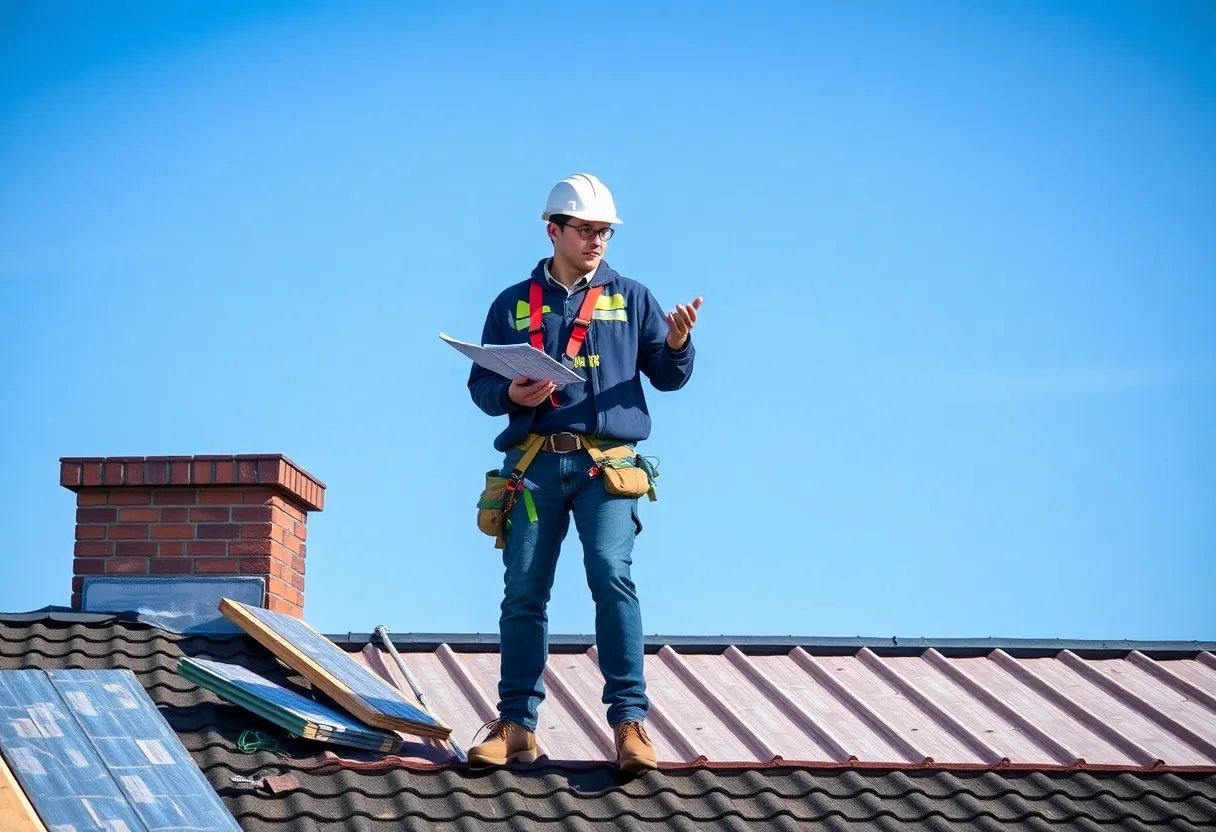
How to Effectively Plan Your DIY Roof Installation: Key Steps to Success
Installing a roof is not merely a task; it is a significant investment in your property. Planning your DIY roof installation meticulously is essential to ensure its success. This article outlines the key steps necessary for an effective plan, ensuring you have the knowledge and tools for a successful roofing project.
Understanding Your Roofing Options
The initial step in planning your DIY roof installation is understanding the various roofing materials available. Each material possesses distinctive features, which will impact durability, aesthetics, and cost.
- Asphalt Shingles: Widely utilized due to affordability and easy installation.
- Metal Roofing: Known for longevity and energy efficiency.
- Tiles: Durable and available in various styles, but can be heavy.
- Slate: Exceptionally robust and aesthetically pleasing but requires professional installation.
Understanding these materials will help you make informed choices tailored to your needs.
Assessing Your Current Roof Structure
Your next task is to closely examine your existing roof structure. This evaluation is crucial for identifying weaknesses that need addressing before the installation begins.
Key areas to inspect include:
- Flashing: Ensure integrity at intersections and edges.
- Decking: Inspect for rot or water damage.
- Support Structure: Confirm that beams and trusses are sound.
Comprehensively documenting the condition of your current roof will aid in planning required repairs and new installations.
Gathering the Necessary Tools and Materials
A successful roofing project depends on adequate preparation, which includes gathering the right tools and materials. Essential tools for DIY roof installation include:
- Safety Gear: This includes gloves, harnesses, and safety goggles.
- Ladders: Ensure you have a sturdy ladder to safely access your roof.
- Nail Guns: These expedite the process and improve accuracy.
- Measuring Tools: A measuring tape should be included to ensure correct sizing.
Additionally, ensure you buy all necessary roofing materials ahead of time, potentially saving costs through bulk purchases.
Creating a Detailed Plan and Timeline
Developing a detailed plan and timeline is vital for your project’s success. This stage entails scheduling your work to avoid overlapping tasks and maximizing efficiency.
Steps to create an effective plan:
- Set a Timeline: Allocate reasonable timeframes for each part of the project.
- Determine Weather Conditions: Consider seasonal weather patterns to select your installation date.
- Develop Work Phases: Clearly delineate the workflow from removing the old roof to the new installation.
Having a structured plan ensures your roofing project proceeds smoothly.
Understanding Local Regulations and Permits
Compliance with local regulations and obtaining necessary permits is critical for a DIY roof installation.
- Check Local Building Codes: Familiarize yourself with the codes governing roof installations in your area.
- Secure Necessary Permits: Obtain permits before the start of any installation work.
Failure to adhere to regulations can result in fines and may affect future insurance claims.
Establishing a Safety Protocol
Safety protocols are paramount during any DIY project, especially when working at heights. Establish a clear safety protocol to protect yourself and your team.
- Use Personal Protective Equipment (PPE): Always wear proper safety gear.
- Secure Work Area: Ensure that the area around the scaffolding is clear of obstacles.
- Establish a Communication Plan: Maintain communication with team members to ensure everyone is aware of ongoing tasks.
Adopting these safety measures greatly reduces the risk of accidents and injuries.
Executing Your Installation Plan
With a clear plan in place, the installation can now be executed. Adhere to your established timeline and phases.
Essential stages of installation include:
- Remove Old Roofing: Carefully strip the old roofing material to expose the decking below.
- Inspect and Repair Decking: Ensure the wooden base is strong and replace any damaged sections.
- Install Underlayment: This acts as an additional barrier against moisture.
- Install New Roofing Material: Follow the manufacturer’s instructions strictly for the installation process.
Staying organized and vigilant during each stage is crucial for a successful outcome.
Quality Assurance and Final Checks
Once the installation is complete, conducting thorough quality assurance checks is indispensable.
- Inspect Seams and Edges: Confirm that all seams are tightly sealed.
- Check Flashing: Verify that flashing is securely installed to prevent leaks.
- Review Aesthetic Alignment: Ensure symmetry and alignment across your newly installed roof.
A final inspection can save future hassles by identifying issues early on.
Maintaining Your New Roof
After the installation, ongoing maintenance is vital to extend the life of your roof. Regular inspections and maintenance will help preserve your investment.
Key maintenance tasks include:
- Regular Inspections: Check for damage and debris at least twice a year.
- Gutter Cleaning: Ensure gutters are free from leaves and blockages.
- Repair Any Damage Promptly: Address any issues immediately to prevent further complications.
Following these maintenance steps ensures your roof remains in optimal condition.
Conclusion
Effectively planning your DIY roof installation involves thorough preparation and execution. By understanding your roofing options, assessing your existing structure, gathering necessary tools, complying with regulations, and adhering to safety protocols, you are setting up for success. Follow your established plan and prioritize maintenance for a roof that protects your home for years to come.

 Mays Contracting