


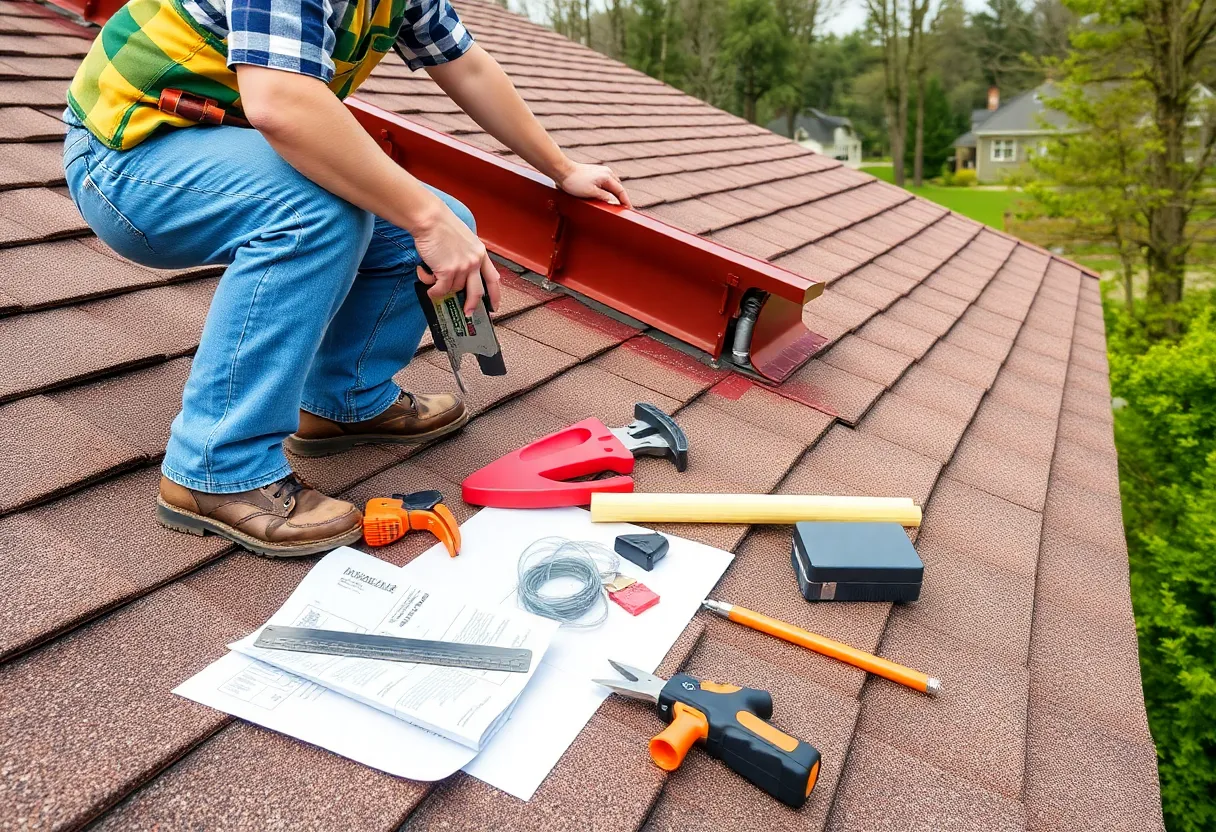
How to DIY Your Roof’s Gutter System: A Complete Guide for Homeowners
Introduction
Your gutter system plays a crucial role in protecting your home from water damage. By directing rainwater away from the roof and foundation, gutters prevent unnecessary wear and potential floods. If you’re a proactive homeowner, installing or upgrading your gutter system can save you money and maintenance in the long run. This guide outlines the essential steps for a successful DIY gutter installation.
Understanding Gutter Systems
Before delving into installation, it’s essential to understand what a gutter system consists of. Standard components include:
- Gutters: Channels that collect and redirect water.
- Downspouts: Pipes that carry water from the gutters to the ground.
- Elbows: Angled components that direct water around roof edges.
- Strainers: Devices that filter debris and prevent clogs.
Types of Gutter Materials
Gutters come in various materials, each with its pros and cons:
- Vinyl: Inexpensive and lightweight but can crack in cold weather.
- Aluminum: Corrosion-resistant, suitable for various climates, and moderately priced.
- Steel: Very durable but prone to rust; requires regular maintenance.
- Copper: Aesthetic appeal and long-lasting but at a higher price point.
Planning Your Gutter Installation
A successful installation begins with a solid plan. Here’s how to approach it:
Assessing Your Home’s Needs
Determine how much rain your area typically receives. Based on this, calculate the necessary gutter size. Standard gutters are about 5 to 6 inches wide, but larger systems may suit areas with heavy rainfall.
Gathering Tools and Materials
Compile a list of required tools and materials:
- Tools: Cordless drill, level, measuring tape, handsaw, and ladder.
- Materials: Gutter sections, downspouts, hangers, elbows, and screws.
Installation Steps
Preparation
Start by measuring the perimeter of your roof. This establishes the total length of gutters needed. Calculate sections to accommodate the downspouts. Install new applications or replace any old sections as required.
Installing the Gutters
Follow these detailed steps for installation:
1. Mark the Slope
It’s imperative to achieve a slope for water flow. A general rule is a drop of 1/4 inch for every 10 feet of gutter. Using a level, mark where gutters will be installed, ensuring you account for this slope.
2. Attach Gutter Hangers
Hangers keep the gutters securely attached. Install them every 24 to 36 inches along the marked line. Ensure that each one is level to maintain the slope.
3. Connect Gutter Sections
Join the gutter sections using connectors, adjusting them as necessary for the angles required by your roof. Secure them with screws where recommended by the manufacturer.
4. Install Downspouts
Attach downspouts to the gutters, aligning them with elbow connections. Secure these firmly using screws. Downspouts should extend at least 3 to 4 feet away from your home’s foundation.
Sealing and Testing
Seal all joints with roofing sealant to prevent leaks. After sealing, carefully inspect your installations and ensure everything is secure and level. Run water through the system to test functionality. Check for proper drainage away from the house.
Maintenance of Your Gutter System
Proper maintenance prolongs the life of your gutter system. Follow these tips:
Regular Cleaning
Remove leaves, twigs, and debris at least twice a year, particularly during spring and fall. Clogged gutters lead to water overflow and potential damage.
Inspect for Damage
Regularly inspect your gutters for rust, dents, or sagging sections. Replace any damaged parts promptly to maintain performance.
Check Seals and Attachment Points
Keep an eye on sealant and screws. Reapply or replace as necessary and ensure all attachment points remain secure to withstand heavy rainfall.
When to Call a Professional
Despite a thorough understanding of DIY installation, certain situations warrant professional assistance:
- Height Challenges: If your home has multiple stories or a steep roof.
- Safety Concerns: If you are not comfortable using ladders or lack necessary equipment.
- Complex Systems: If your roofs have intricate designs requiring specialized installations.
Conclusion
Installing or upgrading your gutter system can significantly affect your home’s maintenance and longevity. By understanding the components, planning effectively, and following installation steps, you can ensure a functional gutter system. Stay on top of maintenance to avoid larger issues down the road. While many homeowner projects can be DIY, always prioritize safety and know when to seek professional help.

 Mays Contracting