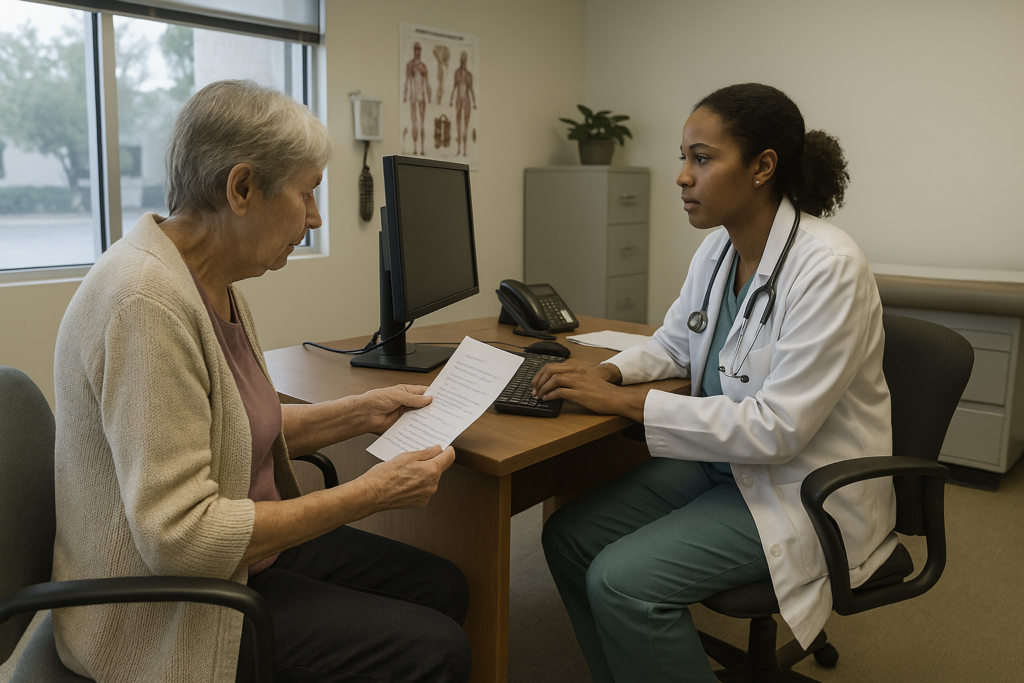
Creating a comprehensive medication list is essential for effective communication during doctor visits. This list should include all prescription drugs, over-the-counter medicines, vitamins, and supplements, along with their respective doses, timing, and reasons for use. By maintaining an updated and detailed medication list, patients can significantly reduce the risk of medication interactions and enhance their overall healthcare experience.
When visiting healthcare providers, it is advisable to bring the same medication list to all appointments, whether it be with primary care physicians, specialists, or urgent care facilities. This consistency helps ensure that all providers are aware of the medications being taken, which is crucial for patient safety. Additionally, having this information readily available can streamline the consultation process and allow for more focused discussions about health concerns.
Patients should update their medication lists after any changes, such as starting or stopping a medication, to ensure that they always have the most accurate information on hand. Keeping a copy of this list in a convenient location, such as on a smartphone or in a wallet, can make it easier to access during appointments.
It’s also important to consult with a pharmacist or clinician before making any changes to medication regimens. This includes stopping medications, combining them, or altering the timing of doses. Such discussions can prevent potential complications and ensure that any adjustments are safe and appropriate.
In Newberry, local healthcare providers emphasize the importance of medication management as part of comprehensive patient care. Newberry County Memorial Hospital, for instance, offers resources for patients to better manage their medications and understand the implications of their treatment plans. Engaging with local pharmacists can also provide additional support in navigating medication lists and understanding prescriptions.
In summary, a well-organized medication list is a vital tool for patients. It not only aids in effective communication with healthcare providers but also plays a significant role in enhancing patient safety. By following these guidelines, individuals can take proactive steps towards better health management during their medical visits.