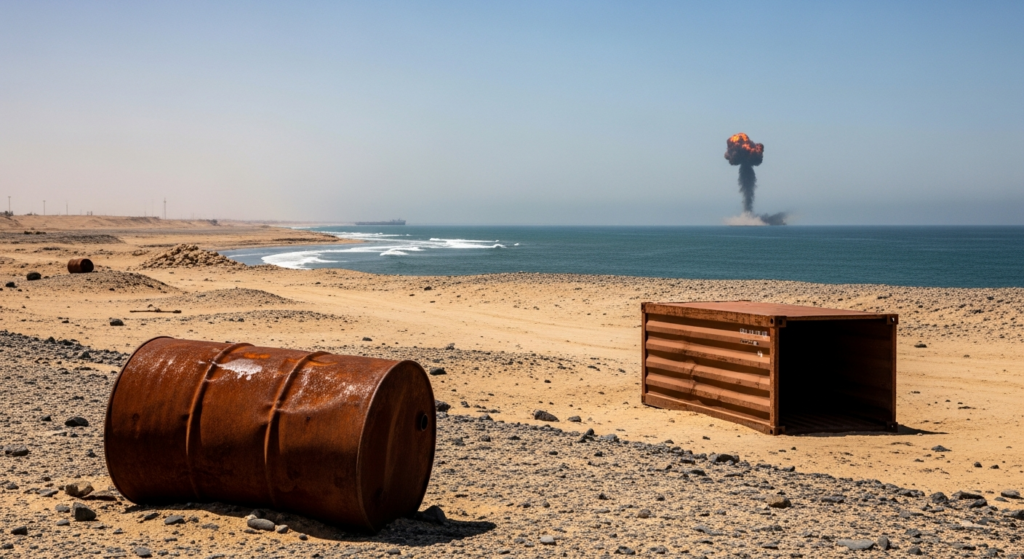
United States military strikes, reportedly in response to attacks on commercial vessels near the Strait of Hormuz, have been accompanied by new oil-related sanctions against Iran, developments that are now being assessed for their potential economic reverberations in communities like Newberry.
International and U.S. reporting has detailed the recent U.S. actions, which follow a period of heightened tensions and shipping risks in the critical waterway. The Strait of Hormuz, a narrow chokepoint for global oil transit, is central to the movement of a significant portion of the world’s petroleum supply. Disruptions or perceived threats in this region often trigger volatility in global energy markets, a phenomenon that can quickly translate into tangible impacts for consumers and industries far removed from the immediate conflict zone.
The imposition of new sanctions targeting Iran’s oil sector further complicates the global energy landscape. These measures aim to restrict Iran’s ability to export oil, potentially tightening global supply and contributing to upward pressure on crude oil prices. For Newberry, a city with a robust manufacturing base and a community reliant on transportation, these global shifts are not abstract; they carry direct implications for daily life and business operations.
One of the most immediate and visible effects for Newberry residents could be at the gas pump. Fluctuations in international oil prices directly influence the cost of gasoline and diesel. As global shipping risks increase and sanctions constrain supply, fuel prices across the state, including along Newberry’s key corridors like US-76 and SC-34, could see upward adjustments. Such increases affect not only individual commuters but also the operational costs for local businesses, from small delivery services to major industrial employers.
The manufacturing sector, a cornerstone of Newberry’s economy, is particularly susceptible to disruptions in global supply chains. Companies such as Kraft Heinz, Samsung Electronics America, Georgia-Pacific, Komatsu America, and Pioneer Frozen Foods operate within complex international networks, sourcing raw materials and components from around the world and shipping finished products to diverse markets. Heightened shipping risks in vital maritime passages like the Strait of Hormuz can lead to delays, increased freight costs, and potential shortages of critical inputs. These challenges can impact production schedules, inventory management, and ultimately, the profitability of these significant employers in Newberry County.
Newberry’s strategic location along the I-26 corridor positions it as a key logistics hub within the Midlands region. The efficient movement of goods via road and rail is essential for the city’s manufacturing and distribution operations. Any global event that elevates shipping costs or introduces uncertainty into international trade routes can have a cascading effect on the logistics sector, potentially increasing the cost of doing business for companies that rely on the I-26 artery for their supply chain needs. This could mean higher prices for consumer goods or increased operational expenses for local industries.
While Newberry does not host a major military installation, many families in the broader South Carolina region have connections to the armed forces. Global military engagements and heightened international tensions can be a source of concern for these families, impacting morale and potentially leading to deployment anxieties. The community of Newberry, like many across the nation, often feels the human dimension of international conflicts through its military-affiliated residents.
The broader economic outlook for Newberry could also be influenced by these developments. Sustained higher energy costs and supply chain disruptions can contribute to inflationary pressures, affecting consumer purchasing power and the overall cost of living. Businesses might face difficult decisions regarding pricing, investment, and employment if global economic uncertainty persists. City and county officials in Newberry will likely monitor these trends closely, understanding that global events can quickly translate into local economic realities.
### Why it matters in Newberry
The unfolding international situation, marked by U.S. strikes and new oil sanctions, holds tangible implications for Newberry’s economic stability and daily life. For major employers like Kraft Heinz and Samsung Electronics America, which anchor the city’s manufacturing sector, disruptions to global supply chains and rising energy costs could directly impact production and operational efficiency. The School District of Newberry County, for instance, could face increased transportation costs for buses, affecting its budget. Furthermore, residents commuting along US-76 and SC-34 will likely observe changes at the fuel pump, directly affecting household budgets. The interconnectedness of global trade means that events thousands of miles away can influence everything from the price of goods on local store shelves to the operational viability of Newberry’s key industries, making the monitoring of these developments crucial for the city’s economic resilience.