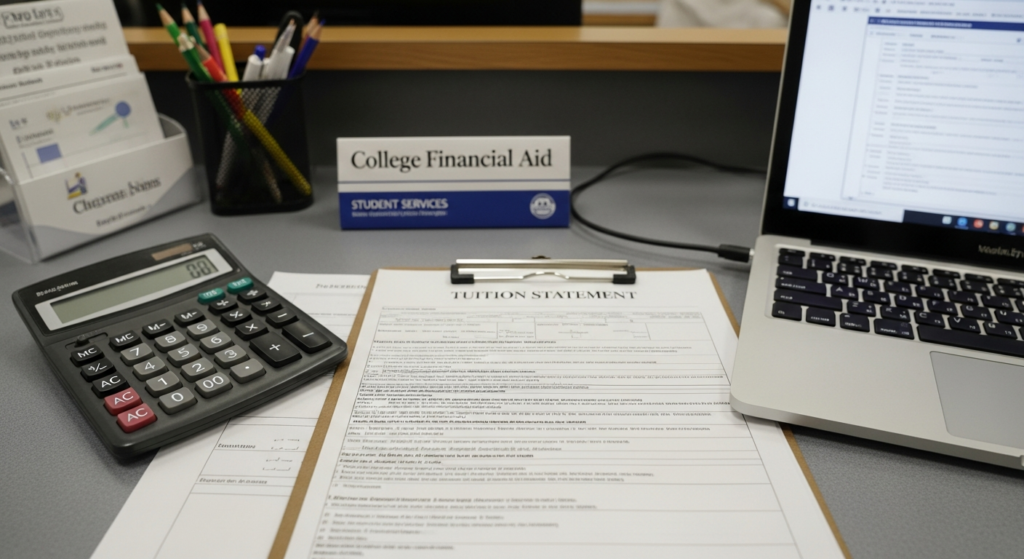
New federal student loan regulations, which include revised borrowing limits for graduate and professional students and altered repayment options, officially took effect on July 2. The changes have presented a significant challenge for financial aid administrators across the country, who are working to implement the new rules with limited lead time.
The adjustments encompass various aspects of federal student aid, affecting how students can borrow and repay their loans. For graduate and professional programs, specific caps on borrowing have been introduced or modified. Additionally, the landscape of repayment plans has seen revisions, potentially altering the financial obligations for thousands of borrowers.
Financial aid offices, the primary point of contact for students navigating federal assistance, have been grappling with the specifics of these changes. The timing of the implementation, just days before the start of a new academic year for many institutions, necessitates swift action to ensure compliance and provide accurate information to students and their families.
In Newberry, Newberry College’s financial aid department is among those adapting to the updated federal guidelines. While the specific local impact will unfold in the coming weeks and months, the institution is tasked with integrating these new regulations into its advising and processing procedures. Students currently enrolled or those planning to attend Newberry College, particularly those pursuing advanced degrees or relying on federal loans, may need to familiarize themselves with the updated terms.
The broader implications extend beyond campus offices. Changes to student loan programs can directly affect household finances for many families in Newberry and the surrounding region. Understanding the new repayment options and borrowing limits is crucial for individuals planning their higher education funding or managing existing loan obligations.
### Why it matters in Newberry
The implementation of new federal student loan regulations holds direct relevance for the Newberry community, primarily through its impact on Newberry College. As a cornerstone educational institution, Newberry College serves a significant number of students who rely on federal financial aid to pursue their degrees. Changes to borrowing limits and repayment plans can directly influence students’ ability to afford tuition and living expenses, potentially affecting enrollment and retention. Furthermore, the financial well-being of students and their families has a ripple effect on the local economy. A stable, educated workforce is vital for major employers in Newberry, such as Kraft Heinz, Samsung Electronics America, and Newberry County Memorial Hospital, all of whom benefit from a robust higher education system. Ensuring students can navigate these financial changes is key to maintaining access to education and supporting the community’s long-term economic health.