With July temperatures often soaring, protecting outdoor plants in Newberry requires strategic planning and consistent care. Garden beds, container plants, and patio greenery face significant stress during prolonged periods of intense heat, often referred to as a heat dome. Implementing specific practices can help mitigate damage and ensure the vitality of local landscapes throughout the summer.
One of the most critical strategies for plant survival during heat waves is deep and infrequent watering. Rather than light, daily sprinkles, which encourage shallow root growth, plants benefit from thorough saturation that penetrates several inches into the soil. This promotes deeper, more resilient root systems better equipped to access moisture during dry spells. The optimal time for watering is in the early morning or late evening, when evaporation rates are lowest, allowing more water to reach the roots before the sun’s intensity increases. For in-ground gardens across Newberry, including those in neighborhoods like Forest Ridge or Canterbury, using soaker hoses or drip irrigation systems can deliver water directly to the root zone slowly and efficiently, minimizing waste and runoff. For container plants, ensure water drains through the bottom, indicating full saturation.
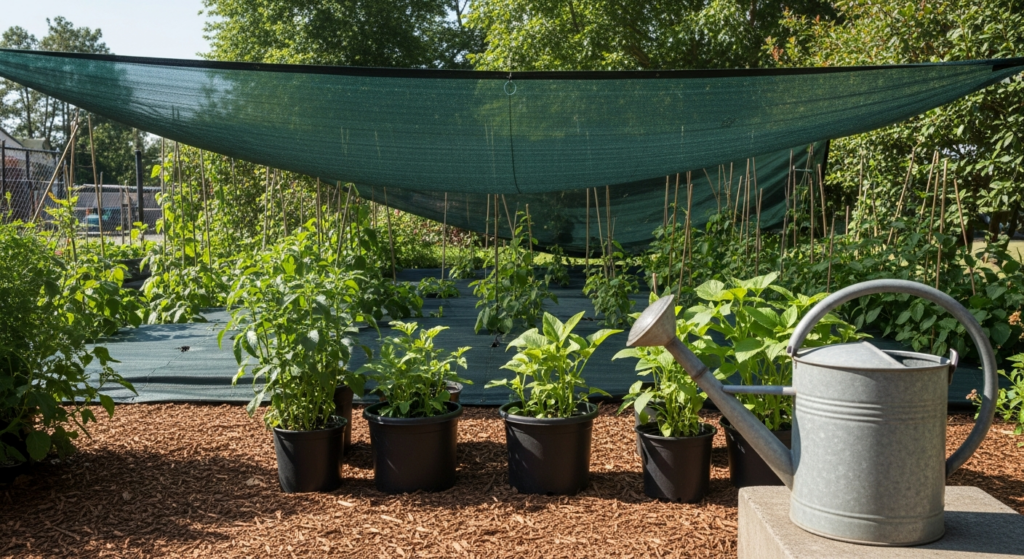
Providing adequate shade is another essential measure. Direct, intense midday sun can scorch leaves, stress plants, and rapidly deplete soil moisture. Temporary shade solutions, such as shade cloths, umbrellas, or even strategically placed patio furniture, can offer crucial relief during the hottest parts of the day. For sensitive plants in containers, the ability to move them to naturally shaded areas—under a tree, against a north-facing wall, or beneath a covered patio—is a significant advantage. Gardeners in areas like College Hill or Grant Williams Estates might find that even a few hours of afternoon shade can make a substantial difference for delicate ornamentals and vegetables like tomatoes and peppers.
Mulching plays a dual role in heat protection by conserving soil moisture and regulating soil temperature. A two-to-four-inch layer of organic mulch, such as wood chips, straw, or compost, around the base of plants acts as an insulating barrier. This layer reduces water evaporation from the soil surface, meaning less frequent watering is needed. It also helps to keep soil temperatures cooler, protecting delicate root systems from overheating. When applying mulch, it is important to leave a small gap around the plant’s stem or trunk to prevent moisture buildup and potential rot. Inorganic mulches like gravel or stones can also be used, particularly in xeriscaping, but these can absorb and radiate heat, potentially raising soil temperatures if not carefully managed.
Container plants, due to their limited soil volume, are particularly vulnerable to heat stress. Their soil dries out much faster than in-ground beds, and their roots are more exposed to ambient temperatures. Beyond moving them to shade, selecting larger pots can provide more soil mass, which retains moisture longer and offers better insulation. Using light-colored pots can also help reflect sunlight and keep roots cooler compared to dark-colored containers that absorb heat. Regular monitoring of soil moisture is critical; a quick check by inserting a finger into the soil can determine if watering is needed.
Finally, personal safety for gardeners is paramount. Avoiding strenuous outdoor work during the peak heat of the day, typically between 10 a.m. and 4 p.m., is advisable. Heat exhaustion and heatstroke are serious risks. Instead, schedule gardening tasks for the cooler morning or evening hours. Staying hydrated by drinking plenty of water, wearing lightweight and light-colored clothing, and taking frequent breaks in the shade are simple yet effective precautions that Newberry residents should observe while tending to their gardens this summer.
### Why it matters in Newberry
For residents across Newberry, from the Bush River Corridor to Prosperity Meadows, maintaining healthy gardens and outdoor spaces contributes to the aesthetic appeal and environmental quality of the community. The School District of Newberry County, for instance, manages grounds and gardens at its various campuses, underscoring the importance of these practices for public spaces. Effective heat management for plants not only saves time and resources for individual homeowners but also helps preserve local biodiversity and green infrastructure. As summer heat becomes a recurring challenge, adopting these strategies ensures that Newberry’s landscapes remain vibrant and resilient, reflecting a commitment to sustainable living and community well-being.