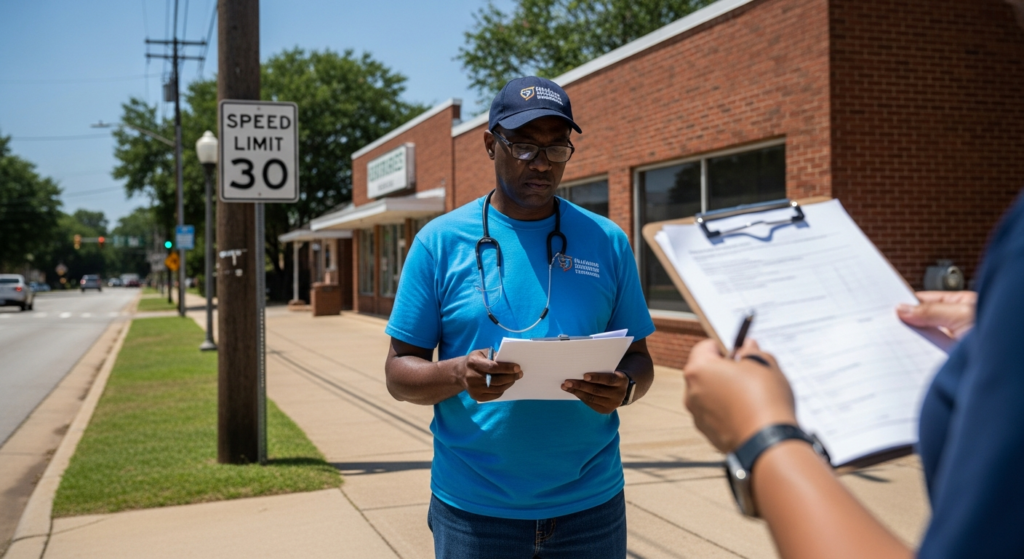
Comprehensive guidance on extreme heat safety is being emphasized for Newberry residents, outlining essential preparations, prevention strategies, and treatment protocols for heat-related illnesses. Extreme heat events, characterized by a series of days significantly hotter than average for a particular time and place, are becoming more frequent, more severe, and longer-lasting. This trend, exacerbated by the ongoing climate crisis, positions extreme heat as a deadly weather phenomenon, responsible for more fatalities annually than any other weather-related event.
Maintaining adequate hydration is a cornerstone of heat illness prevention. Experts advise that an average individual consume approximately three-quarters of a gallon of water daily, though specific needs can fluctuate based on activity level, body size, and environmental conditions. A simple indicator of insufficient fluid intake is dark-yellow urine, signaling a need for increased water consumption. Beverages containing high sugar content, caffeine, or alcohol should be avoided, as they can contribute to dehydration rather than alleviate it. For individuals engaged in strenuous activity or those who experience heavy sweating, merely drinking water may not suffice; combining water with electrolyte-rich snacks or a sports drink is recommended to replenish essential salts and minerals lost through perspiration.
Emergency preparedness is another critical component of heat safety. Households in Newberry are encouraged to assemble both a “Go-Kit” for immediate evacuation and a “Stay-at-Home Kit” for prolonged sheltering. A Go-Kit should contain at least three days of portable supplies, while a Stay-at-Home Kit should include a minimum of two weeks of supplies. Central to these preparations is setting aside at least one gallon of drinking water per person per day. Furthermore, individuals should maintain a one-month supply of essential medications in child-proof containers, and prepare any necessary medical supplies or equipment, along with backup batteries and chargers. Sunscreen, wide-brimmed hats, and lightweight, loose-fitting clothing are also vital. Keeping important records and a medication-and-dosage card readily accessible can prove invaluable during an emergency. Planning for potential disruptions, such as loss of power, gas, water, cell-phone service, and access to medical equipment, is also a key part of comprehensive readiness.
During periods of extreme heat, individuals should not rely solely on electric fans for cooling, particularly when temperatures reach the high 90s, as fans may not effectively prevent heat-related illness under such conditions. Spending several hours daily in air-conditioned environments is highly recommended. This can be achieved by remaining in one’s own home if air conditioning is available and functional, or by seeking out public air-conditioned spaces. Taking a cool shower or bath can also provide significant relief. For Newberry residents, utilizing facilities such as the Newberry County Library or planning visits to local retail centers along the US-76 corridor can offer temporary respite from the heat. It is also prudent to plan transportation routes to a cool location, ensure home air conditioning units are in good working order, and establish a support team of friends or family who can check in on one another. Signing up for local emergency alerts and continuously monitoring local weather and news updates are essential for staying informed. Keeping a backup phone-charging method and a battery-powered radio ensures communication capabilities even during power outages. Understanding emergency terminology is also important: a “WATCH” signifies “Be Prepared!” while a “WARNING” means “Take Action!”
While extreme heat persists, limiting outdoor activity is crucial. Any unavoidable outdoor work or tasks should be scheduled for the cooler parts of the day, typically earlier in the morning or later in the evening. It is imperative to check on friends, family, and neighbors, especially those who are most vulnerable to heat-related illnesses. This includes older adults, infants, children, pregnant women, individuals with pre-existing medical conditions, outdoor workers, and those with limited personal resources. Special attention should also be given to people living in areas that lack sufficient green spaces, as these environments often experience higher ambient temperatures.
Recognizing the signs of heat illness and knowing how to respond can be life-saving. Heat cramps, often the first sign of heat-related distress, are muscle spasms caused by substantial loss of salt and water. Symptoms include heavy sweating accompanied by muscle pain or spasms. If experiencing heat cramps, individuals should move to a cool place and drink water or a sports drink. Immediate medical help is necessary if cramps last longer than one hour or if the affected person has a heart condition.
Heat exhaustion is a more serious condition that may require emergency treatment. It manifests with heavy sweating, cold pale clammy skin, a fast weak pulse, nausea or vomiting, muscle cramps, tiredness or weakness, dizziness, headache, or passing out. The recommended actions include moving to a cool place, loosening tight clothing, and actively cooling the body with wet cloths, misting, fanning, or a cool bath. Sipping water slowly is also advised. Immediate medical attention is required if vomiting occurs, symptoms last longer than one hour or worsen, or if confusion develops.
Heat stroke is a deadly condition that constitutes a medical emergency and demands immediate professional treatment. Warning signs include a body temperature of 104°F or higher, hot red dry or damp skin, a fast strong pulse, headache, dizziness, nausea, confusion, or passing out. The response is to call 911 immediately. While awaiting emergency services, move the person to a cool place and cool the body with wet cloths, misting, fanning, or a cool bath. It is critical not to give the person anything to drink. Following an extreme heat event, maintaining healthy eating habits, ensuring adequate sleep, and utilizing support options like the Disaster Distress Helpline at 1-800-985-5990 can aid in recovery and well-being.
Why it matters in Newberry
The comprehensive guidance on extreme heat safety holds particular significance for Newberry. With major employers like Kraft Heinz and Samsung Electronics America operating facilities that employ a substantial portion of the local workforce, ensuring employee safety during periods of intense summer heat is paramount. Additionally, institutions such as Newberry College, which hosts summer programs and activities, must prioritize the well-being of students and staff. The recommendations underscore the need for proactive measures by individuals and organizations across the city, from families in neighborhoods like Gallman Place to patients served by Newberry County Memorial Hospital, to mitigate the serious health risks associated with extreme temperatures and maintain community resilience.