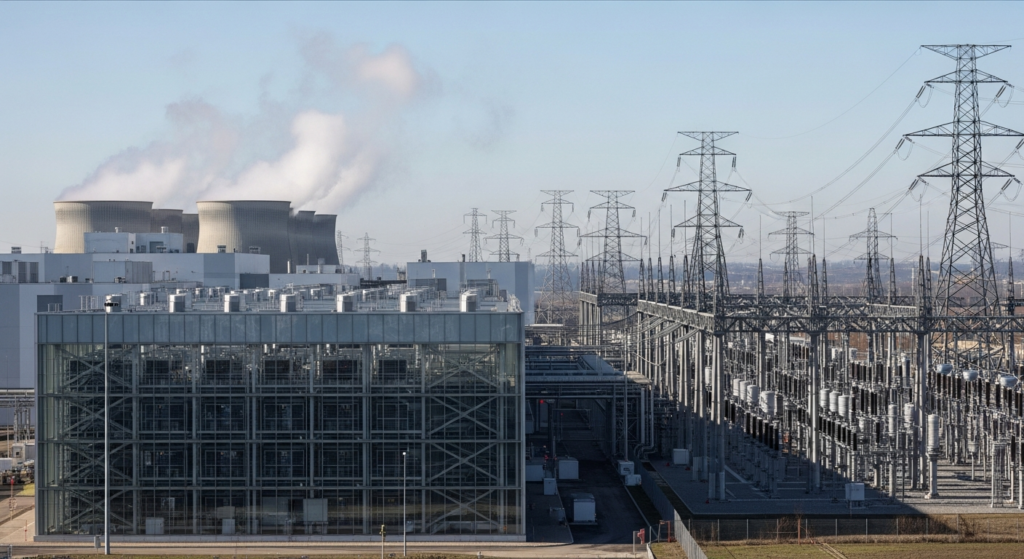
The rapid expansion of artificial intelligence data centers across the United States is creating unprecedented demand for electrical power, a trend that is increasingly influencing site selection for new facilities and challenging existing grid infrastructure. This surge in power consumption is prompting communities like Newberry to re-evaluate their long-term utility planning and economic development approaches.
Technology and energy analysts have consistently linked the growth of AI data centers to a significant uptick in power demand. These facilities, which house vast arrays of servers and cooling systems, require immense and reliable electricity supplies, often consuming as much power as small cities. The implications extend beyond simply generating more electricity; they involve substantial upgrades to transmission and distribution networks, which are complex and costly endeavors.
Business reporting indicates that grid capacity has become a primary determinant in where new data centers are built. Regions with robust, expandable electrical infrastructure and access to affordable power are becoming highly competitive. This dynamic places a spotlight on local utility providers and municipal planning departments, which must balance the potential economic benefits of attracting such facilities with the strain they could place on existing resources and the potential impact on ratepayers.
For Newberry, a city with a strong manufacturing base including major employers like Kraft Heinz, Samsung Electronics America, Georgia-Pacific, and Komatsu America, reliable and stable power is a fundamental requirement for continued industrial operations and growth. Any significant increase in overall power demand or strain on the local grid could have ripple effects on these established industries, which are critical to the region’s economy.
Local officials in Newberry are tasked with navigating these evolving energy demands. Mayor Foster Senn, City Manager Jason Taylor, and members of the Newberry County Council, including Chair Robert Shealy and Vice-Chair Karl Sease, would be central to discussions concerning future infrastructure investments, zoning adjustments, and land-use planning. The city’s strategic location along corridors such as I-26 and US-76 makes it a potential site for various industrial developments, including those with high energy needs.
Considerations for Newberry’s planning bodies would include assessing the current capacity of the local electrical grid, identifying potential areas for expansion or upgrades, and developing policies that ensure sustainable growth. This could involve reviewing zoning ordinances in industrial areas or along key transportation arteries to accommodate facilities that require extensive power infrastructure. The goal would be to attract new investment without compromising the stability or affordability of power for existing businesses and residential customers.
Furthermore, the workforce implications of such developments are also part of the broader discussion. While data centers are not typically high-employment facilities once operational, their construction phases can create temporary job opportunities. The presence of Newberry College could also play a role in developing skilled labor for the technology and infrastructure sectors, should such industries expand in the area.
As the national conversation around AI data center power consumption intensifies, Newberry’s proactive engagement in infrastructure assessment and strategic planning will be crucial. The city’s ability to adapt its utility and land-use frameworks will determine how it participates in and benefits from the broader technological and economic shifts driven by artificial intelligence.
### Why it matters in Newberry
The escalating power demands of AI data centers directly impact Newberry by shaping future economic development opportunities and placing new considerations on the city’s critical infrastructure. For major employers such as Newberry County Memorial Hospital, which relies on an uninterrupted power supply for patient care, or manufacturers like Samsung Electronics America, where stable electricity is essential for production, the reliability of the local grid is paramount. Proactive planning by the City of Newberry and Newberry County Council is necessary to ensure that the region can support both existing industries and potential new high-tech investments without compromising power stability or increasing costs for residents and businesses. This national trend underscores the importance of local utility and land-use strategies for Newberry’s long-term prosperity and operational resilience.