A July heat dome presents significant challenges for outdoor plants, garden beds, and container arrangements across Newberry. With temperatures expected to climb, proactive measures are essential to mitigate stress on vegetation and preserve the vitality of home landscapes. Experts advise a multi-pronged approach focusing on hydration, protection from direct sun, and strategic timing of garden maintenance.
One of the most critical strategies for plant survival during intense heat is deep and infrequent watering. Rather than light, daily sprinkles, which encourage shallow root growth, gardeners should aim to saturate the soil thoroughly. This allows water to penetrate deeper, encouraging roots to grow further down where the soil remains cooler and retains moisture longer. Watering in the early morning hours, before the sun’s intensity increases, is generally recommended. This timing minimizes evaporation and allows plants to absorb water before the day’s heat begins to stress them. Evening watering can also be effective, though it may leave foliage wet overnight, potentially increasing the risk of fungal diseases in some plant varieties. The goal is to ensure the root zone receives ample moisture to sustain the plant through the hottest parts of the day.
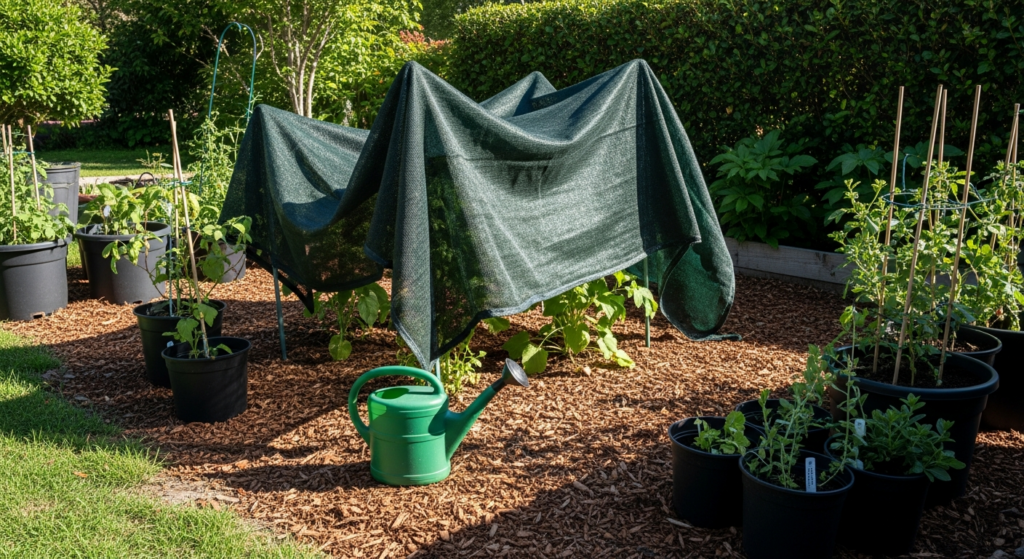
Providing adequate shade is another crucial defense against the scorching summer sun. For garden beds, temporary shade structures can be erected using shade cloth, old sheets, or even umbrellas. These barriers can reduce direct sun exposure during the peak heat hours, typically from late morning through late afternoon. Positioning these structures to cast shadows over sensitive plants, especially those known to be less heat-tolerant or newly planted, can prevent leaf scorch and wilting. For container plants, which are particularly vulnerable to heat due to their limited soil volume and exposure to ambient temperatures, moving them to naturally shaded areas like under a tree, on a covered patio, or into a garage during the hottest days can make a substantial difference. The ability to relocate containers offers a flexible solution for protecting valuable plants from extreme conditions.
Mulching plays a vital role in conserving soil moisture and regulating soil temperature. A layer of organic mulch, such as wood chips, straw, or shredded leaves, applied around the base of plants in garden beds and containers, acts as an insulating barrier. This layer helps to reduce water evaporation from the soil surface, meaning less frequent watering is needed. It also keeps the soil cooler by shielding it from direct sunlight, protecting delicate root systems from overheating. A two-to-four-inch layer is often recommended, ensuring it does not touch the plant stems directly to prevent rot. Beyond its protective qualities, mulch can also suppress weed growth, further reducing competition for water and nutrients.
For container plants, material choice and placement are key considerations. Dark-colored pots absorb more heat, transferring it directly to the root ball, which can quickly overheat and damage plants. Lighter-colored pots, or those made from materials like terracotta (which allows for some evaporative cooling), can be more forgiving. Elevating pots slightly off hot patio surfaces can also improve air circulation and prevent the bottom of the pot from absorbing excessive heat. Grouping containers together can create a microclimate, where plants shade each other and collectively reduce moisture loss, although adequate spacing for air flow is still important to prevent disease.
Finally, adjusting the timing of outdoor work is essential for both plant and gardener well-being. Avoiding strenuous gardening tasks during the midday heat, typically between 10 a.m. and 4 p.m., is advisable. This not only protects the gardener from heat exhaustion but also minimizes additional stress on plants. Pruning, planting, or repotting during extreme heat can shock plants, making them more susceptible to damage. If work must be done, focusing on early morning or late evening hours when temperatures are lower is preferable. This approach allows plants to recover more easily and conserves energy for growth rather than heat stress response.
### Why it matters in Newberry
The sustained health of gardens and outdoor spaces contributes to the aesthetic and environmental quality of neighborhoods across Newberry. From the established landscapes of College Hill to the newer developments in Forest Ridge, residents invest time and resources into their green spaces. Protecting these investments during periods of intense summer heat helps maintain property values and supports the local ecosystem. The City of Newberry’s commitment to urban forestry and green infrastructure, evident in its public parks like Lynch’s Woods Park and Dr. Julian E. Grant Park, underscores the broader community value placed on healthy vegetation. By adopting these protective measures, individual homeowners contribute to the collective resilience and beauty of Newberry’s residential and public areas, ensuring that the city’s green character endures through challenging summer conditions.