Outdoor home planning in Newberry is increasingly focused on mitigating the effects of sustained high temperatures, a trend identified by national outlets like Good Housekeeping and AccuWeather. With July’s heat often peaking, local residents are adapting their gardening practices to ensure the survival and health of their plants.
One of the most critical measures for garden beds and containers is deep watering. Instead of frequent, shallow watering, which encourages roots to stay near the surface where moisture evaporates quickly, a deep soak allows water to penetrate further into the soil. This encourages roots to grow deeper, making plants more resilient to dry periods and intense sun. For established garden beds in areas like the Forest Ridge or Canterbury neighborhoods, this might mean watering for a longer duration less frequently, perhaps early in the morning or late in the evening to minimize evaporation.
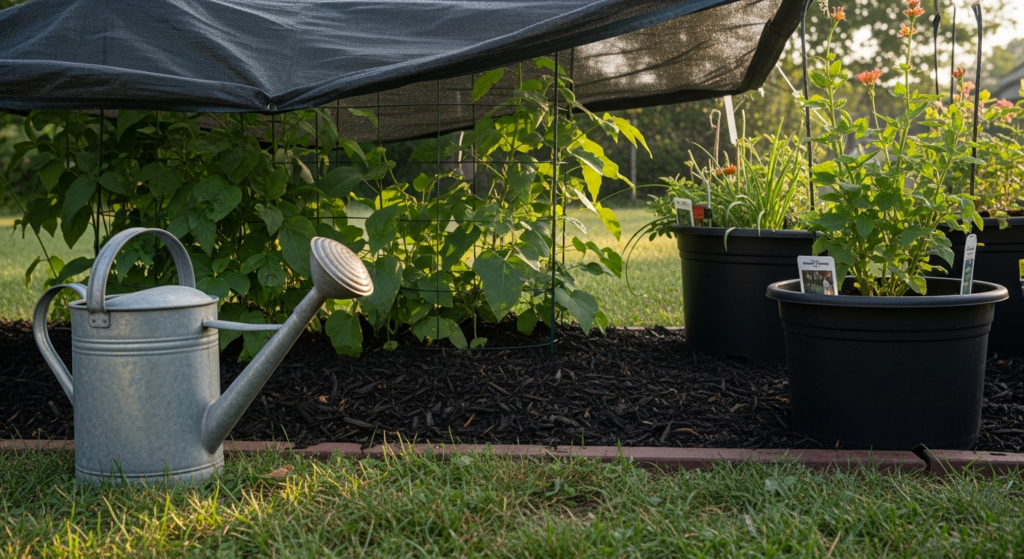
Strategic use of shade and mulch also plays a significant role in plant protection. Mulch, applied around the base of plants, helps to retain soil moisture, regulate soil temperature, and suppress weeds that compete for water. Organic mulches such as straw, wood chips, or shredded leaves can be particularly effective. For plants in direct, all-day sun, temporary shade solutions, such as shade cloths or even strategically placed umbrellas, can provide crucial relief during the hottest parts of the day. This is especially relevant for delicate ornamentals or vegetable gardens in open areas across Newberry County.
Container plants, common on patios and porches throughout Newberry, offer the advantage of mobility. During periods of extreme heat, moving potted plants to shadier locations, such as under a covered porch, an awning, or even indoors for a few hours, can prevent wilting and heat stress. If moving is not feasible, grouping containers together can create a microclimate that reduces overall heat exposure and moisture loss. The materials of the containers themselves can also impact heat absorption; lighter-colored pots reflect more sunlight than dark ones.
Finally, avoiding midday outdoor work is a practical recommendation for both gardeners and their plants. The intense sun and heat between 10 a.m. and 4 p.m. can be detrimental to plant health and pose risks to individuals. Performing gardening tasks, including watering, weeding, and pruning, during the cooler morning or late evening hours reduces stress on plants and minimizes personal exposure to the heat.
### Why it matters in Newberry
The effective management of gardens and outdoor spaces during periods of high summer heat directly impacts the quality of life and aesthetic appeal across Newberry. Institutions like Newberry College, with its expansive campus grounds and numerous landscaped areas, regularly implement these very strategies to maintain its green spaces. For individual homeowners in neighborhoods such as College Hill or Grant Williams Estates, adopting these practices can mean the difference between a thriving garden and one struggling against the elements, contributing to the overall beauty and environmental resilience of the city. The collective effort to conserve water and protect plant life supports the broader ecological health of the Saluda River watershed, which is vital to the region.