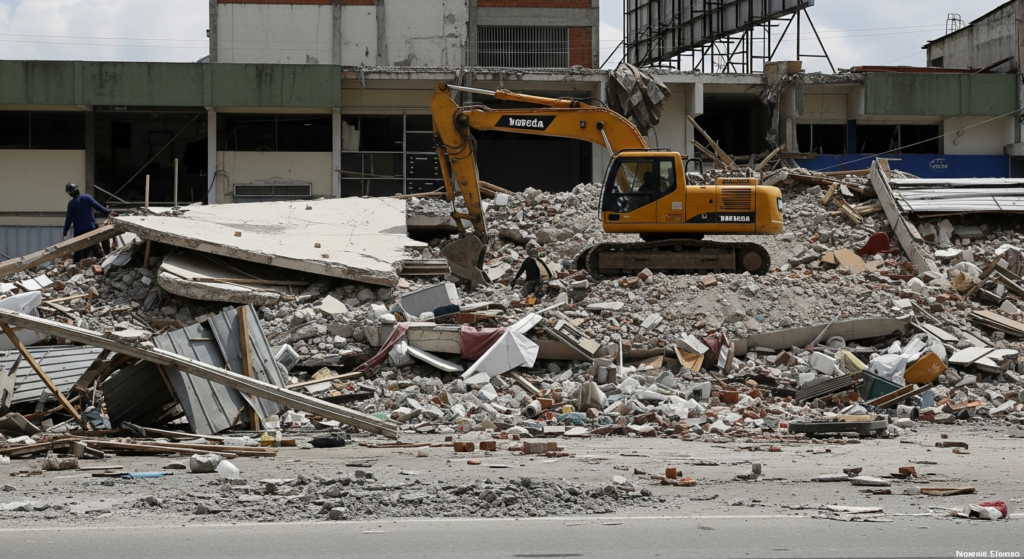
Powerful back-to-back earthquakes have struck Venezuela, prompting an immediate shift in focus from rescue efforts to the protracted humanitarian recovery. Initial response operations have largely concluded, leaving behind a landscape grappling with the aftermath and the burgeoning needs of a population facing a long road to rebuilding.
Relatives have been actively searching for individuals lost in the seismic events, with particular concern for those believed to be trapped in collapsed structures, including a hotel. The scale of the disaster necessitates a comprehensive approach to humanitarian aid, addressing immediate needs such as shelter, food, and medical care, while also planning for the extensive reconstruction and recovery efforts required in the coming months and years.
The transition from immediate rescue to long-term recovery marks a critical phase in disaster management. International aid organizations and national response agencies are now assessing the full scope of the damage and coordinating efforts to provide sustained support to affected communities. This phase is often characterized by complex logistical challenges and the need for significant financial and material resources to address the widespread impact of the earthquakes.
The humanitarian crisis unfolding in Venezuela underscores the devastating consequences of major seismic activity and the importance of robust disaster preparedness and response mechanisms. The focus on long-term recovery highlights the enduring challenges faced by populations in the wake of such catastrophic events, requiring sustained international cooperation and commitment to facilitate a comprehensive rebuilding process.